What Financial Rock Bottom Really Looks Like In 2025
In 2025, the phrase “financial rock bottom” hits harder and closer to home than ever. With inflation surges, digital currency instability, and job market automation redefining livelihoods, many Americans are discovering how fragile the illusion of financial security truly is. Rock bottom isn’t just about being broke, it’s about losing safety nets, stability, and a sense of control.
Credit Cards as a Lifeline, not a Luxury
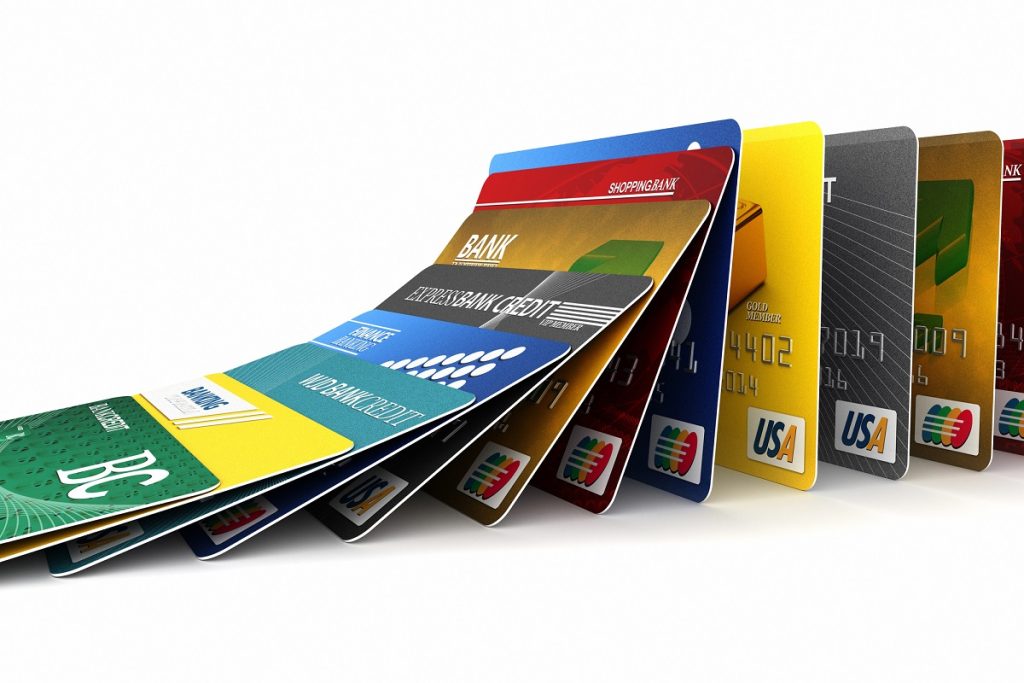
In 2025, many are not using credit for indulgences, they’re relying on it just to survive. Grocery bills, medical copays, and even utility payments are being floated on high-interest credit cards. The average American carries over $10,000 in credit card debt, and minimum payments barely keep the interest from swallowing them whole. This isn’t irresponsible spending, it’s survival spending.
Gig Work Replacing Full-Time Security

The dream of stable employment has crumbled into a string of unstable gigs. Drivers, delivery workers, freelance everything, 2025’s job market is a patchwork hustle. There’s no health insurance, no sick days, and certainly no retirement plans. Workers burn out faster than ever, often juggling three to four side hustles to stay above water.
Related: 13 Reasons Why People Are Maxing Out Credit Cards Just To Survive
Living in Cars, not Apartments

Forget downsizing, many are now downsleeping. Families and young professionals are converting their cars into mobile bedrooms as rent prices spike beyond reach. Major cities see rows of vehicles parked overnight with foggy windows and blackout curtains. For some, car living started as a stopgap; for others, it’s become their permanent “address.”
Related: 12 Reasons Why Side Hustles Are No Longer Enough To Get Ahead
Declining Health Due to Skipped Care

When the budget breaks, healthcare is often the first thing to go. In 2025, a huge number of Americans are skipping necessary doctor visits, dental cleanings, and mental health appointments. Prescription refills get cut in half, and emergency room visits are delayed until the pain is unbearable.
Related: 12 Reasons Why Americans Are Working More And Earning Less
Multiple Jobs, Still no Savings

Working two or three jobs used to be a way to save up for something better. Now, it’s just a way to not fall behind. Many Americans in 2025 are clocking 60 to 80-hour work weeks and still living paycheck to paycheck. Rent eats half their income, and any unexpected bill, like a car repair or medical emergency, sends them spiraling.
Related: The Quiet Financial Crisis Hitting Millennials in Their Forties
Tired of money feeling messy? Get clear, simple tips for managing your family’s finances, straight to your inbox. Sign Up Here
Evictions with no Safety Net
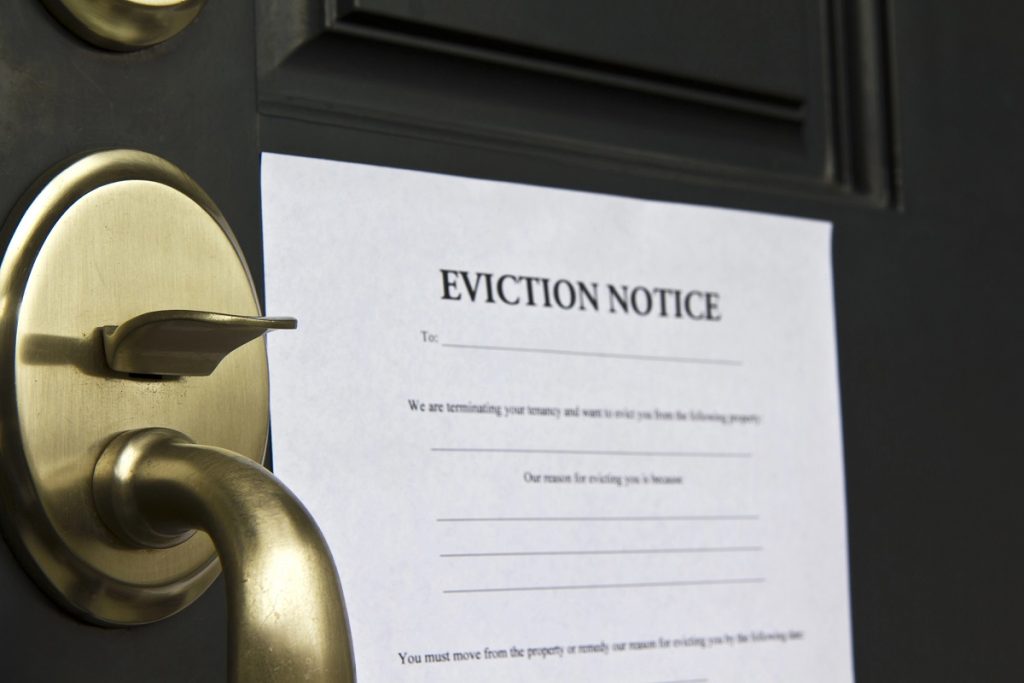
Eviction used to be a legal process with some degree of protection. Now, it’s swift, ruthless, and often irreversible. With housing aid programs underfunded and shelters overflowing, being evicted in 2025 often means homelessness. Families are being displaced with little warning, their belongings piled on curbs or dumped into storage they can’t afford.
Related: 13 Reasons Why Some People Need To Feel Their Money To Actually Save It
Payday Loans: The Modern Trapdoor
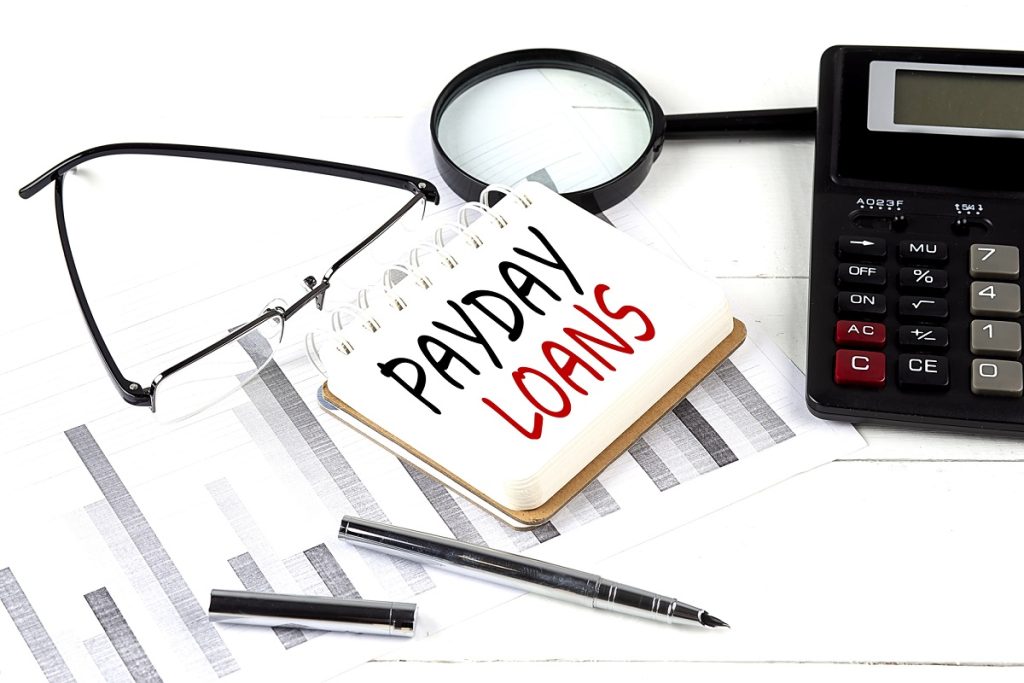
Payday loans were once a last resort. In 2025, they’re a revolving door of debt. With interest rates nearing 400%, these predatory lifelines trap the desperate in cycles they can’t escape. Borrow $300, owe $500 two weeks later, and repeat. The fine print is irrelevant when groceries or rent hang in the balance. Many fall into the trap, using one loan to pay off another.
Debt Collectors Becoming Daily Anxiety

The buzzing phone used to mean a friend or coworker. Now, it means a collector demanding money you don’t have. In 2025, aggressive debt collection tactics include daily texts, emails, and threats to garnish wages or sue. People dread checking their phones or mailboxes. Mental health suffers immensely, with anxiety attacks triggered by ringing phones.
Related: 12 Reasons Why Gen Z May Never Own Homes Like Their Parents Did
Choosing Between Utilities and Food
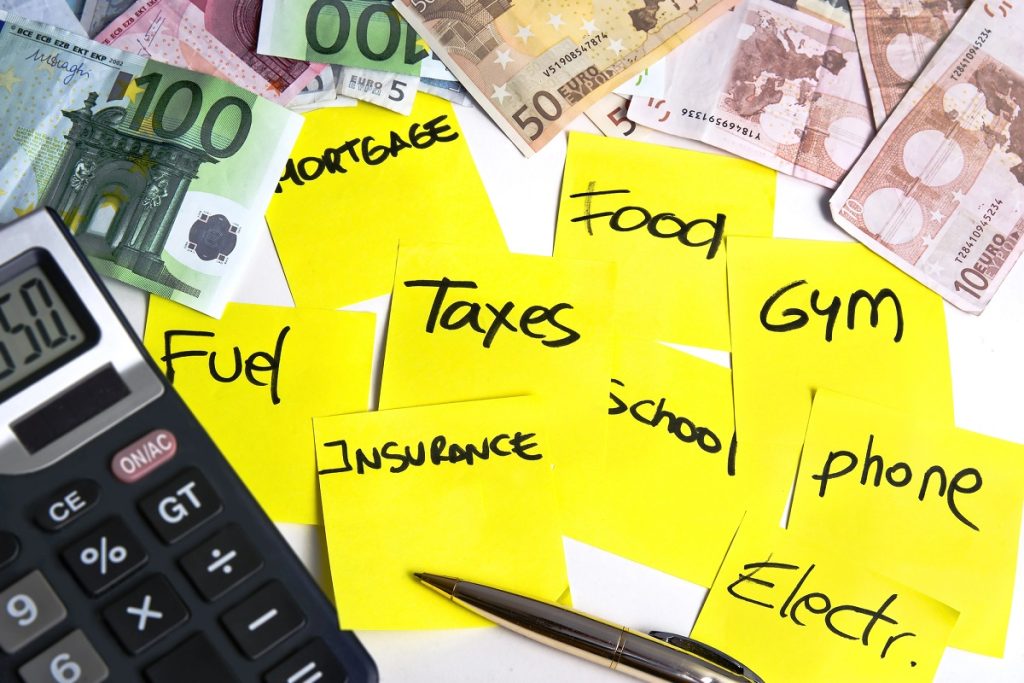
Which bill do you pay this month: electricity or groceries? Water or gas? In 2025, this impossible decision is a daily reality for millions. Parents skip meals so kids can eat. Showers get spaced out to save hot water. Heat is turned off to stretch a power bill. This isn’t financial mismanagement, it’s the new math of poverty. Choices aren’t just hard; they’re inhumane.
Related: How Budgeting Changed When I Switched To The Envelope Method
Online Begging, not Fundraising

GoFundMe has transformed from a medical fundraiser into a survival campaign central. People post about needing rent money, gas to get to work, or shoes for their kids. In 2025, online begging has lost its stigma, not because it’s accepted, but because it’s necessary. Even employed individuals are crowdfunding for groceries.
Want budgeting tips that actually work with a toddler on your hip? This is for you.
Parents Unable to Provide Basics

For many, the most painful part of financial collapse is failing their children. In 2025, thousands of parents can’t afford school supplies, birthday gifts, or lunch money. They lie awake wondering if their kids feel ashamed or hungry. The guilt is soul-crushing. The inability to say “yes” to simple requests, like ice cream after school or a field trip, becomes a wound that never closes.
Related: The New War On Anonymity At Checkout You Never Heard About
Retirement Funds Being Cashed Out Early

Retirement? That’s a luxury word in 2025. More Americans than ever are draining their 401ks and IRAs just to survive today. With penalties and taxes, they lose thousands in the process, but it’s better than being homeless or hungry. Long-term planning has vanished. Financial rock bottom erases future dreams because the present demands everything.
Related: 12 Unexpected Ways Digital Payment Fatigue Is Changing How We Spend
Financial rock bottom in 2025 isn’t just a moment, it’s a slow, grinding descent that thousands are experiencing in silence. It wears the face of hard-working families, recent graduates, and even retirees. It’s not a rare condition, it’s a growing epidemic. But understanding these layers isn’t just about sympathy, it’s about policy, empathy, and awareness.
Disclaimer: This list is solely the author’s opinion based on research and publicly available information.
Cash Or Card? The Psychology That Shapes How We Spend

We live in a world where spending takes just a second: tap, swipe, done. But behind every transaction lies a quiet psychological force steering our decisions. Cash makes us pause, feel, and consider; cards make us bold, detached, and fast. Behavioral economists and neuroscientists agree: how we pay changes how much we pay, and even how we feel afterward.
Read it here: Cash Or Card? The Psychology That Shapes How We Spend
Why Frictionless Payments Are Secretly Making Us All Broke

The convenience of frictionless payments seems like a dream in a world where your phone can buy your coffee before you even reach the counter. No swiping, no PINs, just tap and go bliss. But that ease might come at a hidden cost, your financial well being. From one click shopping to facial recognition at checkout, modern payment systems are removing barriers between desire and purchase.
Read it here: Why Frictionless Payments Are Secretly Making Us All Broke
The Financial Habits That Are Ruining Your Relationships

Money might not buy love, but it can break it. While fights over finances are common, it’s often the subtle habits, the unspoken credit card swipe, the hidden debt, or the mismatched goals that slowly corrode trust and connection. Relationships thrive on openness, and when money becomes a weapon, a secret, or a wedge, things fall apart fast. These financial habits aren’t just poor planning, they’re silent relationship killers.
Read it here: The Financial Habits That Are Ruining Your Relationships
You’ll love these related posts:


