Cash Or Card? The Psychology That Shapes How We Spend
We live in a world where spending takes just a second: tap, swipe, done. But behind every transaction lies a quiet psychological force steering our decisions. Cash makes us pause, feel, and consider; cards make us bold, detached, and fast. Behavioral economists and neuroscientists agree: how we pay changes how much we pay, and even how we feel afterward.
The Pain of Paying Hits Harder With Cash

When we hand over physical cash, the brain registers it as a loss, literally. Neuroimaging studies show a spike in activity in pain-related brain areas when people spend money versus cards. That discomfort can slow down decision making and reduce impulse buys. Paying with cash isn’t just about control, it’s about emotional self-defense.
Cards Create Psychological Distance From Spending

Cards turn money into an abstraction. We don’t see the bills leaving our hands, so our brains treat the act of spending as less significant. This distance makes it easier to spend more, more often, especially on luxuries. Swiping feels smooth, but the damage adds up silently. It’s spending without the sting, and that’s exactly why it’s risky.
Related: What Your Crypto Portfolio Might Secretly Say About Your Finances
Rewards Systems Can Hijack Logic

Credit card perks, points, miles, cashback, trick the brain into believing we’re saving money when we spend. This creates a “justified indulgence” loop, where the reward becomes more exciting than the purchase itself. We chase points more than we chase actual needs. The brain loves gamification, even if the game drains your wallet.
Related: How Gen Z Is Turning TikTok Into A Crash Course On Investing
Cash Sparks More Mindful Spending
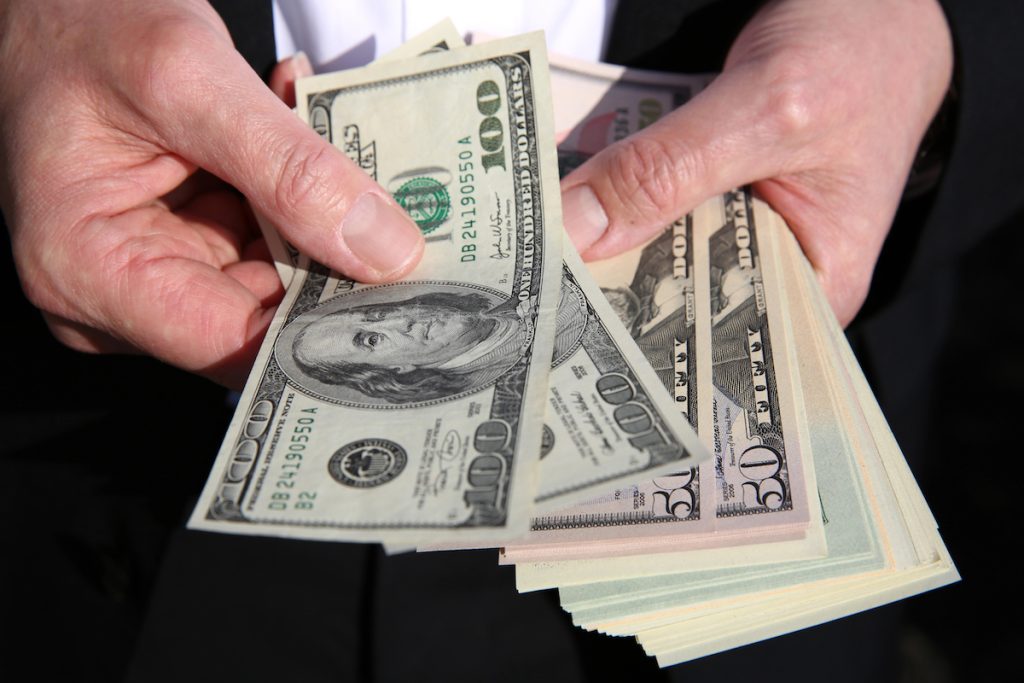
Using cash forces a countdown in your mind; you see the stack shrink with each transaction. This increases self awareness and leads to more deliberate choices, especially with budgeting or grocery shopping. It’s hard to ignore money when you can physically watch it disappear. Cash creates a natural spending limit that our minds respect.
Related: 12 Ways No-Spend Challenges Are Backfiring
Cards Lower the Emotional Barrier to Splurging

Want that $300 jacket? Paying in cash may hurt, but using a card, especially with installment plans, dulls the sting. The absence of immediate financial consequences makes us bolder with big purchases. We’re more impulsive when the consequences are delayed and cards are experts at postponing pain.
Related: The Money Methods That Are Helping People Save Again.
Tired of money feeling messy? Get clear, simple tips for managing your family’s finances, straight to your inbox. Sign Up Here
Denomination Bias Affects Cash Use
People are less likely to spend large bills $50s, $100s, even when they have them, known as the “denomination effect.” Cards, however, make $5 and $500 feel the same at purchase. A hundred in cash feels like treasure; on a card, it feels like points. That’s why you might splurge online but clutch your $20 bill all day.
Related: 12 Things That Happen When You Spend Like You Are Already Rich
Digital Payments Numb Spending Sensitivity

Apps like Apple Pay and Google Wallet make spending seamless. But the lack of friction means your brain doesn’t have a moment to reflect. You just tap and go, with barely a memory of the transaction. Friction slows us down; frictionless fuels forgetfulness. It’s easier to overspend when it doesn’t feel like spending
Cash Enhances Emotional Connection to Money

When we hold cash, we value it more. It represents earned effort, not just stored currency. That tactile sensation creates an emotional anchor, making us less likely to waste it. Cash feels like effort, cards feel like access. And effort makes us think twice before parting with it.
Related: The Real Number Millennials Are Dropping On Subscriptions
Card Users Are More Prone to “Add-On” Purchases

Studies show that card users are more likely to say yes to add-ons, upsells, or upgrades. It’s tied to the sense of financial detachment, once you’re already swiping, what’s another $10? The initial swipe opens the floodgates. Cash limits not just the spend, but the spiraling temptation.
Related: 12 Shocking New Ways Gen Z Is Building Savings
Physical Limits Reinforce Budgeting Habits

Cash is finite. Once it’s gone, it’s gone, forcing natural discipline. Cards offer extensions, credit, and overdraft “safety nets” that stretch our limits and anxiety. Limits feel clearer and safer when they’re visible. Cash doesn’t lie. Cards quietly bend the rules until they break.
Want budgeting tips that actually work with a toddler on your hip? This is for you.
Contactless Spending Encourages Passive Behavior

Tap to pay features eliminate steps like entering PINs or signing receipts. That speed makes spending passive and automatic, eroding the active choice in financial decisions. It’s like flipping a light switch, fast, thoughtless, and too easy. With cash, every transaction is a conversation; with cards, it’s a blur.
Related: What The Top 1 Percent Are Doing With Their Savings This Year
Emotional Purchases Favor Cards

Feeling down? You’re more likely to use a card. That’s because cards let you disconnect from the reality of spending and focus on the emotional payoff, new clothes, comfort food, or a mini escape. Cards act like emotional blindfolds during mood-based purchases. They let you feel good now, and regret later.
Related: 12 Reasons The Emergency Fund Rule Is Officially Outdated
Spending isn’t just financial, it’s psychological. Whether it’s the jolt of handing over cash or the ease of swiping a card, your method of payment influences more than your bank balance. It shapes your decisions, emotions, and even your identity as a spender. Cash creates pause, perspective, and presence. Cards offer convenience, but also risk dissociation from financial reality.
Disclaimer: This list is solely the author’s opinion based on research and publicly available information.
6 Figure Salary And Still Broke? Here’s why

Earning six figures means you would have made it, financial freedom, comfort, maybe even luxury. But in today’s economy, that high income is not the shield it once was. Between lifestyle inflation, debt traps, and rising costs, many Americans making over $100K are still living paycheck to paycheck. The real shock is that most people do not even realize where the money is going.
Read it here: 6 Figure Salary And Still Broke? Here’s why
12 States And 12 Different Retirement Budgets In The U.S

Retirement in America is no longer a one size fits all dream, it is a state by state strategy. From the sun drenched coastlines of California to the quiet charm of Pennsylvania’s small towns, where you choose to settle down deeply shapes what your retirement dollars can buy. While some states lure you in with no income tax and low living costs, others tempt with lifestyle luxuries that come at a premium.
Read it here: 12 States And 12 Different Retirement Budgets In The U.S
12 Reasons Budgeting Apps Might Be Failing Us In 2025

In a world overflowing with tech solutions, budgeting apps were supposed to be the holy grail, helping us track every dollar, build savings, and finally take control of our financial lives. But here in 2025, many users feel more overwhelmed than empowered. The interfaces are slick, the graphs are colorful, and the notifications never stop. Yet… something is not clicking.
Read it here: 12 Reasons Budgeting Apps Might Be Failing Us In 2025
You’ll love these related posts:


