The Rise Of Offline Money And Why People Want It Back
As digital wallets dominate checkout counters and contactless payments become the norm, a surprising trend emerges: people turn back to cash. This resurgence of “offline money” is more than a nostalgic nod to the past; it’s a rebellion against financial surveillance, tech fatigue, and the invisible traps of frictionless spending. Amid economic uncertainty and rising digital anxiety, tangible currency is regaining power.
Cash Feels Real and That Matters

With cash, you physically see the money leaving your hands. That tactile experience creates a “pain of paying” that digital payments erase. This psychological friction makes people think twice before buying, leading to more mindful spending. You’re far more aware of your budget when you count out $50 for groceries. Unlike a silent app swipe that barely registers, it’s real, visible, and instantly felt.
It Puts a Cap on Impulse Spending

Carrying a set amount of cash acts like a natural spending limit. Cash doesn’t offer an endless stream of funds, unlike credit cards or apps. Once it’s gone, you’re done spending. This built-in boundary is making offline money attractive again, especially for those trying to escape the traps of digital overspending and regain financial discipline.
Related: 12 Lessons No One Tells You About Renting Your House Short Term
Offline Money Means Offline Privacy

Every digital payment leaves a footprint. From what you bought to where you shopped, data trails follow you. Cash, on the other hand, leaves no record. People turn to cash to protect their privacy in an era of constant surveillance and data breaches. For those wary of big tech, offline money is a rare sanctuary of anonymity.
Related: Skip The Splurge! These 12 Amazon Dupes Are Just As Good For Less
Budgeting Feels Simpler with Cash

Cash envelopes, weekly allowances, and daily limits make budgeting tactile and visual. With digital banking, it’s easy to lose track, even with apps. But cash creates clear boundaries, there’s no overdraft, no credit temptation, and no abstract number to misjudge. For many, physical money reintroduces the clarity they crave in managing finances.
Related: 12 Surprising Reasons A No Spend Weekend Is The Best Thing Ever
It Builds Spending Awareness
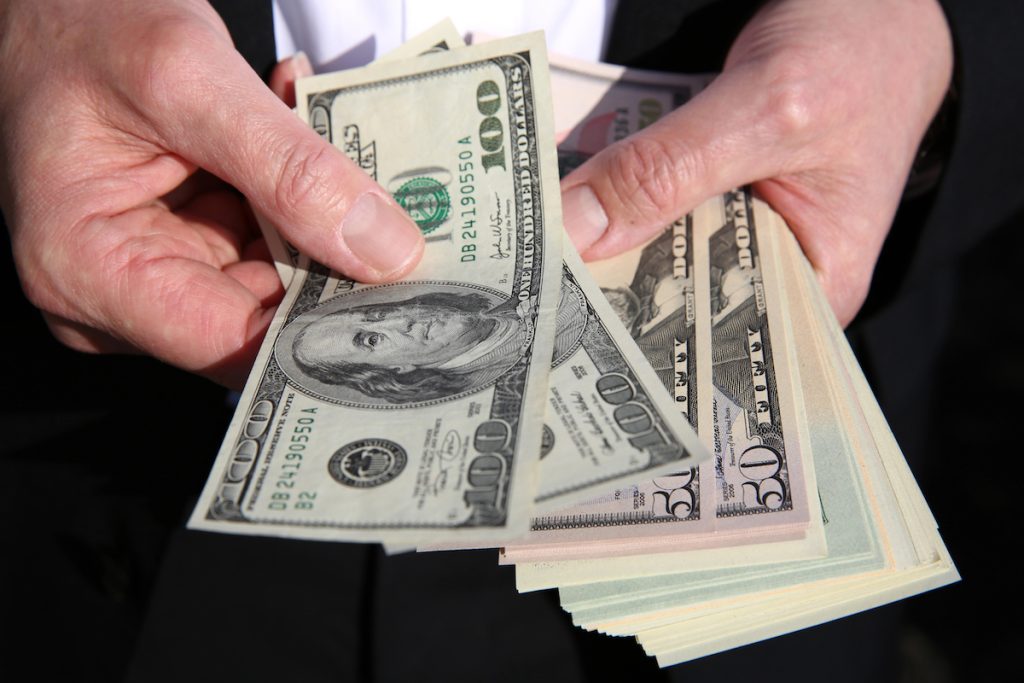
With cash, every transaction demands engagement. You count it, hand it over, and receive change. This active participation makes you more conscious of your spending habits. It slows your decision making, nudging you to ask, “Do I really need this?” Something frictionless digital transactions rarely invite. It turns every payment into a moment of reflection.
Related: 12 Free Trials That Secretly Cost You More Than You Think
Tired of money feeling messy? Get clear, simple tips for managing your family’s finances, straight to your inbox. Sign Up Here
A Response to Digital Fatigue

The modern world is screen-heavy and app-driven. Constant notifications, logins, and password fatigue push people to seek offline simplicity. Handling cash offers a break from digital noise. It’s analog, it’s low tech, and for those burnt out on tech, it feels refreshingly human. It’s a tactile rebellion against relentless connectivity. Sometimes, the most peaceful payment method doesn’t need Wi-Fi.
Related: 13 Everyday Things Rich People Refuse To Buy And Why
Protection from System Outages

Cash remains king when apps crash, banks go offline, or power goes out. Offline money doesn’t rely on Wi-Fi, battery life, or a functioning payment processor. With rising fears of cyberattacks and tech dependency, many see cash as a reliable backup, especially in emergencies or natural disasters. It’s your financial flashlight in a blackout. When systems fail, paper prevails.
Rising Distrust in Digital Systems

From bank failures to crypto collapses, trust in financial tech isn’t what it used to be. People are growing skeptical of how institutions handle their money. Offline money puts the power back into your hands, literally. It offers independence from banks, apps, and systems that too often fail the average consumer. It’s a form of financial sovereignty. Cash doesn’t crash, glitch, or get hacked; it just works.
Related: 13 Silly Mistakes Americans Waste Fifteen Hundred Dollars On Every Year
Local Economies Still Rely on It
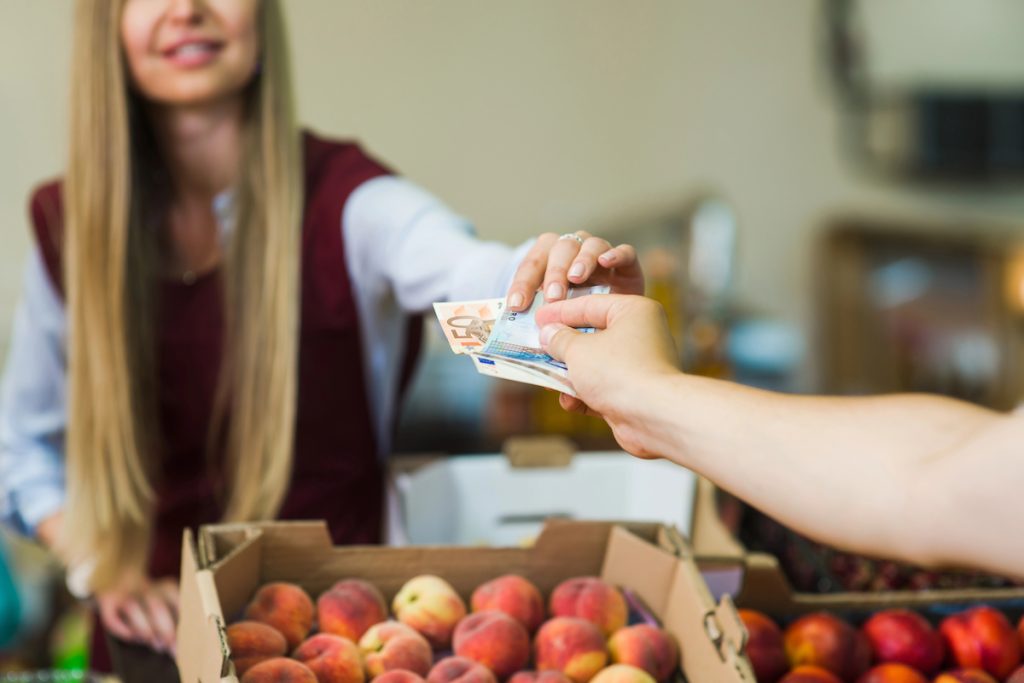
Street vendors, farmers’ markets, local artisans, and many small businesses prefer or even require cash. Supporting local communities often means embracing offline money. For many consumers, spending cash at these places feels more personal, authentic, and connected than a tap and go transaction at a chain store. It adds humanity to commerce.
Related: 12 Luxury Buys Even Frugal People Say Are Always Worth It
Digital Oversight Feels Creepy

Payment apps collect data for targeted ads, behavior prediction, and credit scoring. This level of tracking unnerves many consumers, especially those concerned about surveillance capitalism. Cash, by contrast, is untraceable. It’s freedom from the algorithms watching your every swipe. There’s no one peeking over your shoulder. Offline money keeps your life, your own.
Want budgeting tips that actually work with a toddler on your hip? This is for you.
Teaching Kids Real Value

Parents are turning back to cash to teach financial responsibility. When kids physically handle money, earning, saving, and spending it, they better understand its value. Digital cash is too abstract for young minds. Offline money brings lessons no banking app or debit card can truly replicate. It makes saving feel like a real achievement.
Related: Why Taking A Money Sabbatical Is The Bold New Life Hack
Social Spending Is More Intentional

Splitting the bill with friends or giving to charity feels different when it’s cash. There’s an emotional weight to physically handing someone money. In an increasingly disconnected world, cash brings a sense of intention and presence to social and charitable exchanges that digital platforms often sterilize. It feels personal, not programmed. Every bill passed hand-to-hand carries a human story.
Related: Why Passive Income Might Be The Biggest Myth Online
Offline money is experiencing a renaissance, not out of nostalgia, but necessity. In a world that’s digitized, monetized, and monitored, cash offers something rare: control. It’s tangible proof that you own your decisions, your privacy, and your financial future. From budgeting better to resisting digital surveillance, the power of paper lies not in its past but in its bold and quiet rebellion.
Disclaimer: This list is solely the author’s opinion based on research and publicly available information.
12 Best Times Of Day To Make Smart Money Moves

There is a time for everything, including smarter money moves. Whether you are paying bills, adjusting your investment strategy, or simply checking your bank balance, timing can amplify your financial impact. Just like your energy levels fluctuate throughout the day, so does your decision making power. From early morning clarity to late night reflection, knowing when to act can be as important as knowing what to do.
Read it here: 12 Best Times Of Day To Make Smart Money Moves
The Hidden Burnout Of Being ‘Good With Money’

Being “good with money” is often celebrated like a badge of honor. Friends applaud your frugality, social media hypes your savings goals, and even your bank seems impressed. But no one talks about the emotional toll this constant vigilance takes. Behind every budget spreadsheet is someone mentally exhausted, emotionally overextended, and quietly burned out.
Read it here: The Hidden Burnout Of Being ‘Good With Money’
What Your Crypto Portfolio Might Secretly Say About Your Finances

Your crypto wallet is not just a collection of coins and tokens, it is a digital reflection of your deepest financial instincts. Behind every Bitcoin buy, altcoin gamble, or stablecoin stash lies a hidden belief, fear, or desire about money. Whether chasing financial freedom, dodging traditional systems, or riding the next big wave, your portfolio quietly tells a story.
Read it here: What Your Crypto Portfolio Might Secretly Say About Your Finances
You’ll love these related posts:


