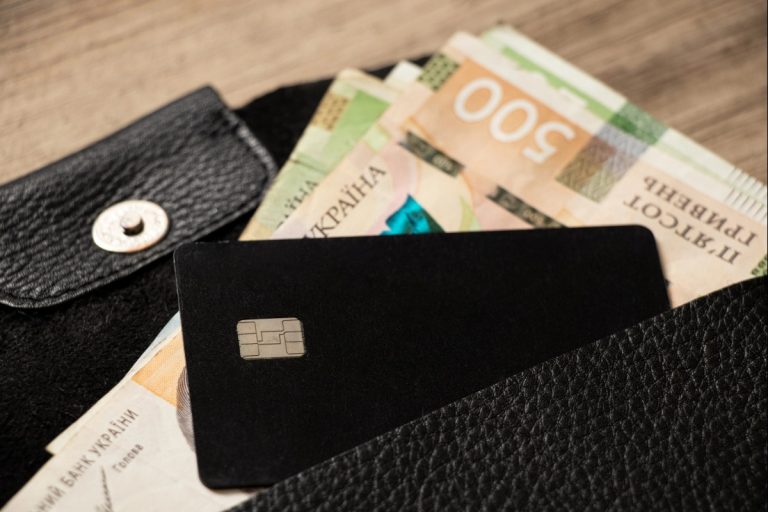
The Real Reasons Cash Keeps You From Impulse Spending
Cash is not just an old school way to pay, it is a psychological barrier that makes you think twice before buying. While digital payments feel effortless, cash creates what behavioral economists call a “pain of paying.” Here are the real reasons why cash can help curb impulse spending:
You Physically Feel the Loss

Handing over actual bills creates a tangible moment of sacrifice. When you see money leave your hands, your brain processes it as a real loss, unlike tapping a phone, which feels abstract and painless.
You’re More Aware of Your Limits

With cash, you can only spend what is in your wallet. That physical limit forces prioritization. If you have got $40 on hand, every purchase becomes a choice between what you want now and what you might want later.
Related: 12 Biggest Money Regrets Married Couples Admit To
Impulse Buys Become Inconvenient

Reaching into your wallet and counting bills takes effort, especially compared to a quick tap or swipe. That minor inconvenience builds in just enough friction to make you rethink spontaneous purchases.
Related: The Weekly Money Routine High Earners Never Skip
Harder to Rationalize Small Purchases

It is easier to justify a $5 coffee or $10 accessory when swiping a card. But when you physically count out bills or break a $20 bill for something trivial, the decision feels heavier and less justifiable.
Related: What Money Experts Are Doing Differently In 2025
Increases Mindfulness in Daily Habits

Spending with cash naturally forces you to reflect more on your routine purchases. That $3 snack at the gas station or $12 lunch may not feel like much on a card, but if you are physically peeling off bills multiple times a day, it makes you pause. Over time, this builds stronger awareness of where your money goes and how quickly small decisions add up to big expenses.
Related: 12 Reasons DIY Investing Is Exploding Right Now
Tired of money feeling messy? Get clear, simple tips for managing your family’s finances, straight to your inbox. Sign Up Here
Reduces the Influence of Social Spending Pressure

Splitting bills with Venmo, joining in app purchases, or agreeing to spontaneous plans. With cash, if you have only got $30 in your wallet, that becomes a firm boundary. It empowers you to say “no” more confidently because your limitation is clear and visible, not just internal.
Related: How Financial Anxiety Is Quietly Stealing Your Paycheck
Cash Is Finite, Not Invisible

When you pay with cash, you can see exactly how much you have and how much you are giving away. That visual cue reinforces the idea that money is a limited resource. By contrast, using a card or digital payment does not create the same awareness; it is like swiping into an endless pool, even if your funds are low.
No Delayed Consequences

Impulse spending often happens because there is no immediate downside, especially with credit or buy now, pay later systems. You get the item now and will not feel the financial impact until next month’s statement. But with cash, the cost is felt instantly. There is no “future me will handle it” mentality, just you, your wallet, and a choice.
Related: 12 Reasons More Americans Are Choosing To Rent Forever
Enhances Emotional Connection to Money

You worked for that cash. You deposited the check, withdrew it from the ATM, and held it in your hands. That physical journey creates a stronger psychological link to your money than tapping a phone ever could. When you physically part with your earnings, you feel it. That emotional weight makes you more careful with how, when, and why you spend.
Related: 12 Things The Wealthy Are Buying Instead Of Stocks
Breaks the Consumption Loop

Impulse shopping activates your brain’s dopamine system, creating a feedback loop: you buy something, get a quick reward, and feel good, so you do it again. Digital payments speed up this loop dramatically. But cash slows it down. There is more friction, more hesitation, and more awareness.
Want budgeting tips that actually work with a toddler on your hip? This is for you.
Encourages Pre-Planning and Budgeting

When you use cash, you are more likely to plan your purchases ahead of time. You might withdraw a set amount for the week or day, mentally assign portions for groceries, transportation, or eating out, and then stick to it. This process naturally builds discipline and structure. You are not just reacting to sales or cravings in the moment, you are operating within clear boundaries.
Related: 12 Underrated Saving Tricks Money Planners Swear By
Makes Big Purchases Feel Heavier

Physically handing over a thick wad of bills triggers a strong emotional reaction; it can feel painful, risky, or even excessive. That emotional weight makes you pause and question the necessity of the purchase. With digital payments, that psychological barrier does not exist, making big spending decisions feel much smaller and easier to justify on a whim.
Related: The Money Methods That Are Helping People Save Again.
Cash is not just old fashioned, it is powerful. It activates natural barriers to mindless spending, creates emotional awareness, and builds financial mindfulness in ways that digital payments intentionally suppress. If you are trying to spend less, budget better, or curb your impulses, reintroducing cash, even in small ways, can have a surprisingly big impact.
Disclaimer: This list is solely the author’s opinion based on research and publicly available information.
12 Ways To Make Extra Cash Without Quitting Your Day Job

You do not need to clock out of your 9 to 5 to start building a second income. Some of the most lucrative side hustles are designed to fit around your schedule, on weekends, late nights or even lunch breaks. Whether you are paying off debt, saving for a trip or just craving a financial cushion, these cash generating ideas are designed for real people with real jobs. There are no massive startup costs, no quitting required and no waiting around.
Read it here: 12 Ways To Make Extra Cash Without Quitting Your Day Job
13 Silly Mistakes Americans Waste Fifteen Hundred Dollars On Every Year

For many Americans, that missing $1,500 each year does not vanish in a single splurge; it leaks out in the form of tiny, seemingly harmless mistakes. It is not always about lavish vacations or luxury purchases. Instead, it is the subscriptions we forget to cancel, the groceries we let spoil, and the warranties we do not even need. These are the money draining habits we laugh off until the end of the year, when we are wondering where our cash went.
Read it here: 13 Silly Mistakes Americans Waste Fifteen Hundred Dollars On Every Year
Why Taking A Money Sabbatical Is The Bold New Life Hack

Taking a “money sabbatical,” a planned break from work to focus on personal growth, mental health, or passion projects, is gaining popularity as a transformative life strategy. Unlike traditional retirement planning, this approach emphasizes living fully in the present while maintaining financial responsibility. Here are 12 compelling reasons why embracing a money sabbatical can be a bold and beneficial life choice
Read it here: Why Taking A Money Sabbatical Is The Bold New Life Hack
You’ll love these related posts: