12 Things The Wealthy Are Buying Instead Of Stocks
The ultra wealthy are shaking up the traditional investment playbook, and stocks are no longer the crown jewel. In 2025, diversification looks glossier, riskier, and sometimes even stranger. From rare collectibles to luxury real estate and digital assets, the rich park their money where volatility meets exclusivity. They are less interested in index funds and more curious about art, land, and even wine that appreciates.
Fine Art

Blue-chip artworks are now more than decor, they are million dollar vaults of value. From Basquiat to Banksy, the wealthy see contemporary art as both status and shield against market swings. Top tier pieces continue to appreciate, even when Wall Street wobbles. Plus, art fairs and galleries offer a glamorous social circuit with built-in financial perks.
Collectible Books & Manuscripts

First edition novels and signed manuscripts are now prestige packed assets. Wealthy collectors are bidding big for stories with spine and value. It is intellectual wealth, history that holds its price. Whether it is Shakespeare or sci-fi, these pages are now part of powerful, profitable legacies.
Related: 15 Money Fears No One Talks About But We All Feel
Luxury Handbags

Hermès Birkins and Chanel classics are now financial powerhouses, outpacing stocks in ROI. Wealthy investors treat fashion as a form of hard luxury. They are portable, prestigious, and nearly recession-proof in the resale market. For some, collecting handbags is the new-age version of storing gold-chic, and strategic.
Related: 13 Budget Lies You’ve Been Believing Since High School
Cryptocurrency and NFTs, Still!

Despite volatility, the wealthy are not done with digital assets. Bitcoin, Ethereum, and NFTs still tempt with their high risk, high reward appeal. Blockchain bragging rights come with early adoption, plus the potential for stratospheric returns. They are investing in the future of finance, code, culture, and control.
Related: 14 Sneaky Money Red Flags Hiding In Plain Sight
Vintage Cars

Classic Ferraris and ‘90s Porsches have become rolling vaults. The collectible car market has exploded, turning garages into showrooms of wealth. Collectors race to own automotive history, often joining elite clubs and rallies in the process. These are not just cars, they are legacy machines with roaring resale value.
Related: 13 Boomer Money Habits That Make Gen Z Say “Wait! What?”
Private Equity

Instead of public stocks, the wealthy are turning to private companies with high growth potential. Private equity offers exclusivity, control, and serious returns. It is the ultimate backstage pass to tomorrow’s unicorns before the IPO lights hit. For the ultra rich, it is less about dividends and more about dominance and disruption.
Related: 12 Weird Spending Habits We All Picked Up After 2020
Farmland

Billionaires are quietly buying America’s heartland, literally. Farmland offers steady returns, tax benefits, and insulation from economic shocks. Land produces not just crops but legacy; it is the foundation of wealth in volatile times. Warren Buffett and Bill Gates are just a few mega rich going green.
Wine Cellars

Aging wine is not just for sipping anymore. Fine wine investment has surged as bottles from Bordeaux or Napa Valley appreciate with time and scarcity. The appeal lies in owning a portfolio that pairs with prestige and pleasure. Some even create wine focused trusts, passing down collections worth millions across generations.
Related: 12 Millennial Money Hacks That Deserve A TikTok Series
Rare Watches
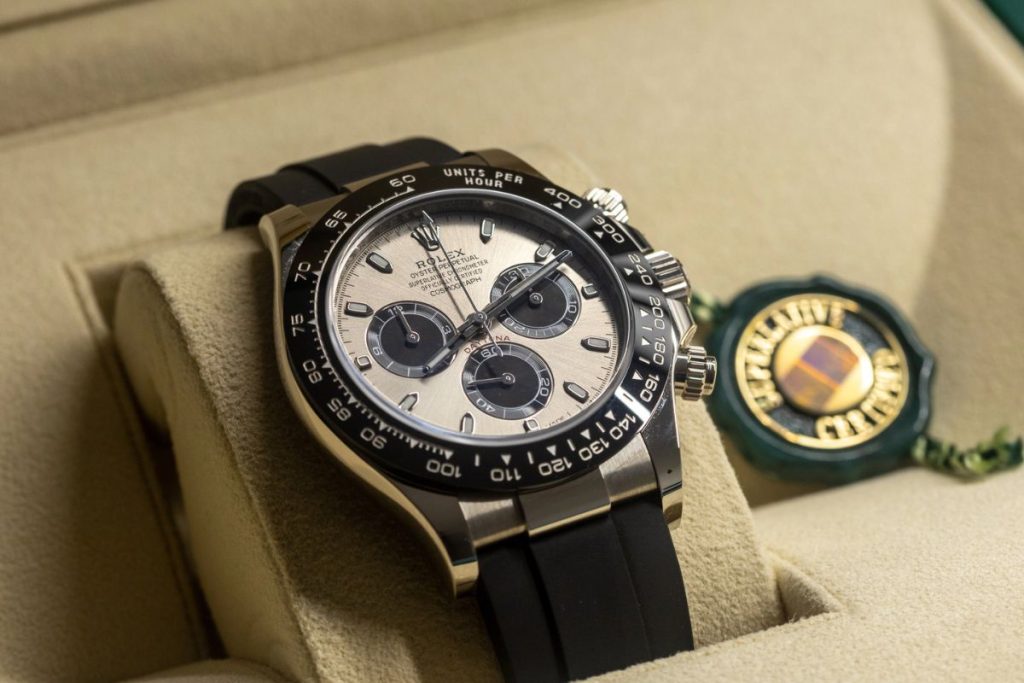
A Rolex Daytona or Patek Philippe is not just wrist candy; it is a ticking investment. Limited edition watches are skyrocketing in resale value, especially among elite collectors. Watches deliver quiet luxury with global liquidity, instant cash in a velvet box, and for many, wearing one is a subtle flex that opens boardroom doors and dinner invitations.
Related: 12 Business Ideas You Can Launch With Next to Nothing
Luxury Real Estate Abroad

From Paris penthouses to beachfront villas in Bali, foreign real estate gives the rich both lifestyle and leverage. These properties often double as vacation getaways and income generators. They also serve as safe havens during political unrest or economic downturns. Owning global property equals power, status, and optionality in today’s nomadic wealth class.
Private Islands

Nothing screams exclusivity like your own zip code on the sea. High net worth individuals are buying private islands in the Caribbean and the Pacific, turning them into personal retreats or ultra lux rentals. It is privacy, prestige, and permanence rolled into one fantasy property. Some are even converting them into off grid eco-resorts or cryptocurrency havens, escape plans with investment perks.
Related: 12 Budget Tricks So Easy You’ll Think They’re A Cheat Code
Precious Metals

Gold and silver remain the old school safety net. In times of inflation or global tension, the rich turn to metals for peace of mind. They are timeless, tangible, and trusted across cultures and centuries. It is not just security; it is sovereignty, sitting in a vault or worn as discreet armor.
Related: 12 Moves To Lock Down Your Financial Future Before It’s Too Late
While traditional investors keep their eyes glued to the stock ticker, the wealthy are quietly diversifying into assets that offer more than just numbers on a spreadsheet. They are chasing legacy, luxury, privacy, and permanence, things a typical portfolio cannot buy. These alternative investments reflect a deeper shift: wealth today is about control, exclusivity, and experiences that build power beyond profits.
Disclaimer: This list is solely the author’s opinion based on research and publicly available information.
13 Budget Cuts That Won’t Ruin Your Comfort Zone

Cutting back does not have to feel like you are giving something up, it can actually open the door to smarter habits that still feel good. By being thoughtful about where you save, you can protect your comfort zone while freeing up money for what really matters. These clever, low stress budget cuts prove you can live well and spend less without sacrificing style, warmth or ease. Here is how to keep the cozy parts of life while trimming the excess with confidence.
Read it here: 13 Budget Cuts That Won’t Ruin Your Comfort Zone
14 Signs You’re Spending Like You’re Richer Than You Are

In a world of flashy lifestyles and social media perfection, it is easy to fall into the trap of spending beyond your means. The illusion of wealth often leads people to adopt habits that do not align with their actual income. While it may feel empowering in the moment, these patterns can quietly sabotage long-term financial stability. If any of these signs sound familiar, it might be time for a money mindset reset.
Read it here: 14 Signs You’re Spending Like You’re Richer Than You Are
13 Money Habits From Around The World That’ll Blow Up Your Rulebook

When it comes to managing money, most of us follow advice rooted in our local culture or what financial experts suggest, but around the world, people handle their finances in ways that might surprise you. If you are ready to rethink your budget and break free from the usual rules, these global money habits might change your perspective forever.
Read it here: 13 Money Habits From Around The World That’ll Blow Up Your Rulebook
You’ll love these related posts:


