13 Reasons Why People Are Maxing Out Credit Cards Just To Survive
Credit cards were once a backup plan, a cushion for emergencies, or a bridge between paychecks. But for millions of Americans today, they’ve become a lifeline. Swiping plastic isn’t about luxury anymore; it’s about groceries, gas, and medical bills. As inflation rises and wages stagnate, many are leaning harder on their credit limits to stay afloat. This isn’t reckless spending, it’s survival mode.
Wages Aren’t Keeping Up With Inflation
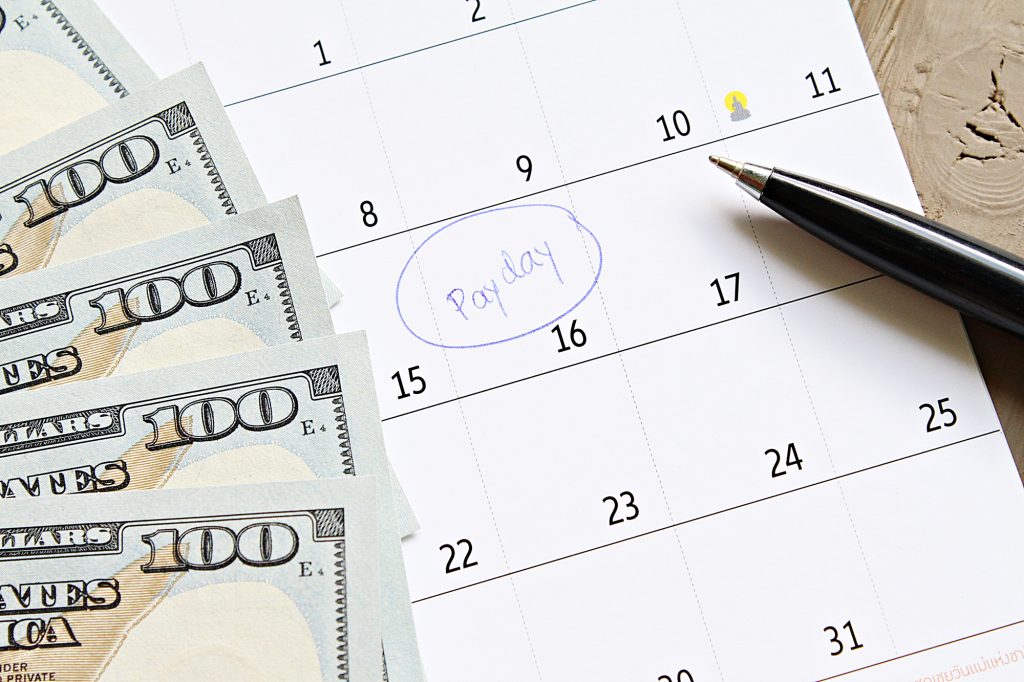
Even as workers hustle harder, their paychecks aren’t stretching like they used to. Rent, food, and basic utilities have skyrocketed, while salaries stay frustratingly flat. That growing gap forces many to fill the void with credit. It’s not about poor planning, it’s about not earning enough to cover life’s essentials. The math simply doesn’t add up without that extra swipe.
Rent Prices Are Breaking Budgets
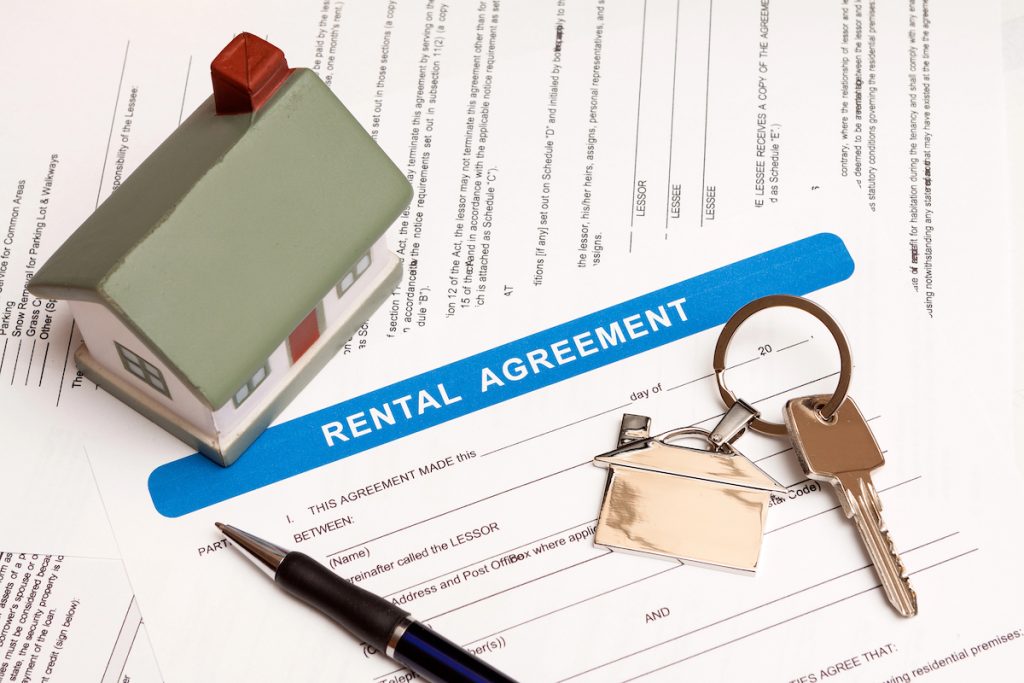
Across the country, rent has soared to historic highs. In many cities, it’s common for renters to spend 40-50% of their income just on housing. That leaves little for food, transportation, or emergencies. So, when the car breaks down or the fridge goes empty, the credit card becomes the only option left to turn to, again and again.
Related: 12 Reasons Why Therapy Is Now A Line Item In Gen Z Budgets
Grocery Bills Are Eating Paychecks
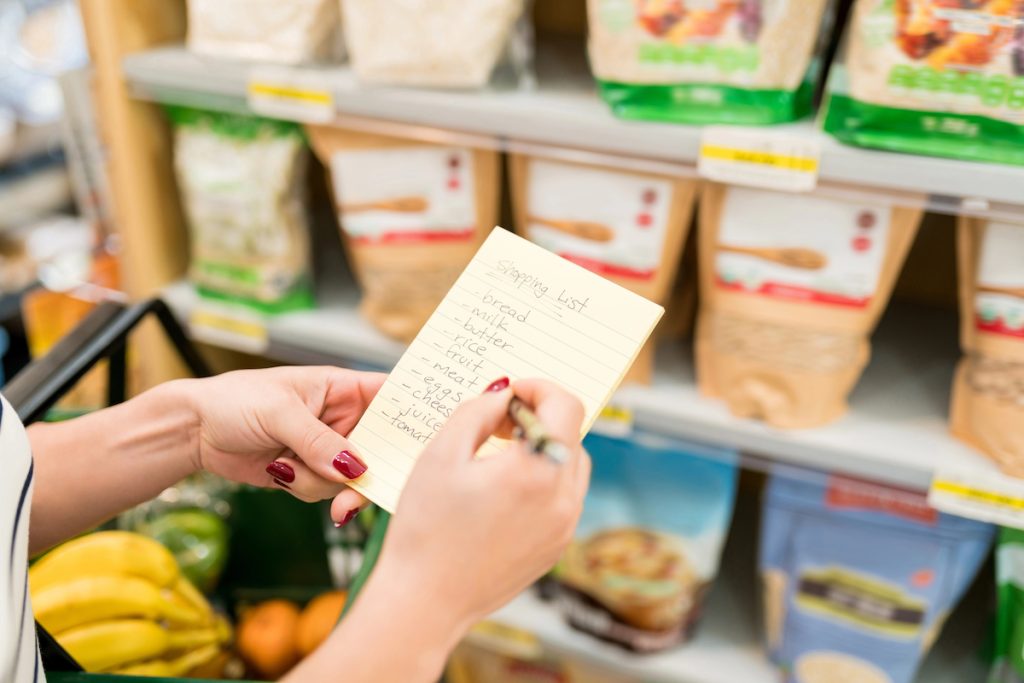
Food prices have surged in the wake of inflation, supply chain issues, and global unrest. A cartful of basic groceries now costs double what it did just a few years ago. For families, especially those with children, the weekly food bill often exceeds what’s left after rent and bills. The result is that Credit cards pick up the tab for dinner more often than we care to admit.
Related: What Broke People Know That Rich People Don’t Tell You
Medical Costs Are Unpredictable and Crushing

A single ER visit can leave someone thousands in debt, even with insurance. Prescription prices, copays, and surprise bills hit hard. Many Americans are forced to charge these costs to credit cards to avoid skipping treatment or facing collection agencies. It’s not indulgent, it’s life or death choices on borrowed time and borrowed money.
Related: 12 Reasons Solo Travel Is Exploding and Saving Americans Money
Childcare Costs Rival Rent

For working parents, paying for daycare, after school care, or summer camps can be as expensive as a second mortgage. But without it, working isn’t even possible. Credit cards become the bridge that allows parents to keep their jobs, even if it means digging deeper into debt every month. It’s a painful balancing act with no easy solution.
Related: 12 Things Millennials And Gen Z Are Doing Differently With Money
Tired of money feeling messy? Get clear, simple tips for managing your family’s finances, straight to your inbox. Sign Up Here
Car Repairs Don’t Wait for Payday

When a car breaks down, most Americans have no savings to cover it. Yet they still need that car to get to work, school, and appointments. Mechanics don’t take IOUs, and so the credit card gets swiped. It’s a high stress scenario repeated in households across the country, turning necessity into long term debt with interest.
Related: 12 Loud Budgeting Moves That Are The New Status Symbol
Emergency Savings Are Already Gone

After the pandemic and several years of economic instability, many Americans have burned through what little savings they had. Now, every emergency, big or small, ends up on a credit card. It’s no longer a fallback plan but a frontline defense against daily life’s unpredictable punches. The safety net is gone, but the bills keep coming.
Utilities Are Rising Without Warning
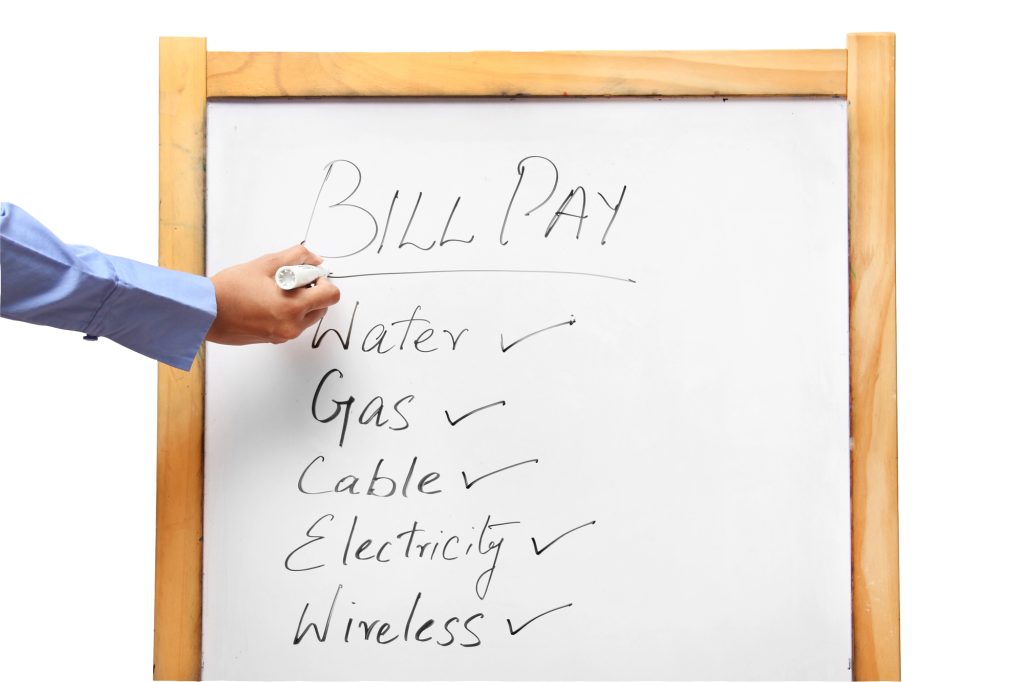
Electricity, water, heating, and internet bills have quietly crept up, sometimes dramatically. Many are faced with choosing between paying for power and putting food on the table. Credit cards become the only way to keep the lights on, literally. It’s survival spending masked as convenience, one bill cycle at a time. Even budget plans can’t soften the blow.
Related: 13 Things Americans Abroad Say They’ll Never Buy Again
Interest Rates Keep Climbing

Even as people rely more on their cards, the cost of that borrowing is growing. The Federal Reserve’s rate hikes mean higher APRs and more money toward interest instead of principal. So balances balloon faster than ever, even with minimum payments. People are treading water in a rising tide of debt they can barely manage.
Related: 12 Old School Money Rules That Do Not Work Anymore
Gasoline Still Hits Hard
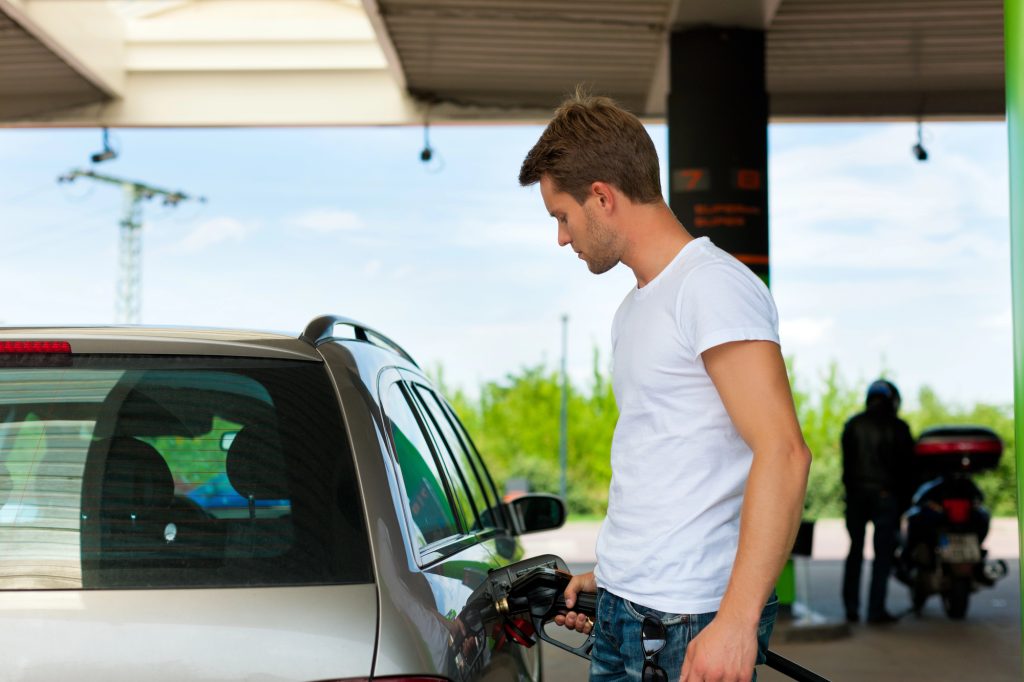
Even with temporary dips, gas prices remain volatile, and for commuters, they’re non-negotiable. Running out of gas means missing work, school drop-offs, and doctor appointments. For many, there’s no choice but to swipe and deal with the consequences later. The car keeps moving, but so does the debt meter. Fuel isn’t optional, it’s essential. Every fill-up is a calculated risk.
Want budgeting tips that actually work with a toddler on your hip? This is for you.
Job Instability Is Creating Pay Gaps

Layoffs, reduced hours, and contract work have created unpredictable income. For those living paycheck to paycheck, a single missed week can cause a financial landslide. Credit cards step in to cover rent, bills, or food, sometimes all three. It’s not bad money management; it’s a fragile job market leaving people exposed. The gig economy promises flexibility but delivers instability.
Related: 12 Amazing Things One Hundred Dollars Gets You Around The World
Student Loan Payments Are Back

After years of deferment, student loan payments have resumed for many. That’s hundreds more in monthly expenses hitting already tight budgets. With no room to adjust, people rely on credit cards to offset the blow. It’s a cruel irony, paying for past education while going into fresh debt. Loan servicers don’t care about inflation. Degrees haven’t guaranteed financial stability.
Related: 12 Everyday Items That Cost Way More In The United States
Credit Is Easier Than Asking for Help

Many are too proud, private, or embarrassed to ask for help from family or friends. Credit cards offer quick access to funds without awkward conversations. But the emotional price of silently sinking deeper into debt is heavy. Pride may protect dignity, but it can’t erase the interest that compounds every day. There’s comfort in anonymity, but it comes at a cost.
Related: 12 Emotional Surprises Gotten From Trying Financial Therapy
This crisis isn’t about excess, it’s about endurance. Americans are maxing out their credit cards not because they’re reckless, but because they’re running out of options. Behind every swipe is a story of survival, sacrifice, and systemic failure. Until the foundational cracks are fixed, fair wages, affordable housing, accessible healthcare, and credit cards will continue being the unsustainable crutch millions lean on.
Disclaimer: This list is solely the author’s opinion based on research and publicly available information.
12 Ways Financial Glow Ups Are Replacing Fitness Transformations

Once upon a time, the ultimate flex was a gym selfie or a six-pack reveal, but in 2025, a different kind of transformation is quietly stealing the spotlight. Enter the financial glow-up, where budgets, savings goals, and debt payoffs are the new before and after brag. Social media is trading abs for asset growth, and followers are now cheering for credit score boosts like they used to for shredded arms..
Read it here: 12 Ways Financial Glow Ups Are Replacing Fitness Transformations
12 Toxic Money Habits That Keep Most Americans Broke

Being broke is not always about what you earn; it is often about what you keep, how you spend, and the mindset driving it all. Across America, millions are stuck in financial quicksand not because they are lazy or careless, but because of hidden patterns that quietly sabotage progress. These are not just mistakes, they are habits. Sneaky, normalized, and sometimes passed down like family recipes.
Read it here: 12 Toxic Money Habits That Keep Most Americans Broke
12 Reasons Cash Stuffing Is Making A Massive Comeback
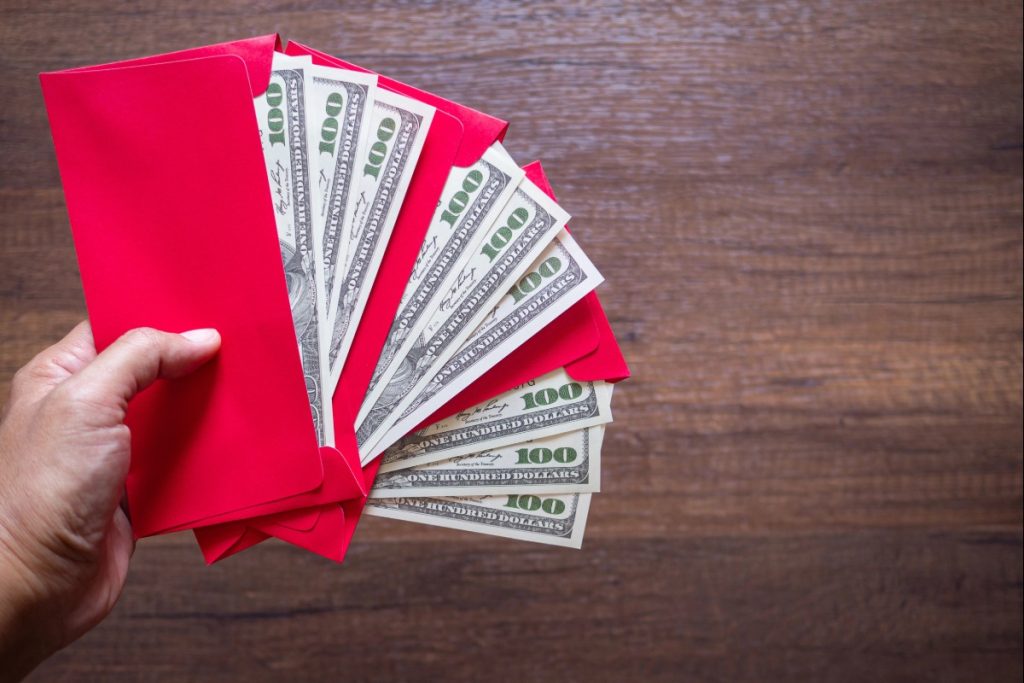
In a digital first world where we swipe, tap, and auto pay without blinking, the return of old-school cash stuffing feels almost rebellious. Yet this budgeting method once mocked as outdated is now surging across TikTok feeds and bank accounts alike. Gen Z and millennials are ditching apps and diving into envelopes, finding emotional control and financial clarity.
Read it here: 12 Reasons Cash Stuffing Is Making A Massive Comeback
You’ll love these related posts:
- 12 Surprising Truths From Thirty Year Olds Who Already Retired
- 12 Ways Boomers Are Still Gatekeeping Financial Knowledge
- 12 Surprising Changes After 30 Days Without Impulse Shopping
- 12 Lessons No One Tells You About Renting Your House Short Term
- Skip The Splurge! These 12 Amazon Dupes Are Just As Good For Less


