The Emotional Toll of Debt No One Talks About
Debt doesn’t drain your wallet, it drains your spirit. Beyond numbers and statements, it creeps into quiet moments, relationships, and self-worth. For many Americans, the weight of owing money isn’t merely logistical, it’s deeply emotional and isolating. While financial stress is often whispered about, its emotional aftermath is rarely addressed openly.
Constant Anxiety Becomes the Norm

Debt anxiety doesn’t end when the bills arrive, it’s ever present. It sneaks into dinner conversations, bedtime thoughts, and weekend plans. The fear of missing a payment or sinking further can cause a racing heart and sleepless nights. People often feel a constant hum of dread they can’t explain. Over time, this background panic becomes a normal part of life.
Shame Keeps People Silent

Talking about debt is taboo, even with loved ones. Many suffer in silence, afraid of being judged as irresponsible or lazy. They bury the truth beneath smiles and small talk, all while their insides twist with guilt. Shame isolates people, even in financially struggling households. The fear of being seen as a failure keeps them from seeking support.
Related: 12 Underrated Saving Tricks Money Planners Swear By
Self-Worth Takes a Hit

Debt makes people feel like they’re less than. They begin to equate their credit score with personal value. A declined card or unpaid bill becomes an emotional trigger, reinforcing feelings of inadequacy. Even small victories feel hollow under the looming weight. It’s not just about what they owe, it’s about what they believe they’ve failed to become.
Related: 12 Expenses To Cut That You’ll Never Even Miss
Guilt Around Loved Ones Builds

Every missed vacation or unbought birthday gift becomes a source of guilt. Parents feel ashamed when they can’t provide everything for their kids. Partners carry the burden quietly, not wanting to cause stress. Debt forces people to make sacrifices that feel deeply personal, and they often blame themselves.
Related: 12 Reasons More Americans Are Choosing To Rent Forever
Relationships Strain Under Pressure

Money problems are one of the leading causes of conflict in relationships. Debt creates tension, secrecy, and resentment. Couples may avoid discussions altogether or argue constantly over spending. The pressure to maintain a lifestyle, or to hide how bad things are, can create emotional distance. Love doesn’t disappear, but trust and peace often do.
Related: 12 Things The Wealthy Are Buying Instead Of Stocks
Tired of money feeling messy? Get clear, simple tips for managing your family’s finances, straight to your inbox. Sign Up Here
Joy Gets Replaced with Guilt
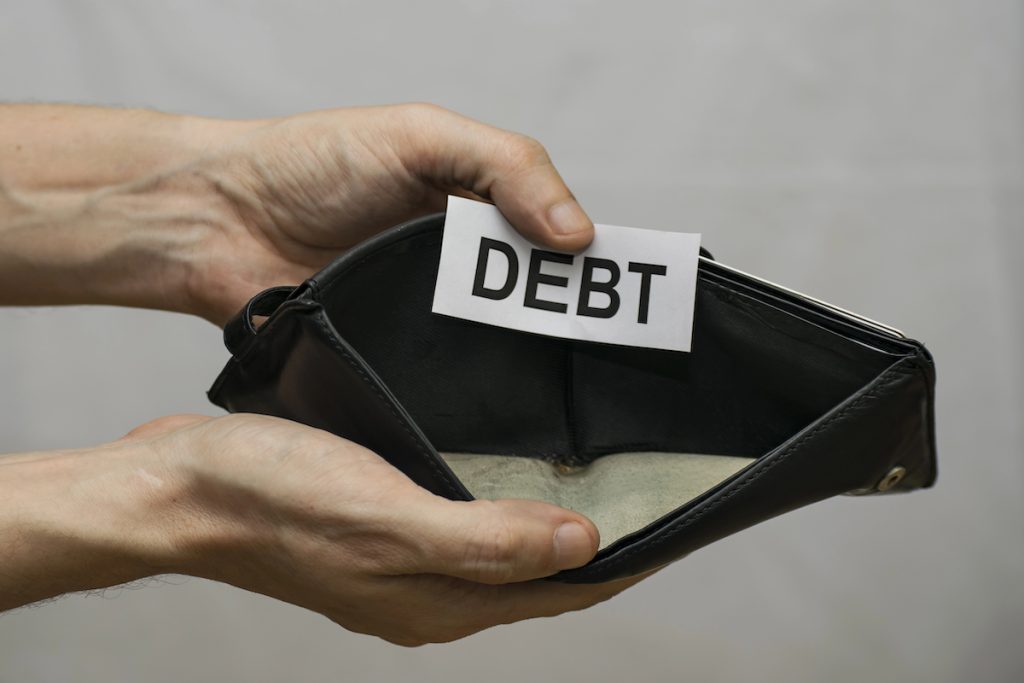
Even when people allow themselves small pleasures, a dinner out or a new jacket, they can’t fully enjoy them. The guilt creeps in immediately: “I should’ve put that money toward my loan.” Debt makes people feel like they don’t deserve joy until they’re debt-free. Life becomes a series of postponed pleasures and internal punishments.
Related: 12 Reasons More Americans Are Choosing To Rent Forever
Future Planning Feels Pointless

When you’re drowning in payments, dreaming feels indulgent. Many stop thinking about home ownership, retirement, or even vacations. Planning for the future feels like building castles on quicksand. The debt creates tunnel vision, survive this month, then the next. Hope is replaced with realism, and realism feels like resignation.
Physical Health Suffers

The stress caused by debt isn’t just emotional; it takes a physical toll. Elevated blood pressure, migraines, and digestive issues are all linked to financial stress. Sleep deprivation from worry only makes health worse. People often delay medical care due to cost, making small issues spiral. When debt controls your budget, it often ends up controlling your body too.
Related: How Financial Anxiety Is Quietly Stealing Your Paycheck
Social Withdrawal Becomes a Habit

People in debt often avoid friends and outings because they can’t afford to participate. Over time, this isolation becomes a coping mechanism. Invitations go unanswered, birthdays missed, texts left on read. Even close relationships fade. It’s not because they don’t care, it’s because they feel embarrassed or inadequate.
Related: 12 Reasons DIY Investing Is Exploding Right Now
Constant Comparison Hurts Confidence

Seeing others travel, buy homes, or upgrade their lives while you’re sinking into debt can sting deeply. Social media only intensifies this pain. It creates a false narrative that everyone else has it figured out. That comparison chips away at self esteem, making debt feel like a personal failing rather than a societal issue.
Want budgeting tips that actually work with a toddler on your hip? This is for you.
Financial Literacy Regret Adds Weight

Many people in debt feel haunted by the phrase: “If only I had known.” They regret taking on loans, signing credit cards, or not budgeting better. This backward focus leads to shame and rumination. Instead of asking how to move forward, they obsess over what they should’ve done differently. It’s a cycle that keeps them stuck emotionally, even when trying to progress financially.
Related: What Money Experts Are Doing Differently In 2025
Hopelessness Creeps In

When debt stretches across decades, it starts to feel permanent. The thought of never getting ahead becomes a recurring fear. For some, this hopelessness morphs into depression or apathy. They stop opening mail, stop making plans, and even stop trying. Debt makes them feel like they’re running a marathon with no finish line.
Related: The Weekly Money Routine High Earners Never Skip
Debt isn’t just a spreadsheet issue, it’s a silent emotional crisis affecting millions of Americans. The stress, shame, and sadness it breeds go unspoken in a culture that equates worth with wealth. These truths reveal how deep that emotional pain runs, and why financial conversations must go beyond dollars and cents. To heal, people need more than payment plans.
Disclaimer: This list is solely the author’s opinion based on research and publicly available information.
The Investing Risks Millennials Were Never Warned About

Millennials were told to invest early, diversify wisely, and ride out the market waves, but no one warned them. Beneath the surface of robo-advisors, crypto apps, and FIRE dreams lies a risk uniquely wired into their generational reality. It is not just about volatility or inflation. It is psychological. It is systemic, and it is quietly sabotaging even the savviest investors.
Read it here: The Investing Risks Millennials Were Never Warned About
12 Ways No-Spend Challenges Are Backfiring

No spend challenges have become a go to method for saving money fast, especially when trying to reset your budget. While the idea sounds empowering, cutting unnecessary expenses and embracing minimalism, it does not always work out as planned. Many people feel deprived, frustrated, or even spending more once the challenge ends. Let us unpack 12 ways these well meaning challenges might be backfiring and how to pivot for lasting financial wellness.
Read it here: 12 Ways No-Spend Challenges Are Backfiring
6 Figure Salary And Still Broke? Here’s why

Earning six figures means you would have made it, financial freedom, comfort, maybe even luxury. But in today’s economy, that high income is not the shield it once was. Between lifestyle inflation, debt traps, and rising costs, many Americans making over $100K are still living paycheck to paycheck. The real shock is that most people do not even realize where the money is going.
Read it here: 6 Figure Salary And Still Broke? Here’s why
You’ll love these related posts:


