14 Reasons Why Some People Are Ditching Credit Scores Altogether
Credit scores were once the gold standard of financial responsibility, three little numbers that could determine your fate with lenders, landlords, and employers. But in today’s evolving financial landscape, a growing number of people are walking away from the system altogether. Whether it’s distrust in traditional credit bureaus, the rise of fintech alternatives, or a desire to escape the debt trap.
Distrust in Credit Bureaus

Many consumers no longer trust agencies like Equifax, Experian, or TransUnion. High-profile data breaches, such as the massive Equifax hack in 2017, exposed millions of people’s private information. These events shattered faith in the institutions responsible for maintaining our most sensitive financial data. Critics argue that the agencies profit off consumers while making it difficult to correct mistakes.
Inaccuracy and Lack of Transparency

Credit reports are notoriously riddled with errors, from outdated accounts to incorrect balances. Trying to correct these mistakes can be a bureaucratic nightmare. Even worse, consumers often don’t know why their scores drop, as algorithms remain largely secretive. This lack of transparency makes it hard to trust the score as a true reflection of financial behavior.
Related: 12 Reasons Why Americans Are Working More And Earning Less
Living Debt-Free by Choice

To build a credit score, you typically need to take on debt, credit cards, loans, or mortgages. But some financially savvy individuals deliberately live debt free, paying cash for everything. Ironically, this responsible behavior can lead to a poor or nonexistent credit score. These people view the score as a punishment for avoiding debt and instead focus on real financial health.
Related: The Quiet Financial Crisis Hitting Millennials in Their Forties
Rise of Alternative Credit Models

Innovative companies are developing alternative scoring systems that look beyond debt history. Some fintech platforms assess your ability to pay based on cash flow, income, savings, and even rent payment history. These models are often more inclusive and accurate for gig workers, immigrants, and others excluded by traditional credit systems.
Related: 13 Reasons Why Some People Need To Feel Their Money To Actually Save It
Financial Independence Movement, FIRE

Followers of the FIRE, Financial Independence, Retire Early, movement often reject credit as a lifestyle. They save aggressively, avoid loans, and refuse to play the “borrow-and-repay” game just to boost a score. Credit scores are irrelevant in a life designed around minimal expenses, passive income, and early retirement for these individuals.
Related: 12 Reasons Why Gen Z May Never Own Homes Like Their Parents Did
Tired of money feeling messy? Get clear, simple tips for managing your family’s finances, straight to your inbox. Sign Up Here
Crypto and DeFi Alternatives
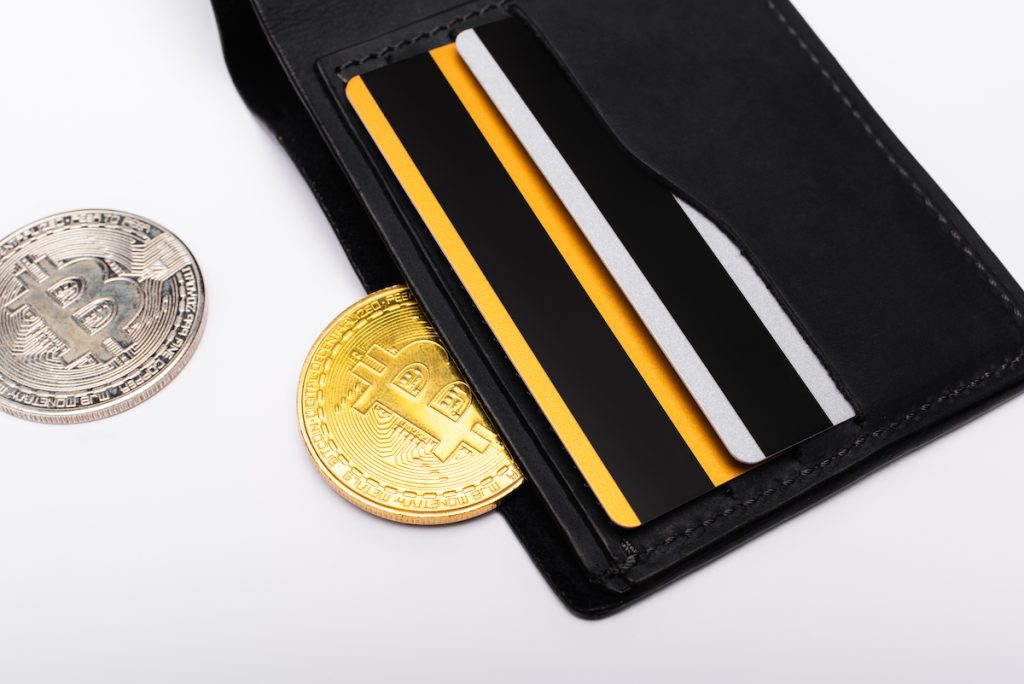
The explosion of decentralized finance, DeFi, and cryptocurrency has introduced a new world of financial freedom. In this ecosystem, transactions don’t rely on credit scores rather blockchain verification. People using platforms like Ethereum-based lending protocols or crypto-based credit systems can bypass traditional financial vetting.
Related: How Budgeting Changed When I Switched To The Envelope Method
Cultural Shifts in Financial Values

Millennials and Gen Z are reshaping financial norms, questioning the old rules. Many value experiences over material goods and are skeptical of traditional institutions. Instead of racking up credit card points, they prefer budgeting, digital banking, and peer to peer transactions. This cultural pivot has led some to see credit scores as outdated metrics that no longer reflect their financial priorities.
Negative Mental Health Impact

Worrying about credit scores can cause immense stress. Constant monitoring, fearing drops, and obsessing over utilization ratios can take a toll on mental health. Some people choose to disengage from the system entirely to reduce anxiety and feel more in control of their financial journey. For them, the peace of mind gained from letting go outweighs the perceived benefits of a high score.
Related: The New War On Anonymity At Checkout You Never Heard About
Barriers for Marginalized Communities

Low-income households, people of color, and immigrants often face systemic hurdles in building credit. From lack of access to loans to discriminatory lending practices, many are penalized for circumstances beyond their control. Ditching the credit system becomes an act of resistance and self-determination, a way to reclaim financial autonomy in a system stacked against them.
Related: 12 Unexpected Ways Digital Payment Fatigue Is Changing How We Spend
Bankruptcy and Credit Burnout

For those who’ve gone through bankruptcy or major credit trauma, rebuilding can feel futile. After years of trying to fix bad credit, some people walk away from the system. Instead, they rebuild their lives using cash, budgeting, and non-traditional income streams. Credit scores, once central to their identity, become relics of a painful past they’re eager to move beyond.
Want budgeting tips that actually work with a toddler on your hip? This is for you.
Pay-As-You-Go Lifestyle

Some people are embracing a pay-as-you-go model, renting instead of owning, using prepaid cards, and avoiding large financial commitments. Their credit history remains thin or nonexistent, with no car payments, mortgages, or credit cards. But that’s by design. They’re choosing simplicity and flexibility over entanglement in credit cycles, and they don’t need a score to live the life they want.
Related: Cash Or Card? The Psychology That Shapes How We Spend
Homesteading and Off-Grid Living

A niche but growing segment of the population is choosing to live off-grid or adopt a homesteading lifestyle. These individuals grow their food, build their own homes, and use barter or cash economies. With few interactions with financial institutions, credit scores become irrelevant. Their version of wealth is measured in self sufficiency, not FICO points.
Related: The Rise Of Offline Money And Why People Want It Back
Focus on Net Worth Over Score

A credit score reflects borrowing behavior, not actual wealth. Some financially literate individuals prefer to focus on growing assets, investments, real estate, and savings, rather than managing debt to keep a high number. For them, net worth is a truer measure of financial success. They’d rather build wealth than chase a score built on liabilities.
Related: The Quiet Rise Of Anti-Bank Banking You Need To Know About
Tech-Driven Budgeting and Financial Planning

Apps like YNAB, Mint, and Monarch empower users to take full control of their financial lives without relying on debt. With clearer visibility into spending and saving, people feel less need for credit-based tools. Digital budgeting offers a roadmap that doesn’t involve revolving credit lines or FICO manipulation. It’s money management without the middleman.
Related: These High Interest Traps Are Hiding Right Now In Your Wallet
The credit score system, once seen as essential, is now being challenged from all sides by innovators, activists, and everyday people who simply want a fairer, more holistic view of financial health. Whether it’s the pull of digital tools, the pushback against systemic bias, or the pursuit of peace of mind, the reasons for ditching credit scores are as diverse as the people making that choice.
Disclaimer: This list is solely the author’s opinion based on research and publicly available information.
Why Frictionless Payments Are Secretly Making Us All Broke

The convenience of frictionless payments seems like a dream in a world where your phone can buy your coffee before you even reach the counter. No swiping, no PINs, just tap and go bliss. But that ease might come at a hidden cost, your financial well being. From one click shopping to facial recognition at checkout, modern payment systems are removing barriers between desire and purchase.
Read it here: Why Frictionless Payments Are Secretly Making Us All Broke
12 Ways Your Payment Method Is Becoming Part Of Your Identity

In today’s cashless society, how you pay is becoming as important as what you buy. Payment methods have evolved into more than just transactions, they are subtle signals of identity. As spending becomes more digital and personalized, understanding what your payment choices say about you can help you align your money habits with your values.
Read it here: 12 Ways Your Payment Method Is Becoming Part Of Your Identity
Goodbye Credit Cards! Hello Real Budgeting

More and more people are ditching credit cards in favor of real budgeting, changing how they manage their finances. This approach encourages greater financial control. Real budgeting is about more than just numbers, it is a path to a healthier, more empowered financial life.
Read it here: Goodbye Credit Cards! Hello Real Budgeting
You’ll love these related posts:
- I Went Cash Only For 30 Days And Here’s What Actually Changed
- 12 Reasons Why Gen Z May Never Own Homes Like Their Parents Did
- Why Buy Now Pay Later Became The New Debt Trap Nobody Warned You About
- What Your Payment Method Says About How You Handle Money
- What Most People Get Wrong About Saving Money Today