12 Ways Your Payment Method Is Becoming Part Of Your Identity
In today’s cashless society, how you pay is becoming as important as what you buy. Payment methods have evolved into more than just transactions, they are subtle signals of identity. As spending becomes more digital and personalized, understanding what your payment choices say about you can help you align your money habits with your values.
Cash Users Signal Financial Discipline
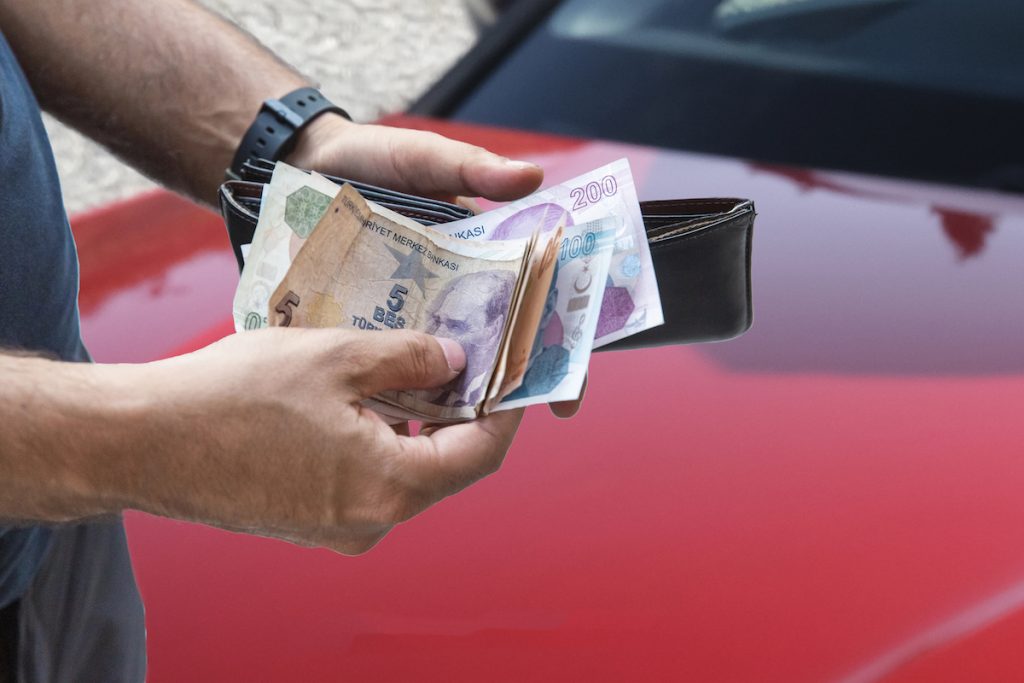
Choosing to pay with cash often reflects a mindset focused on budgeting and avoiding debt. Cash forces a tangible awareness of spending limits, fostering better money management. This payment method can symbolize self control and a desire for simplicity. Many cash users take pride in staying grounded despite digital trends.
Credit Card Use Reflects Financial Confidence

Using credit cards can signal a comfort with borrowing and credit management. Cardholders often showcase rewards points, travel perks, or cashback benefits as part of their financial savvy. This payment style suggests trust in credit systems and future income. It can also convey status through premium or luxury card designs.
Related: How Financial Anxiety Is Quietly Stealing Your Paycheck
Mobile Wallets Represent Tech-Savviness

Opting for mobile payments like Apple Pay or Google Wallet often signals someone comfortable with technology and innovation. It shows a preference for convenience, speed, and seamless experiences. Younger generations especially embrace this method as part of a digital-first lifestyle. It’s a way to merge daily habits with smart, cashless transactions.
Related: 12 Harsh Money Truths You’ll Wish You Learned Before Your First Paycheck
Buy Now, Pay Later Indicates Spending Flexibility

The rise of buy now, pay later services appeals to consumers valuing financial flexibility and immediate gratification. Users signal a preference for managing cash flow without sacrificing purchases. This method often reflects confidence in future earnings or a willingness to juggle payments. However, it can also hint at riskier spending habits if not carefully managed.
Related: 14 Ways to Grow Wealth While You’re Still Paying Off Debt
Cryptocurrency Payments Showcase Modern Identity
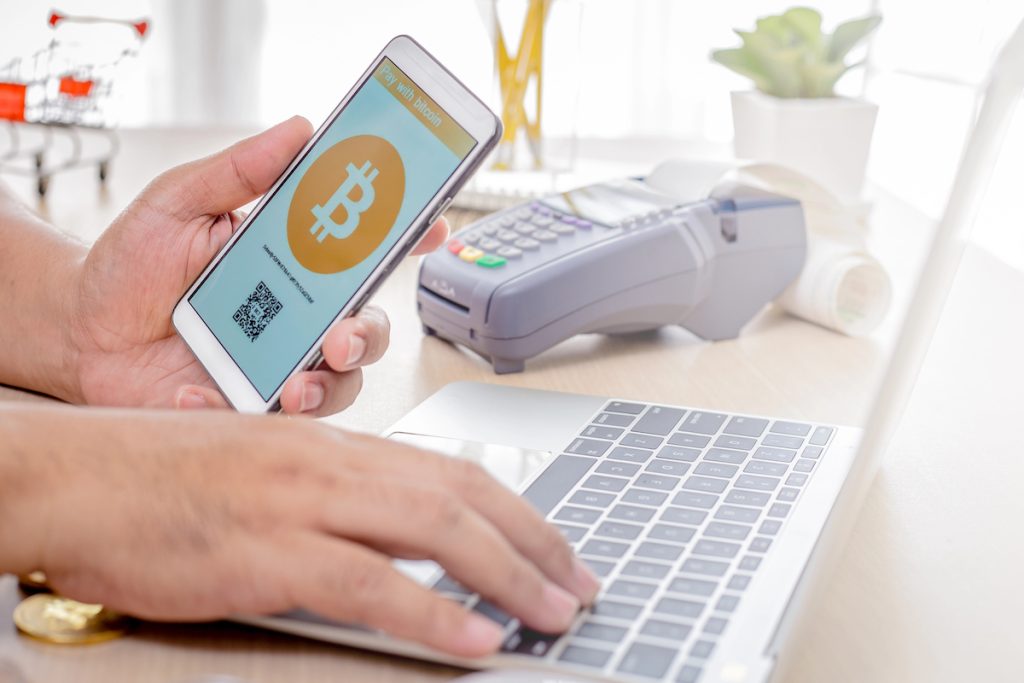
Paying with cryptocurrencies is a statement about embracing cutting edge financial technology and decentralization. It suggests openness to alternative systems and skepticism toward traditional banks. Crypto users often value privacy, transparency, and innovation. This payment choice positions them as pioneers in the evolving economy.
Related: 14 Truths About ‘Buy Now Pay Later’ That No One’s Telling You
Tired of money feeling messy? Get clear, simple tips for managing your family’s finances, straight to your inbox. Sign Up Here
Contactless Payments Reflect a Hygiene and Convenience Priority
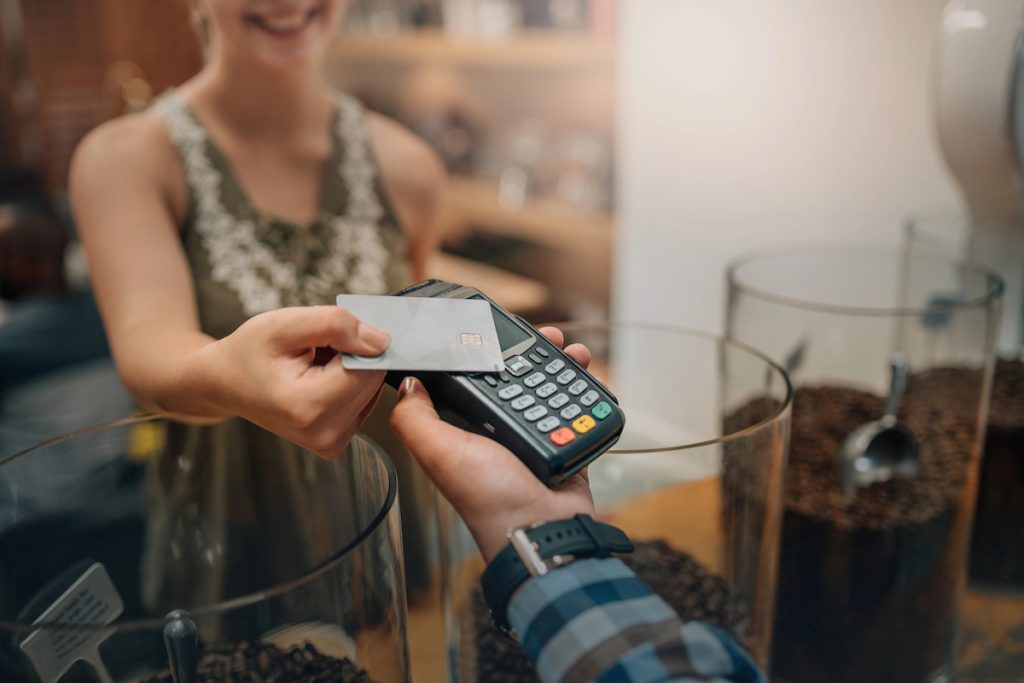
Using contactless cards or devices communicates a desire for speed and health conscious choices. Especially after the pandemic, tap and go payments have become a sign of adapting to modern, safe habits. It also reflects an appreciation for effortless, frictionless transactions. This subtle choice aligns with a fast-paced lifestyle.
Related: 12 Countries Where One Income Still Pays The Bills! Seriously!
Split Payments Represent Social Connectivity

Choosing to split bills or pay via peer to peer apps signals a social and collaborative approach to money. It shows a preference for shared experiences and transparency among friends or family. This payment style can highlight a modern communal mindset around finances. It is about making transactions part of social bonding.
Store Credit and Loyalty Cards Show Brand Loyalty
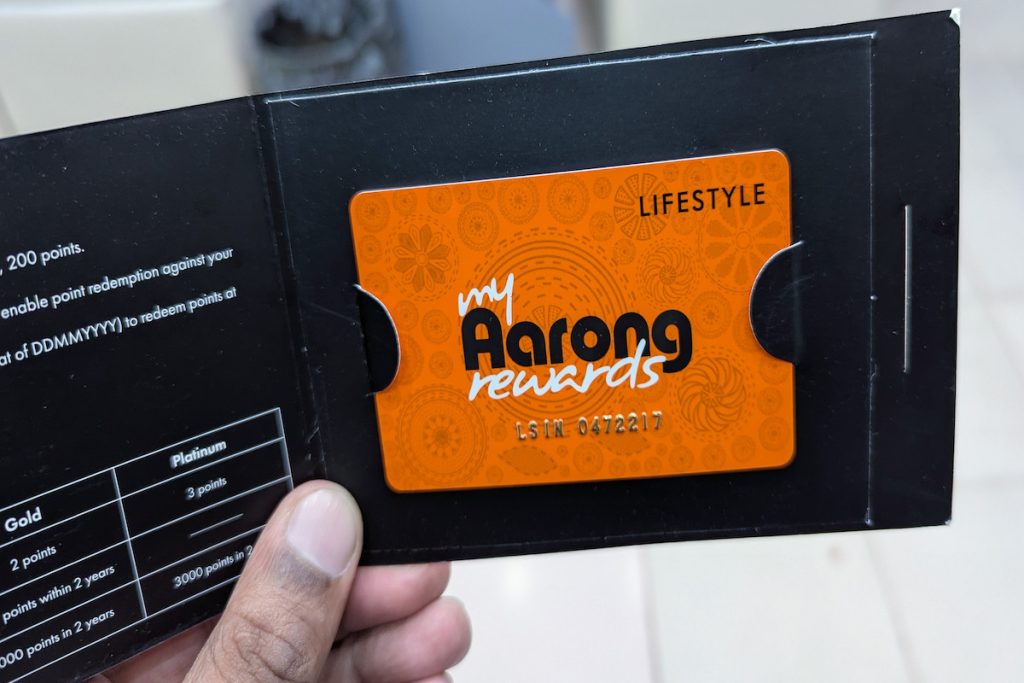
Using store specific credit or loyalty cards signals dedication and trust in particular brands or retailers. It reflects an identity tied to certain lifestyle choices or shopping habits. These cards often come with perks that reinforce the user’s connection to the brand. It is a way of blending financial decisions with personal preferences.
Related: 13 Silly Mistakes Americans Waste Fifteen Hundred Dollars On Every Year
Prepaid Cards Indicate Budget Control or Caution

Prepaid cards suggest a cautious or controlled approach to spending, often used to avoid overdraft fees or debt. Users might also prefer them for gifts or travel safety. This payment method reflects a proactive strategy to limit financial risks. It symbolizes financial mindfulness or specific situational planning.
Related: 12 Luxury Buys Even Frugal People Say Are Always Worth It
Checks Reflect Traditional Values or Specific Needs
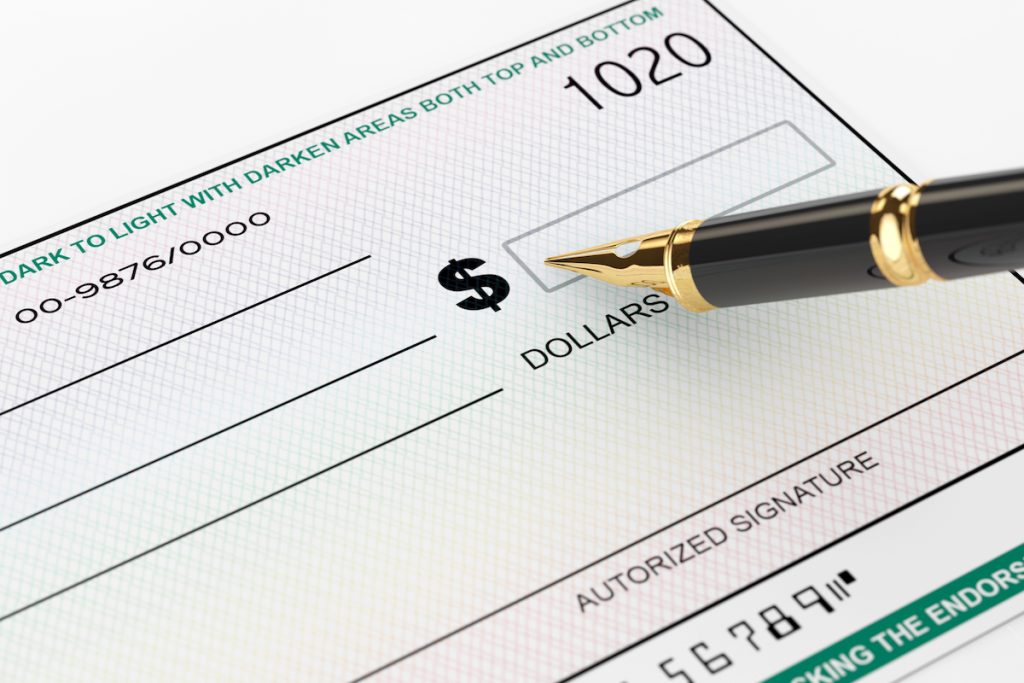
Though less common today, paying by check can signal traditionalism or a preference for paper trails. Some use checks for large payments or formal transactions where digital is not preferred. It may also indicate trust in established financial practices. This payment choice ties to a slower, deliberate financial identity.
Want budgeting tips that actually work with a toddler on your hip? This is for you.
Cash Back and Rewards Programs Influence Identity
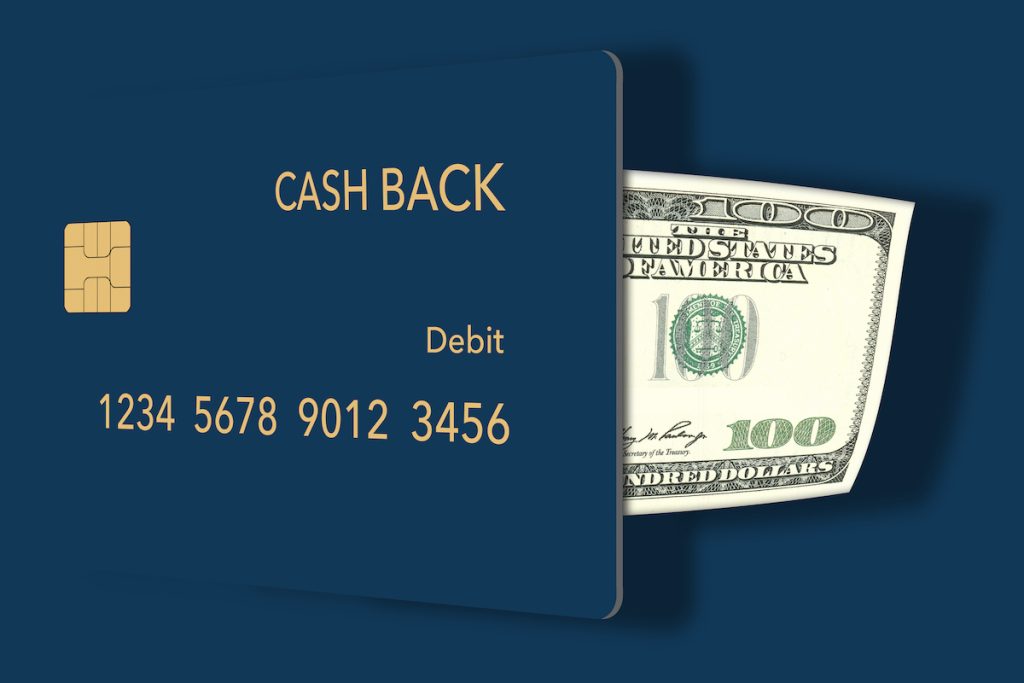
People who prioritize cash back or reward points show an identity focused on maximizing value from everyday spending. They often research and choose cards or programs that align with their lifestyle needs. This reflects a strategic mindset toward financial optimization. Rewards become a badge of savvy money management.
Related: Why Passive Income Might Be The Biggest Myth Online
Charitable Giving Through Payment Choices Shows Values
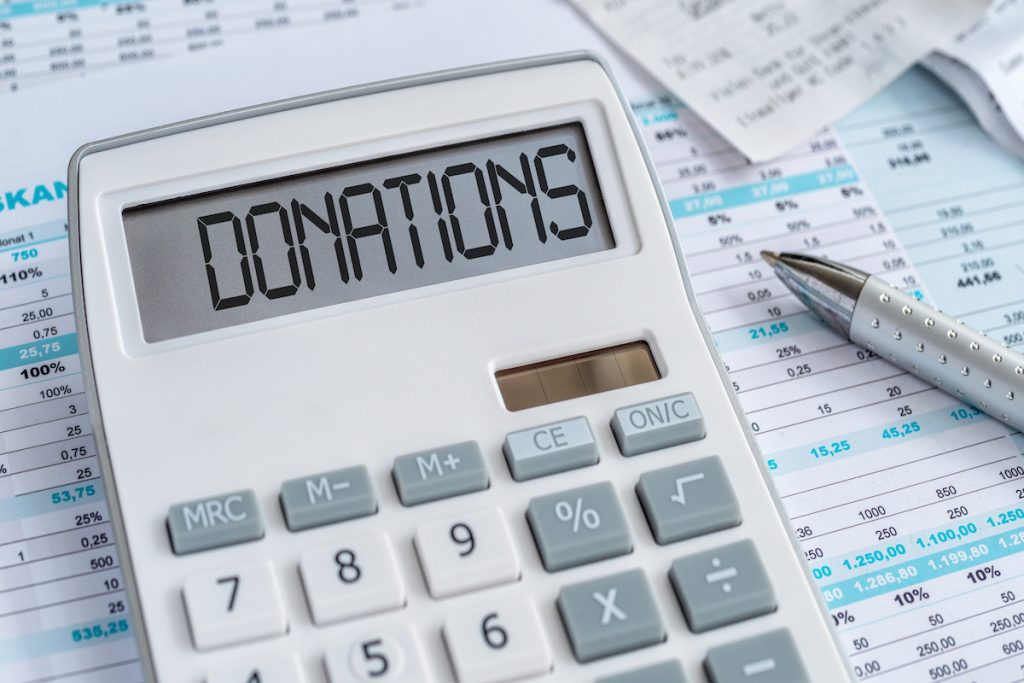
Using payment methods that allow easy donations or rounding up purchases signals a socially conscious identity. It reflects values prioritizing generosity and community support. This subtle financial behavior demonstrates how payments can align with personal ethics. It is a way to weave philanthropy into daily transactions.
Related: 12 Best Times Of Day To Make Smart Money Moves
The way people pay today reveals much more than just their preferred method, it reflects their personality, values, and social identity. Payment choices communicate financial habits, lifestyle preferences, and even aspirations. As digital and alternative payment options multiply, how you pay becomes a unique signature in social and economic contexts.
Disclaimer: This list is solely the author’s opinion based on research and publicly available information.
The Hidden Burnout Of Being ‘Good With Money’

Being “good with money” is often celebrated like a badge of honor. Friends applaud your frugality, social media hypes your savings goals, and even your bank seems impressed. But no one talks about the emotional toll this constant vigilance takes. Behind every budget spreadsheet is someone mentally exhausted, emotionally overextended, and quietly burned out.
Read it here: The Hidden Burnout Of Being ‘Good With Money’
12 Surprising Truths About Money And Modern Love

Money and love are supposed to be separate in reality, right? They are more tangled than ever. From how we split dinner bills to how we define success, modern romance is increasingly shaped by financial expectations, pressures, and even red flags you can spot from a dating app bio. Whether you are married, situationshipped, or swiping for a spark, how you deal with money is a mirror to how you deal with intimacy, trust, and future dreams.
Read it here: 12 Surprising Truths About Money And Modern Love
12 Things That Happen When You Spend Like You Are Already Rich

It starts innocently enough, one splurge, one swipe, one dreamy brunch that screams “main character energy.” Spending like you are already rich feels empowering in the moment. You are living your best life, dressing the part, and treating yourself like you have made it. But beneath the surface of that luxury illusion lies a budget quietly bleeding out.
Read it here: 12 Things That Happen When You Spend Like You Are Already Rich
You’ll love these related posts:


