12 Reasons Groceries Cost More Than Ever And How To Save
In 2025, a trip to the grocery store can feel like a luxury outing. From eggs to olive oil, prices have climbed far beyond what most wallets expected. But why is everything so expensive, and what can you do to fight back? The answers aren’t as simple as supply and demand. The grocery game has changed from climate shifts and labor costs to corporate markups and global disruptions.
Climate Change Has Hit Farms Hard

Extreme droughts, floods, and unpredictable weather patterns have disrupted global agriculture. Crops are failing, yields are shrinking, and supply chains are tightening. Staple items like wheat, coffee, and fresh produce have been hit hardest. This means higher prices for even basic groceries. If you want to save, shop seasonal, local produce, and try farmers markets, where the supply is fresher and often cheaper.
Transportation Costs Keep Climbing
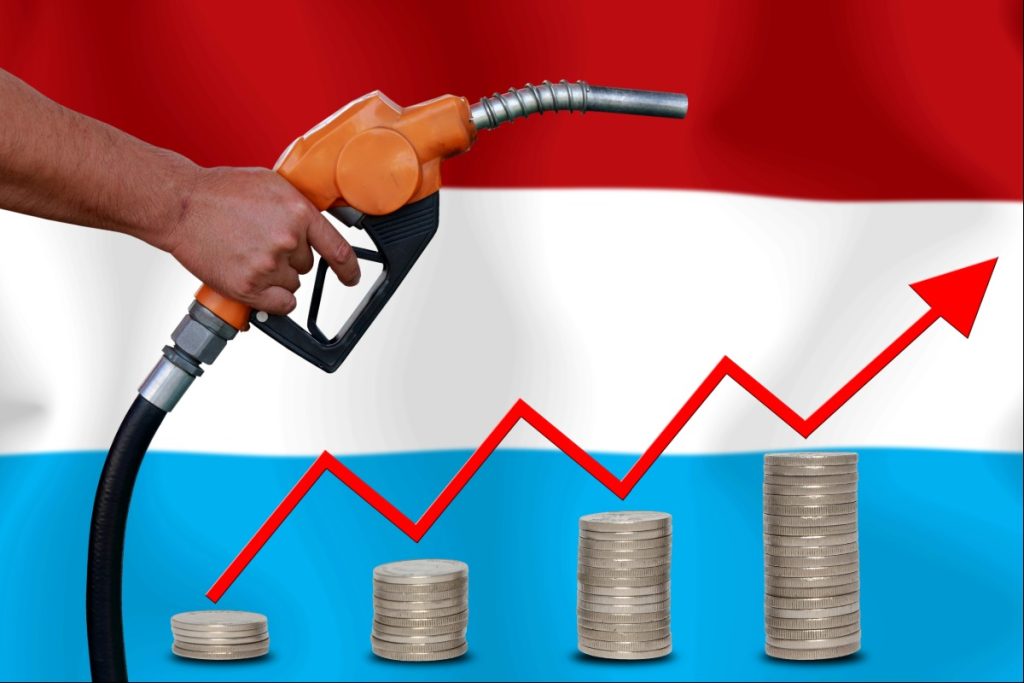
Fuel prices remain volatile in 2025, and that directly impacts food shipping costs. Groceries don’t teleport, they travel thousands of miles, especially imported goods. When gas prices spike, so does your cereal, pasta, and produce. To beat this, buy from nearby sources and look for co-ops that rely on local supply chains. Bonus: less fuel means a smaller carbon footprint.
Related: The $5 Rule Is the Budget Trick You’re Not Using But Should
Global Supply Chains Are Still Disrupted
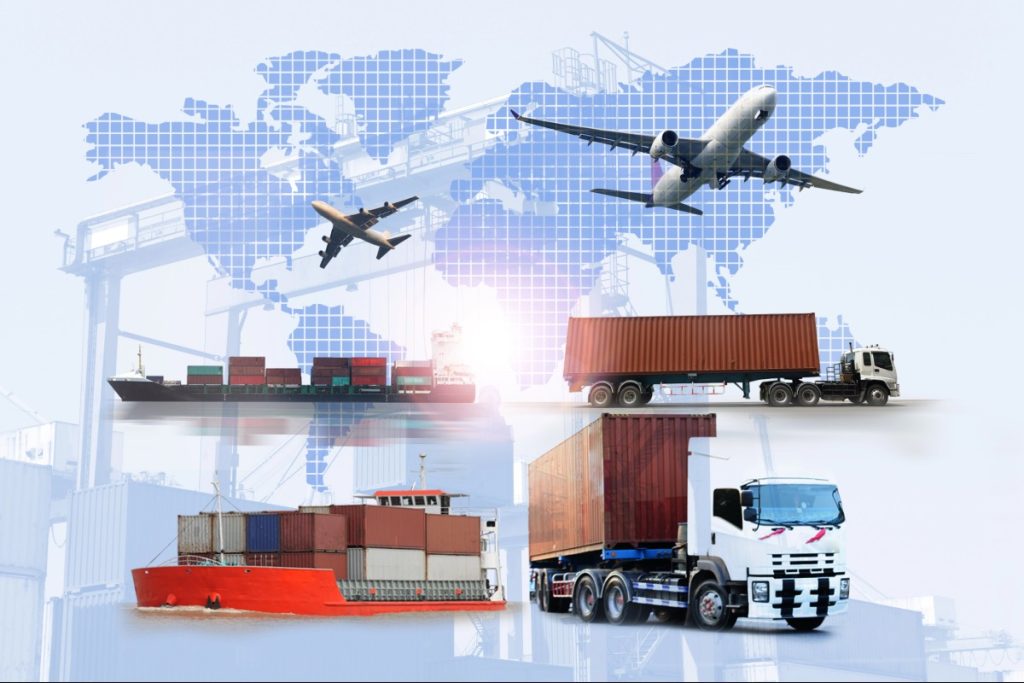
From the pandemic to global conflicts, supply chains haven’t fully recovered. Delays at ports, scarcity of raw materials, and shipping container shortages still plague food production. The result is that items take longer to arrive and cost more by the time they hit the shelf. Stick to generic brands made locally or regionally, they’re less dependent on international logistics.
Related: 12 Money-Saving Swaps Millennials Swear By And You’ll Want to Try Them
Corporate Profiteering Is Real
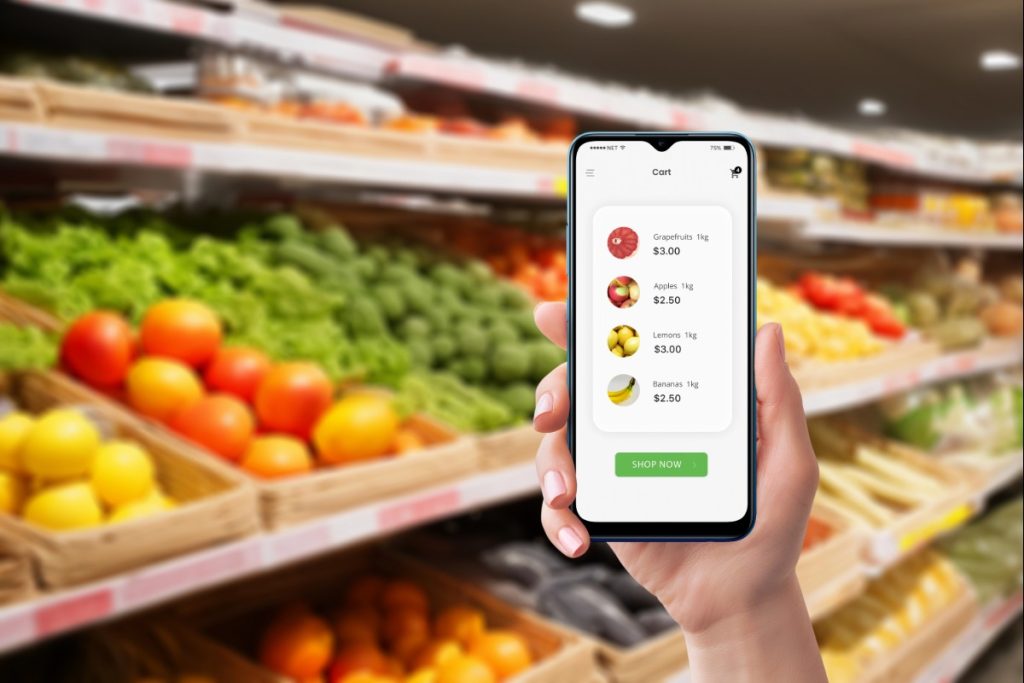
Some major grocery chains and food manufacturers are quietly padding profit margins under the cover of inflation. It’s not just about rising costs, it’s also about strategic price hikes. While the label blames inflation, the real reason is often greed. Protect yourself by comparing unit prices, shopping at discount grocers, and using price-tracking apps to monitor deals.
Related: 12 Side Hustles That’ll Fund Your Dream Budget And Still Leave Room for Pizza
Labor Shortages Are Driving Up Wages

With fewer workers in farms, food processing plants, and distribution centers, companies have to pay more to attract and retain staff. Those higher wages are passed along to you at checkout. Save smart by buying less-processed foods that skip costly labor steps, and think whole produce over pre-cut or boxed meals.
Related: 12 Wild Money Secrets Retirees Wish They Knew About Budgeting
Tired of money feeling messy? Get clear, simple tips for managing your family’s finances, straight to your inbox. Sign Up Here
Packaging Costs Are Up
Cardboard, plastic, and aluminum prices have surged, making it more expensive to wrap up your groceries. Even items that haven’t gone up in value are now more costly to produce. Go for bulk buys with minimal packaging or shop at zero waste and refill stations. Not only will you save money, but you’ll help cut down on environmental waste, too.
Related: Caught in a Spending Spiral? These 12 Triggers Might Be Why
Grocery Shrinkflation Is Sneaky

You’re often paying the same or more for less product. This tactic, known as shrinkflation, means fewer chips in the bag, less juice in the bottle, and smaller cereal boxes. Start reading labels and weights carefully, and choose products that give you the most actual volume for your dollar. Don’t be fooled by flashy packaging.
Technology and Automation Costs
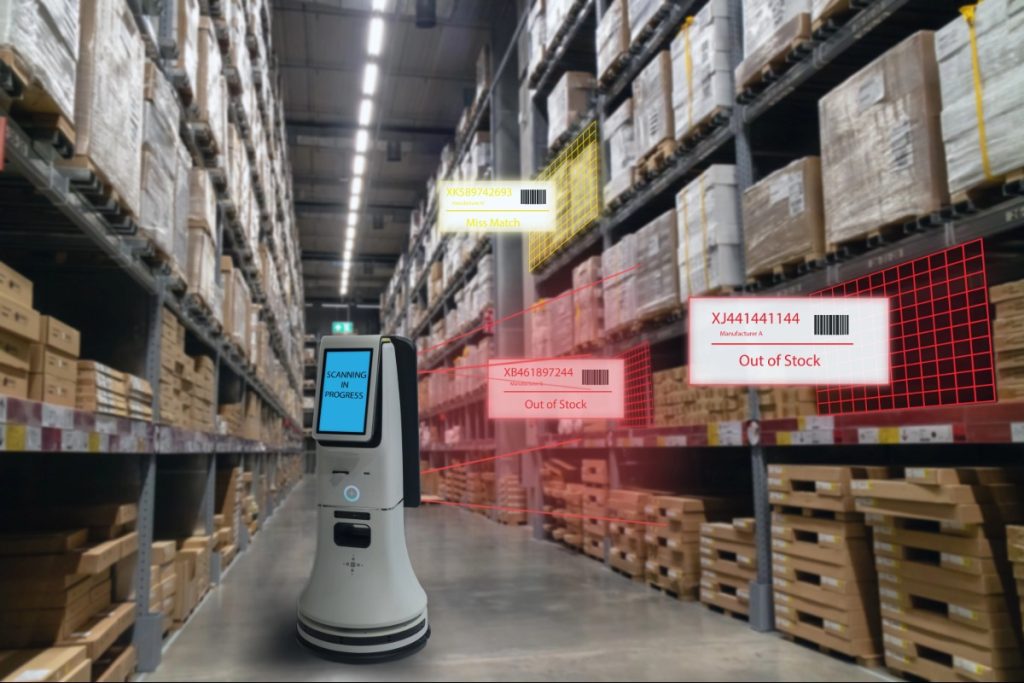
While automation replaces some workers, setting up and maintaining those systems isn’t cheap. Stores using robotic fulfillment, self-checkout AI, and advanced inventory systems charge more to cover those investments. One tip is to shop at smaller, low overhead markets or discount chains that still operate traditionally.
Related: 13 Reasons Personal Loans Are The New “Break Glass In Case Of Emergency” Fund
Brand Loyalty Costs You More

Clinging to name brands often costs you dollars you don’t need to spend. Many store brand or generic products are made in the same factories as the big names, with less expensive labels. Try switching for a week and compare. You’ll likely find that your pantry can stay full without draining your bank account.
Related: 12 Peer- To-Peer Lending Risks Nobody’s Talking About
Health Trends Are Driving Prices Up
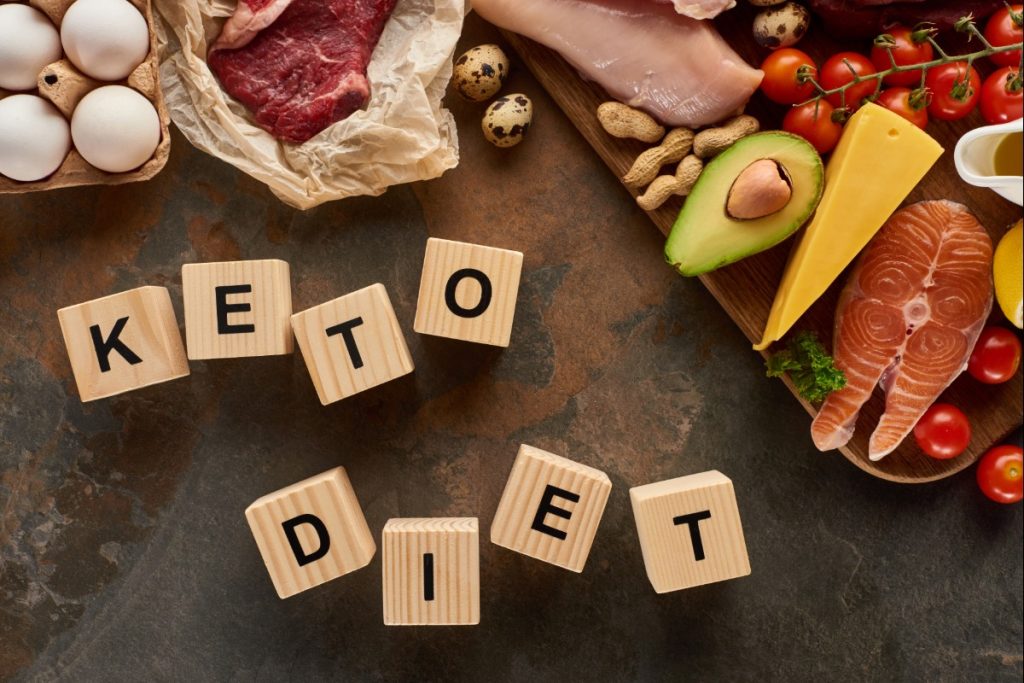
Organic, gluten-free, keto, and other health targeted foods come with a higher price tag, even when they’re only marginally different from standard options. These trends are reshaping grocery shelves and inflating costs. If you’re on a budget, focus on whole, unprocessed ingredients instead of trend based foods that rely on buzzwords.
Want budgeting tips that actually work with a toddler on your hip? This is for you.
Government Food Subsidies Are Shifting

Policy changes have altered which crops and industries receive subsidies, creating ripple effects in pricing. For example, corn may be cheaper, but organic greens might skyrocket. Understanding where subsidies land can help you plan smarter meals. Explore frozen or canned versions of produce, they’re often just as nutritious and far cheaper.
Related: 12 Wild Loan Offers You Can Get If You’re Internet Famous! Seriously!
You’re Shopping Without a Plan

Impulse buying is the silent wallet killer. You’re more likely to buy overpriced, nonessential items without a meal plan or grocery list. Worse, you’ll waste food and spend more later. Beat the system by planning your meals weekly, sticking to your list, and avoiding shopping when hungry. Organization is your secret weapon.
Related: 12 Smart Ways People Are Using Loans To Bury Credit Card Debt For Good
Grocery prices in 2025 are the result of a complex storm, part natural, part economic, part corporate. But just because food is expensive doesn’t mean you have to go broke. There are real ways to cut your bill, from smarter shopping habits and buying local to skipping brand-name traps and embracing bulk bins. In a world where every dollar counts, fighting back against rising food costs is not just possible, it’s essential.
Disclaimer: This list is solely the author’s opinion based on research and publicly available information.
12 Emergency Loans That Could Save You

Life does not always give us a warning before things go sideways and when it does, money is often the first thing we scramble for. Whether it is a sudden medical bill, car trouble or job loss, emergency loans can help you breathe again when things feel tight. But not all loans are created equal and knowing your safest, fastest options can make a huge difference. Here are 12 smart emergency loans that could truly save the day when life throws you off balance.
Read it here: 12 Emergency Loans That Could Save You
12 Reasons Millennials Are Swiping Left On Credit Cards for Loans Instead

Once hailed as the go to financial lifeline, credit cards are now getting ghosted by a generation that is fed up with hidden fees, sky high interest and financial anxiety. Millennials are rewriting the playbook, swiping left on plastic and turning to personal loans, BNPL apps and smarter debt solutions. It is not just about money; it is about control, transparency and a deep mistrust of the old system. This generation is making moves that banks did not see coming.
Read it here: 12 Reasons Millennials Are Swiping Left On Credit Cards for Loans Instead
12 Moments You Should Absolutely Borrow Money And No Guilt Needed

We live in a world that shames debt, but not all borrowing is bad. There are moments when taking out a loan is not just smart, it is strategic. Whether you are chasing a dream, surviving a setback or investing in your future, borrowing can be a bold, guilt free move. Forget the stigma. When done wisely, borrowing is not a weakness; it is empowerment. Here is your permission slip to stop second guessing and start making confident choices.
Read it here: 12 Moments You Should Absolutely Borrow Money And No Guilt Needed
You’ll love these related posts:
- 12 Weird Loan Terms You Didn’t Know Were Negotiable But Totally Are
- 12 Totally Legal Loans That Sound Made Up But Aren’t
- 12 Brutal Truths About What Really Happens When You Default On A Loan
- 12 Legit Ways To Get A Loan Without Ever Stepping Into A Bank
- 12 Rich People Loan Moves You Should Definitely Steal


