12 Brutal Truths About What Really Happens When You Default On A Loan
Missing a loan payment might seem like a small misstep, but defaulting is a financial earthquake. It triggers a chain reaction that hits harder and spreads wider than most borrowers ever imagine. From credit score carnage to constant collection harassment, defaulting flips your financial life upside down. It is not just about late fees and scary emails, it is about losing trust, legal threats and sometimes even your job. Many do not know the full price until it is too late.
Your Credit Score Takes a Nosedive Fast

Defaulting can slash your credit score by 100 points or more within weeks. Suddenly, you are not just a risky borrower, you are radioactive. That dip makes future loans, apartments or even phone plans harder to get. A late payment stays on your report for seven years. If you thought rebuilding credit was easy, ask someone who has been through it.
Collection Agencies Start Calling Relentlessly

Once your loan defaults, your account often gets handed over to debt collectors. They will call you, text you, email you and sometimes even contact friends or family. It is loud, aggressive and emotionally draining. There is no pause button either. If the debt is sold to multiple agencies, the harassment multiplies. Defaulting does not just hurt your wallet, it invades your peace.
You Could Get Sued and Fast

Yes, lenders can sue and many do. A defaulted loan gives them the legal right to drag you into court. If you ignore court notices or do not show up, they could win by default and get permission to garnish your wages or seize assets. Suddenly, it is not just missed payments. It is legal documents, court fees and courtroom anxiety.
Your Wages Could Be Garnished

If a lender wins a lawsuit, they can garnish a portion of your paycheck automatically. That means less take home pay, without any say in the matter. In some states, it can be up to 25% of your disposable income. It hits hard and keeps hitting until the debt is cleared. You think you are broke now, wait until the court takes a chunk of your paycheck every month.
Interest and Fees Pile Up Like Snow

Even after you stop paying, your loan does not stop growing. Interest continues to compound and late fees stack like dominoes. A $5,000 loan can balloon into $10,000 or more in just a year. By the time you are ready to settle, it may feel like you are paying for two loans. The default does not freeze the meter, it hits fast forward.
Cosigners Get Dragged Into the Fire

If someone cosigned your loan, say goodbye to that relationship. The lender will chase them for payment and their credit score will take a hit too. Many people ruin friendships or family ties by defaulting on a cosigned loan. It is not just your problem anymore, it is theirs. They will be furious.
You Might Lose Access to Future Loans
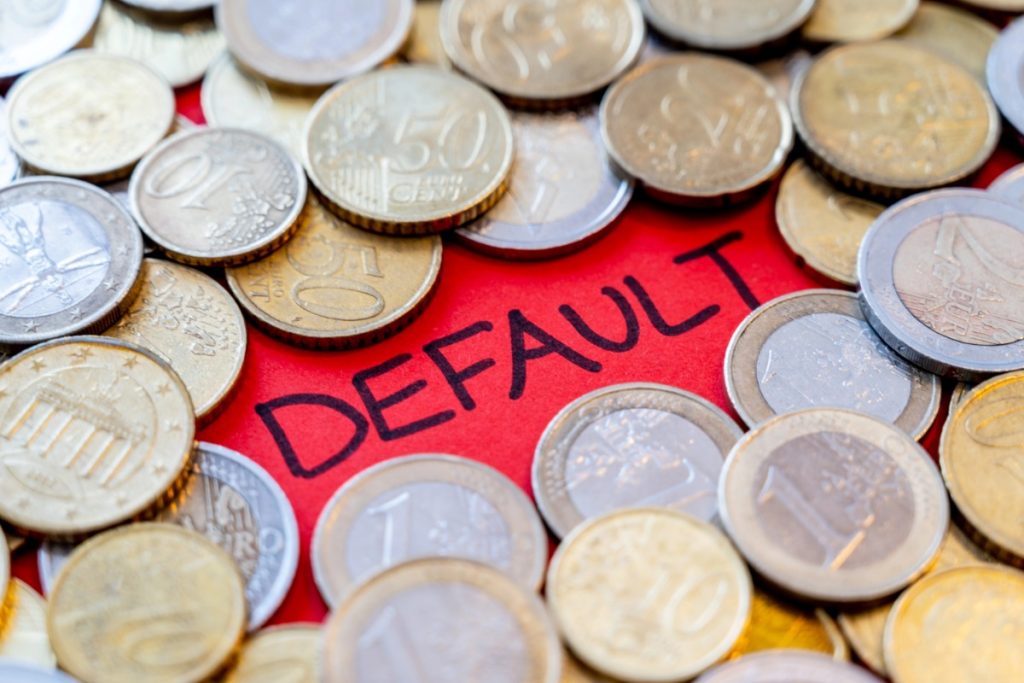
Defaulting brands you as high risk. That can close doors on credit cards, car loans and especially mortgages. Even if you do get approved later, your interest rates will be painfully high. Lenders do not forget. Rebuilding that trust is like convincing someone to date you after you ghosted them mid relationship, it is tough.
Your Assets Could Be Seized, Depending on the Loan Type

If your loan was secured, like an auto loan, the lender can legally take back the item. That means repo trucks showing up at night or foreclosure signs on your door. It is not just embarrassing, it is life disrupting. Even after the asset is seized, you could still owe the difference if they sell it for less than your balance.
Defaulting Could Trigger Cross-Defaults

If you have multiple loans with the same lender, one default can trigger others into default, even if you are current on them. This is called a cross default clause and it is in more contracts than most borrowers realize. It is like falling down one stair and dragging the whole staircase with you. One slip becomes a full collapse.
You Might Struggle to Rent an Apartment

Many landlords run credit checks. A default shows up as a big red flag, especially in competitive rental markets. You could lose your dream apartment or be asked for a huge deposit upfront. One missed loan payment can mean couch surfing or paying double to prove you are trustworthy again. Credit is not just about borrowing, it is about living.
Some Employers Check Credit Reports Too

For jobs involving money, security or leadership, employers sometimes pull your credit. A default can make you look irresponsible, even if you are qualified. You might not get hired or worse, lose a job offer. The idea of your loan haunting your career feels harsh, but it is a reality many learn too late.
It Can Take Years to Recover Emotionally and Financially

Even after you settle the debt or rebuild your credit, the emotional weight lingers. Shame, stress and anxiety become part of your financial story. Many people report long term mental health struggles after defaulting. Recovery is possible, but it takes time, discipline and often therapy. The effects are not just financial, they are personal.
Defaulting on a loan does not just end with missed payments, it begins a financial avalanche. It wrecks credit, invites lawsuits, ruins relationships and hijacks your income. The truth is brutal because the consequences are brutal. While some bounce back, most wish they had acted sooner, asked for help, negotiated with lenders or simply paused and planned. So if you are nearing default, do not go silent. There are alternatives.
Disclaimer: This list is solely the author’s opinion based on research and publicly available information.


