12 Ways Tipping Culture Is Driving Up Your Daily Costs
Tipping used to be a gesture of gratitude, but now it’s become an expectation almost everywhere you go. From your morning coffee to a simple self-checkout transaction, prompts to tip 15%, 20%, or even 30% are everywhere. As digital payment systems make it easier to ask for tips, many Americans feel pressure to tip in places they never did before.
Coffee Shops Are Prompting for 20%—on a $4 Order
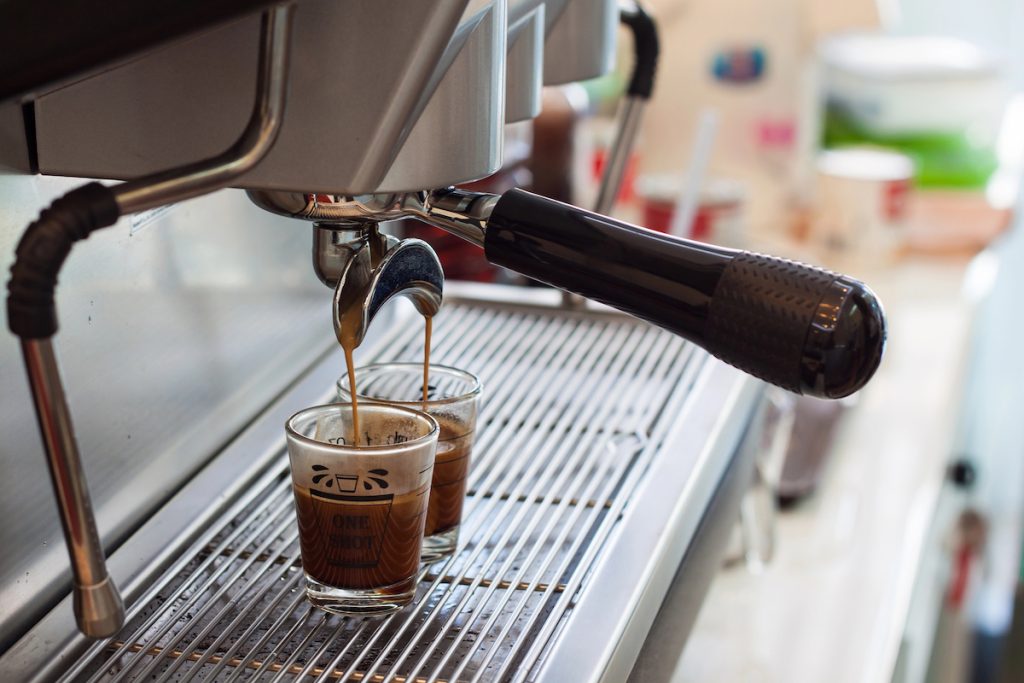
Grabbing a latte used to be a $4 habit. Now, with the tip screen flashing before you can even tap your card, that morning ritual often ends up closer to $5. Tip prompts for baristas have become the norm, even for simple to go orders. While tipping generously supports low wage workers, it also adds up quickly when it’s a daily routine. Saying “no tip” can feel uncomfortable in front of waiting staff or customers behind you.
Food Delivery Apps Suggest 25% Tips by Default

Apps like DoorDash, Uber Eats, and Grubhub automatically set default tips at 20–25%, often before you even see your final total. When combined with service fees, taxes, and delivery charges, a $15 meal can cost upwards of $25. Consumers often tip more out of guilt or fear of slower service. Since the app’s design makes adjusting tips feel like a hassle, most people leave the suggested amount.
Related: 12 Reasons The Emergency Fund Rule Is Officially Outdated
Self-Checkout Kiosks Are Asking for Tips

One of the most surprising changes is being asked to tip when you do all the work yourself. Self-checkout kiosks at frozen yogurt chains, salad bars, and even airport snack stands often request gratuities before you complete your purchase. There’s no employee interaction, yet the machine suggests 15–20%. Most consumers feel cornered, especially if the employee is still within eyesight.
Related: 6 Figure Salary And Still Broke? Here’s why
Sit-Down Restaurants Now Expect 25% as the “Standard”

What was once considered a generous 20% tip is now merely average in many restaurants. Menus and payment screens increasingly prompt for 25% or even 30%, making diners feel obligated to keep up. This new norm inflates the cost of dining out significantly. A $100 meal can easily become $130 or more after tax and tip.
Related: 12 States And 12 Different Retirement Budgets In The U.S
Tip Jars Are Everywhere—Even at Non-Service Counters

It’s not unusual to see a tip jar at a juice bar, bookstore, or even a clothing boutique. While these used to be reserved for exceptional service, now they’re more like an open request, even when no hands-on help is provided. The psychological cue of a visible tip jar can make customers feel obligated to toss in a dollar or two, especially if staff are watching.
Related: 12 Reasons Budgeting Apps Might Be Failing Us In 2025
Tired of money feeling messy? Get clear, simple tips for managing your family’s finances, straight to your inbox. Sign Up Here
Subscription Boxes Now Prompt for Driver Tips

From meal kits to pet supplies, many subscription services now include delivery tips in the checkout process, even though it’s a scheduled service. These “recommended tips” aren’t for restaurant quality service but for warehouse or delivery workers. While supporting workers is important, it’s a cost that never used to exist for scheduled, paid delivery.
Related: 12 Things Gen Z Regrets Not Investing In At Their 20s
Salons and Spas Push Tipping Through Digital Checkout

Beauty services were always tip friendly, but now even receptionists hand you a screen suggesting 25% before you’ve had a chance to evaluate the service. Some salons have even included recommended tip guides on their websites or receipts. When you’re spending $200 on hair coloring or skincare, adding a 25% tip means a $50 hike.
Hotel Housekeeping Tips Are Becoming Expected

Once considered optional or generous, tipping hotel housekeeping staff is now more openly expected, with suggested envelopes or digital notices on your room TV. Some chains are even including tip prompts on their mobile apps at checkout. This increases your hotel budget subtly but significantly, especially over longer stays. Travelers often feel morally compelled to tip, even if service is minimal or daily cleaning wasn’t provided.
Related: 13 Money Personalities And What They Reveal About You
Tipping on Alcohol or Wine Flights Adds Up Fast

Bars and tasting rooms often include tip suggestions based on the entire tab, including pricey alcohol. That means a wine flight or high end cocktail round, already expensive, comes with an added 20–30% suggestion. Even when service is minimal, like just pouring drinks or offering a brief intro, tipping prompts remain high. This can dramatically increase what you thought was a casual night out.
Related: 12 Millionaire Money Habits That Never Get Skipped
Rideshare Apps Now Suggest Tips Pre-Trip

Uber and Lyft used to prompt for tips after the ride. Now, some versions of the app suggest tipping even before you’re picked up. It’s a psychological tactic, riders often feel obligated to “prepay kindness” in hopes of better treatment. This shifts tipping from a post-service reward to a pre-service expectation, warping the concept entirely.
Want budgeting tips that actually work with a toddler on your hip? This is for you.
Curbside Pickup Orders Include Tip Prompts

You drive to the store, walk to the pickup area, and grab your own bag, but the app still asks you to tip. This has become common for grocery chains and restaurants offering curbside or in-store pickup. While it’s meant to support staff who assemble orders, the customer does much of the work. The tip screen, however, doesn’t reflect that nuance.
Related: 12 Shocking Financial Shifts Everyone’s Talking About
Tipping Expectations at Small Local Events

Even at small farmers markets, art fairs, or pop-up food stalls, digital payment screens now include tip options. These events, once known for community spirit and casual pricing, now reflect the wider tipping trend. Vendors often rely on tips to offset low prices, but as a customer, you might find yourself tipping at every booth you visit.
Related: 12 Huge Credit Score Myths That Are Quietly Costing You Thousands
Tipping culture has expanded far beyond traditional hospitality into nearly every corner of daily life. What began as a way to reward good service is now an often awkward expectation, sometimes disconnected from the service experience entirely. From guilt-induced decisions to pre-selected digital prompts, the cumulative impact on your budget is real. As consumers, awareness is the first step toward regaining control.
Disclaimer: This list is solely the author’s opinion based on research and publicly available information.
12 New Investing Playbooks People Actually Use

Forget the old school stockbroker suits and “buy and hold until you retire” mindset; today’s investors are writing their own rules. From teens trading ETFs in between classes to side hustlers flipping NFTs and parents buying fractional real estate, investing has become more personal, accessible, and flexible than ever. The traditional playbooks have cracked wide open, replaced by strategies built on lived experience, digital access, and a hunger for control.
Read it here: 12 New Investing Playbooks People Actually Use
13 Truths About Real Life Budgeting You Never Hear

Real life budgeting is not pretty, polished or always Instagrammable. It is messy, emotional and often full of silent victories no one claps for. Forget the spreadsheets that promise perfection, actual budgeting means sweating over groceries, skipping plans and choosing between two essentials. It is waking up in the middle of the night, wondering if you will make rent and remembering you forgot to cancel that trial subscription.
Read it here: 13 Truths About Real Life Budgeting You Never Hear
12 Ways Living Within Your Means Looks Different Now

“Live within your means” used to be a simple phrase: spend less than you earn, save the rest and avoid debt. But in today’s economy, that advice feels like it is been flipped, stretched and digitally remixed. With rising costs, side hustle culture and the pressure to keep up on social media, living within your means is not about just skipping lattes anymore, it is about redefining what financial balance even looks like.
Read it here: 12 Ways Living Within Your Means Looks Different Now
You’ll love these related posts:


