13 Reasons Why Americans Are Giving Up On Retirement
Retirement was once the finish line, a reward after decades of hard work. But for millions of Americans today, that dream feels more like a fading mirage. The promise of golden years spent traveling, relaxing, or simply enjoying time without financial stress is replaced by anxiety, second jobs, and a quiet resignation that retirement might never come. Ever wondered why? Here are 13 reasons why Americans are giving up on retirement.
Skyrocketing Cost of Living

From rent to groceries to medical expenses, the cost of living has outpaced wage growth for decades. Many Americans simply can’t save enough to keep up. Even middle-class earners feel squeezed, unable to stretch their income far enough to plan for the future. Retirement becomes an unaffordable luxury.
Stagnant Wages Despite Hard Work

Even as productivity has increased, wage growth has remained frustratingly flat for millions of workers. Many Americans work harder and longer without seeing real raises. This leaves little to no room for retirement contributions. When every paycheck is needed for immediate expenses, saving 20 or 30 years is impossible.
Related: 12 Reasons Why Rich People Won’t Admit How They Really Got Wealthy
Crushing Student Loan Debt

It’s not just the younger generation feeling the student loan crisis. Many older Americans are still paying off their own loans or their children’s. These debts follow people into their 50s, 60s, and beyond, draining retirement accounts before they grow. For some, retirement isn’t about relaxing, it’s about figuring out how to pay Sallie Mae with Social Security.
Related: Gen Z Vs Boomers On Tipping Culture! Who’s Really In The Wrong?
Vanishing Employer Pensions

Defined-benefit pensions are now rare relics, replaced by riskier 401ks that shift the burden to the worker. Many Americans nearing retirement age never had access to stable pensions or watched them get frozen or underfunded. Without guaranteed income, retirement becomes a gamble.
Related: 12 Reasons Why Living Paycheck to Paycheck Is the New Normal for Millions
Delayed Homeownership and Equity Building

Homeownership used to be the cornerstone of retirement wealth. But younger Americans are buying homes later, or not at all, thanks to high prices and stagnant wages. Without home equity, they’re missing a key wealth-building tool. Renters often spend more monthly without building an asset.
Related: How One Hundred Dollars Really Stretches Across 12 US Cities
Tired of money feeling messy? Get clear, simple tips for managing your family’s finances, straight to your inbox. Sign Up Here
Healthcare Costs are out of Control

Even with Medicare, out of pocket expenses for healthcare in retirement can be overwhelming. Prescription drugs, insurance premiums, and unexpected medical events can drain savings fast. The fear of illness becomes a financial threat. Many older adults are forced to work longer to keep their employer-sponsored health plans.
Related: 12 Things Americans Are Cutting To Survive Inflation Right Now
Social Security Feels Uncertain

Although Social Security isn’t going away soon, concerns about its long-term solvency have created panic. Younger Americans especially worry that the system won’t be there when they need it. This distrust leads some to stop planning for retirement altogether. If the safety net seems shaky, why plan around it?
The Gig Economy doesn’t offer Retirement Benefits

Many lack access to retirement plans, with more Americans freelancing, driving for ridesharing, or juggling side gigs. Gig workers often don’t receive 401ks, health insurance, or paid time off. Their income can also be unpredictable, making consistent saving hard. For this growing workforce, retirement is a vague concept, one that doesn’t fit into a hustle-based lifestyle.
Related: 15 Insane Ways People Are Quitting Their 9 To 5 Jobs
Family Support Responsibilities Drain Savings

Many Americans support their families well into their retirement years, whether through aging parents or adult children. Caregiving costs time and money, two things retirement depends on. Those sandwich-generation adults find themselves stuck: helping others stay afloat while sinking themselves.
Related: The Truth About Financial Anxiety And Why Gen Z Feels It Most
Rising Housing and Rent Prices eat Income
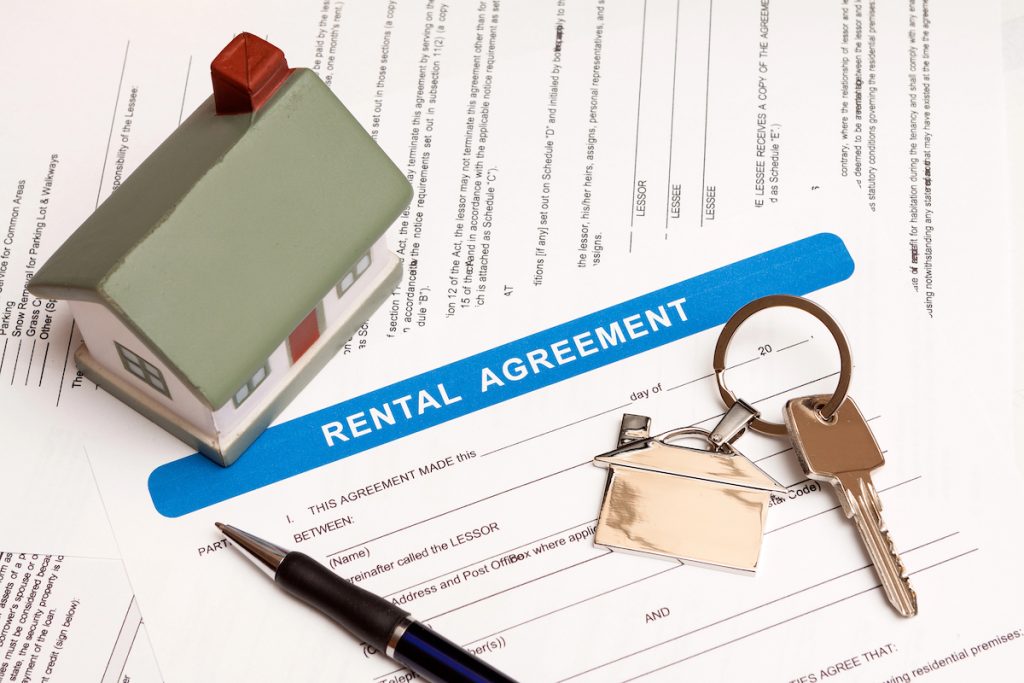
Housing costs have surged across the country, from urban centers to small towns. Many retirees or soon to be retirees still rent or hold large mortgages. These monthly expenses eat up any money that could have gone into savings. As home values climb, so do property taxes, insurance, and upkeep, turning homes from assets into financial burdens.
Want budgeting tips that actually work with a toddler on your hip? This is for you.
Retirement Age keeps Creeping up

Many Americans feel they’ll never retire, because the finish line keeps moving. Whether it’s due to financial need, poor planning, or shifting social norms, people are working into their 70s and beyond. The image of retirement at 65 feels outdated. For many, no age feels “safe” to stop working, only the fear of running out of money if they do.
Related: 12 Reasons Why Buying A Home Before 30 Is Now Just A Myth
Financial Literacy Gaps Leave People Behind

A lack of financial education has left many Americans unprepared for long-term planning. People don’t know how to invest, budget effectively, or understand compound interest. By the time they realize the importance of retirement savings, they feel it’s too late. Without guidance, they’re left navigating complex decisions with no map, and often give up trying.
Related: What $300k Gets You In 12 US States
They Simply don’t trust the System

Banks, Wall Street, and the government have all lost credibility in the eyes of many Americans. Some have grown cynical after watching recessions, layoffs, and crashes wipe out savings. They no longer believe the system is built to help them retire, it’s built to keep them working. That loss of faith drives apathy, even despair, when it comes to retirement.
Related: Why Loud Budgeting Is Blowing Up And What It Really Means
The American retirement dream is reshaped by harsh realities, economic upheaval, and changing mindsets. For many, it’s not about giving up, it’s about adapting. Whether it’s working longer, redefining what retirement looks like, or simply surviving without it, millions are rewriting the endgame. But this trend also sends a powerful message: the system needs to change.
Disclaimer: This list is solely the author’s opinion based on research and publicly available information.
13 Ways To Save For Retirement Without Doing What Your Parents Did

Retirement planning is evolving, and many traditional approaches your parents relied on may no longer serve you best. The financial landscape has changed dramatically, with longer lifespans, fluctuating markets, and new technologies shaping how we build wealth. Clinging to old retirement saving habits like solely relying on pensions, Social Security, or fixed income investments could limit your future financial security.
Read it here: 13 Ways To Save For Retirement Without Doing What Your Parents Did
12 Surprising Truths From Thirty Year Olds Who Already Retired

Retiring in your 30s may sound like a distant dream, but a growing number of individuals are making it a reality. Through strategic financial planning, disciplined saving, and a shift in mindset, many have achieved early retirement. Here are 12 insights from those who have leaped:
Read it here: 12 Surprising Truths From Thirty Year Olds Who Already Retired
12 States And 12 Different Retirement Budgets In The U.S

Retirement in America is no longer a one size fits all dream, it is a state by state strategy. From the sun drenched coastlines of California to the quiet charm of Pennsylvania’s small towns, where you choose to settle down deeply shapes what your retirement dollars can buy. While some states lure you in with no income tax and low living costs, others tempt with lifestyle luxuries that come at a premium.
Read it here: 12 States And 12 Different Retirement Budgets In The U.S
You’ll love these related posts:


