Inside The Lives Of Americans Surviving On Just Two Dollars A Day
In the world’s wealthiest nation, a rising number of citizens are living on less than the price of a cup of coffee, not for a day or a week, but indefinitely. They are not just unemployed or “down on their luck.” Many are working, raising children, and surviving. Living on $2 a day is not just a financial situation, it is a relentless grind of resilience, shame, ingenuity, and survival.
The Struggle for Shelter Is a Daily Negotiation
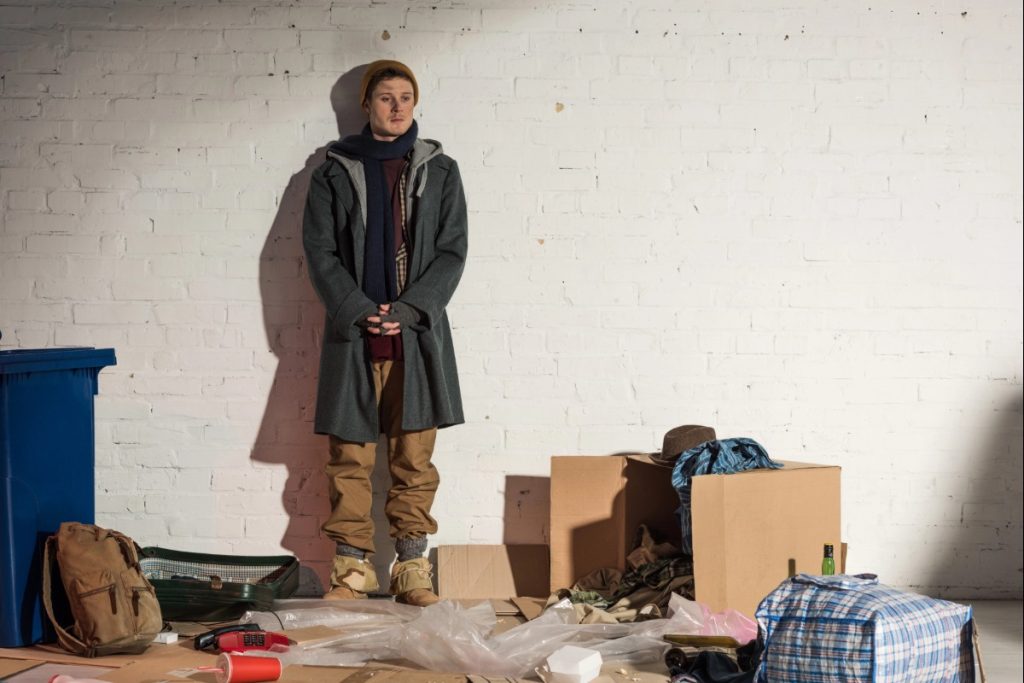
For people living on $2 a day, stable housing is a luxury, not a given. Rent is out of reach, security deposits are impossible, and even applying for housing requires fees and documents that they often do not have. The result is constant movement, no address, and zero peace of mind.
Food Insecurity Means More Than Hunger, It Means Deprivation
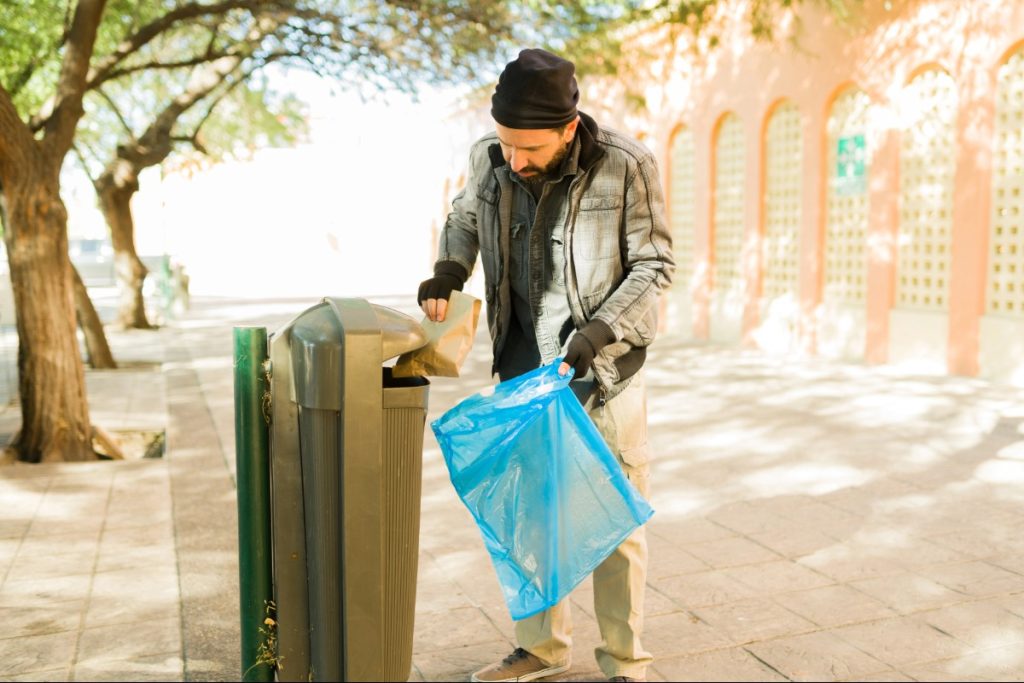
Every meal is a question mark. Many rely on expired groceries from food pantries, gas station snacks, or fast food leftovers from trash bins. Nutritious food is rare, and dignity is often sacrificed to feed a child. Hunger is not episodic; it is chronic, gnawing, and an ever-present part of the day.
Related: 12 Money Tips for Living Large on One Income
Work Exists, But It’s Precarious and Underpaid

Most are not unemployed by choice. They take jobs without contracts, protections, and often no guaranteed pay, cleaning homes, babysitting, yard work, or day labor. Some earn $20 for a 10-hour day. Others are promised cash and never receive it. They keep going anyway, because tomorrow’s meal depends on today’s hustle.
Related: 12 Genius Ways To Teach Kids About Money In A Screen-Obsessed World
The System Fails Those Who Need It Most

Safety nets like SNAP, housing assistance, or Medicaid are full of red tape. One wrong form, missed call, or a lack of internet means benefits vanish. And for undocumented individuals or those with criminal records, these lifelines do not exist at all. Survival becomes a private burden carried in silence.
Related: 12 Ways Financial Therapy Is Quietly Healing Bank Accounts Everywhere
Children Are Paying the Highest Price
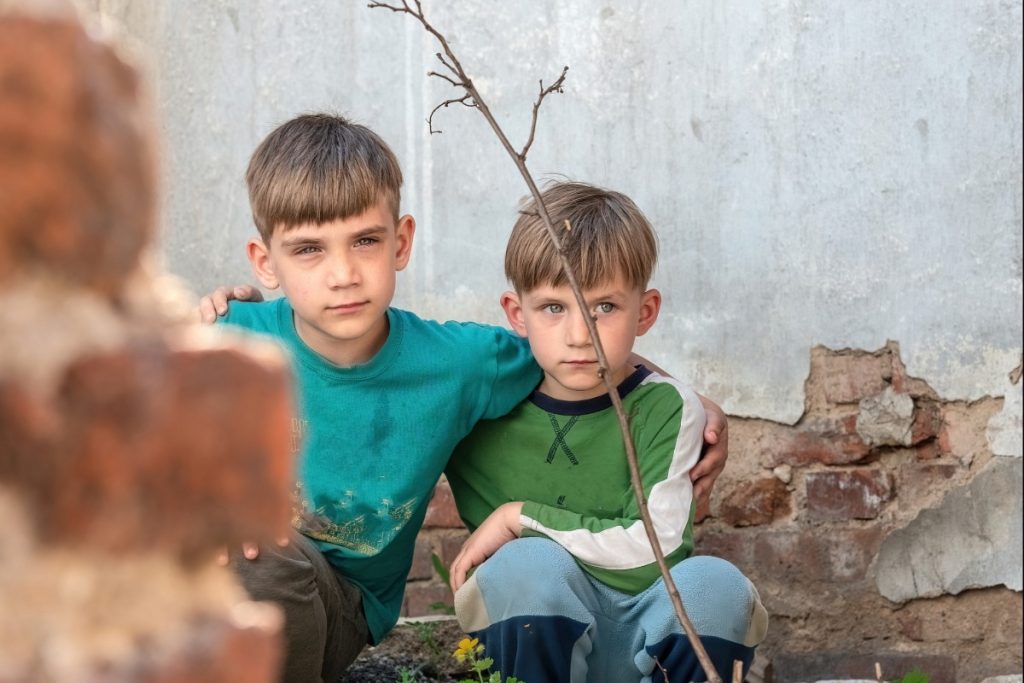
In these households, children grow up fast. They see their parents skip meals. They learn not to ask for things. They feel the stress of poverty even if they cannot name it. Many fall behind in school due to frequent moves, lack of internet, or the need to care for siblings while parents work. Their dreams shrink under the weight of survival.
Related: 14 Wild Money Rituals From Around The Globe You’ve Never Heard Of
Tired of money feeling messy? Get clear, simple tips for managing your family’s finances, straight to your inbox. Sign Up Here
Health Issues Go Unchecked Until It’s Too Late
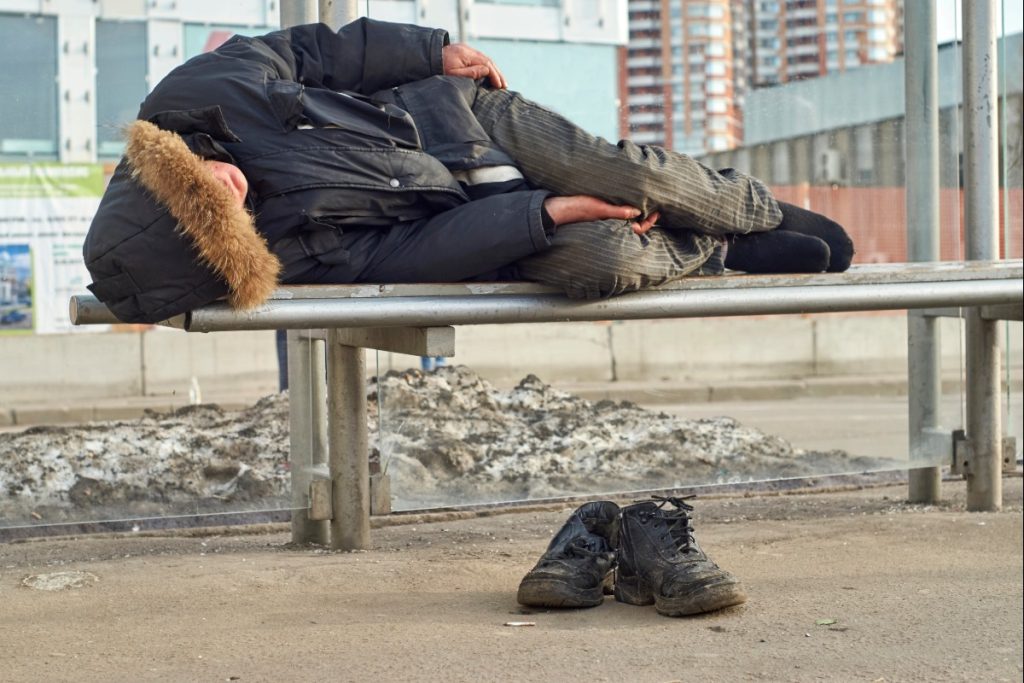
A minor toothache can turn into an abscess. A cut can become infected. A fever can turn deadly. With no insurance, transportation, and money, most avoid doctors until it is an emergency. Hospitals become last resorts, and medical debt becomes another layer of hardship they will carry for years.
Related: 14 Money Minimalism Tricks That Feel Like a Total Life Detox
Mental Health Struggles Are Widespread and Unspoken

The emotional toll of extreme poverty is immense. Anxiety, depression, and hopelessness are all common but untreated. There’s no space to grieve, process, or heal. When every day is about survival, mental health care feels like a luxury from another world.
They Live in Constant Risk of Exploitation
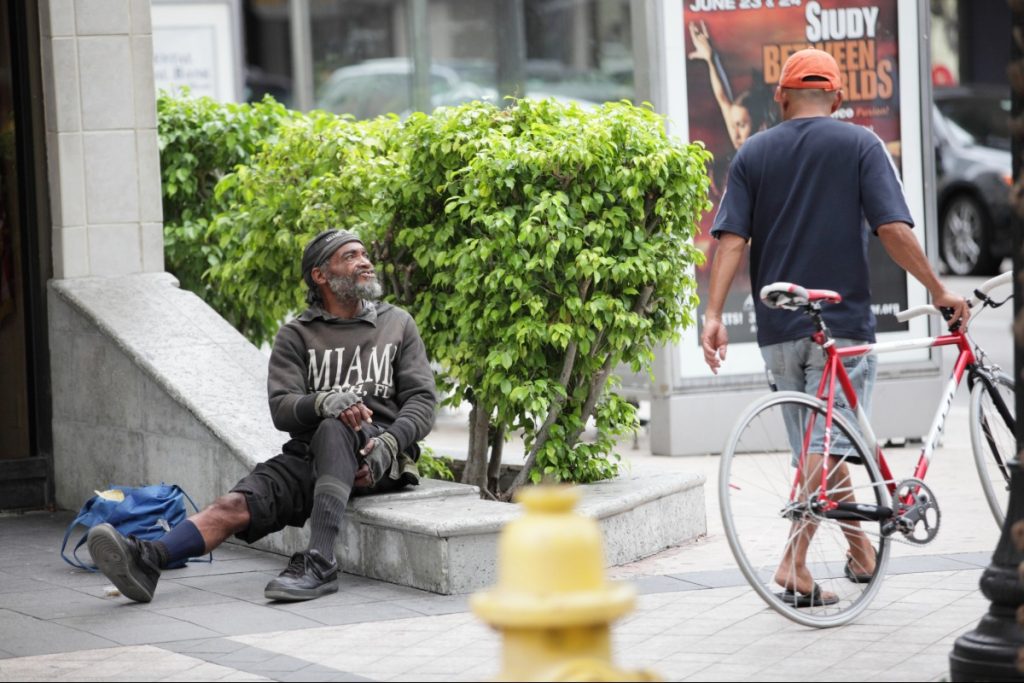
Without legal protections or economic power, they are easy targets. Employers exploit their desperation. Landlords extort them for unlivable spaces. Even well meaning people sometimes impose judgment or pity that deepens their isolation. Their silence is not consent; it is survival.
Related: 12 Countries That Teach Kids About Money Way Better Than We Do
Public Services Are Inaccessible or Inhospitable
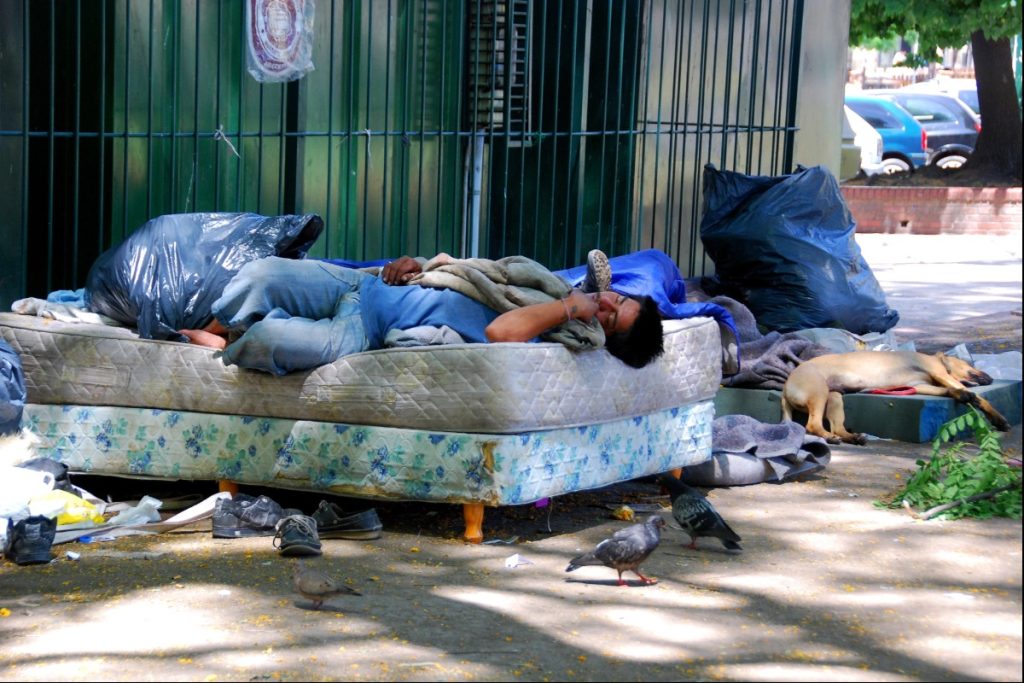
Libraries, job centers, and even public restrooms are often out of reach, geographically or culturally. Many feel unwelcome, watched, or criminalized. A lost ID can take months and money to replace, delaying access to everything from shelter to a bank account. Every barrier is another wall between them and basic dignity.
Related: 15 Gen Z Money Moves That Might Just Rewrite The Rules Of Rich
They’re Creative, Resourceful, and Constantly Problem Solving
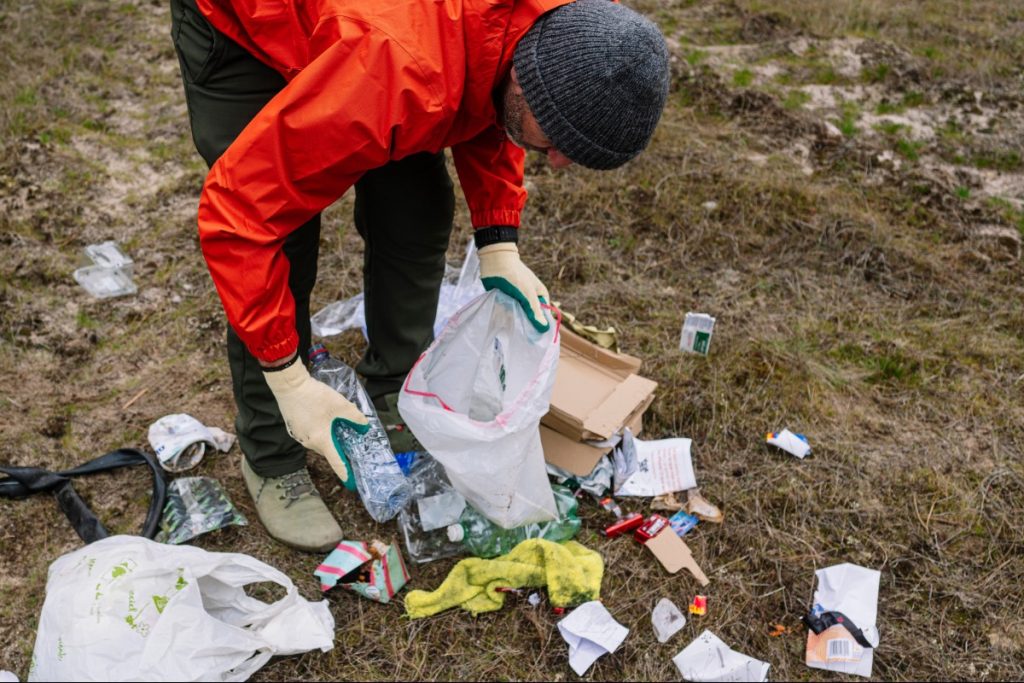
Surviving on $2 a day requires more ingenuity than most people imagine. It means bartering food stamps for soap, collecting cans for cash, or braiding hair in exchange for a meal. They live without what most consider essential, but make do with remarkable resilience. Survival is a full time job they never clock out of.
Want budgeting tips that actually work with a toddler on your hip? This is for you.
They Are Not Who You Think
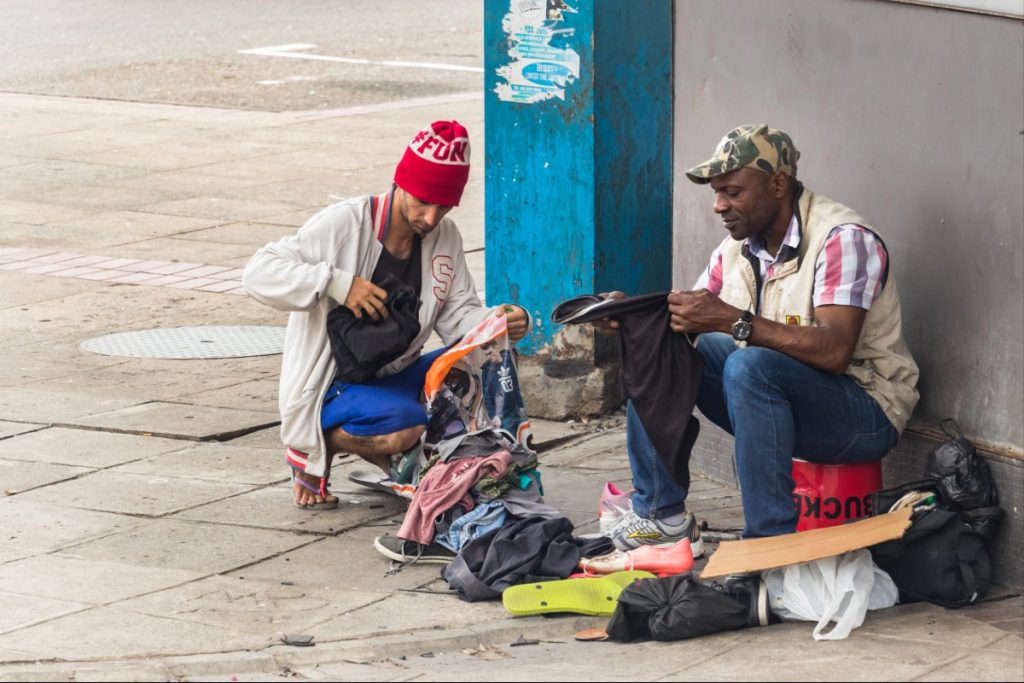
They are not lazy or uneducated. They are seniors on Social Security that does not stretch. They’re mothers fleeing abuse, veterans, teens aged out of foster care, and gig workers without contracts. Many once had middle class jobs, health insurance, and homes. One crisis, illness, layoff, or eviction, was enough to unravel it completely.
Related: 14 Retirement Mistakes That Could Cost You Everything
They’re Invisible, But Not Rare

You have likely passed someone living this way today, on a bus, at a gas station, or in line behind you at the grocery store. Their poverty does not always look like Hollywood’s version. It is hidden behind clean clothes, forced smiles, and practiced stories to avoid shame.
Related: 13 Silly Mistakes Americans Waste Fifteen Hundred Dollars On Every Year
To survive on $2 a day in America is to live in a nation that values productivity but not always people. It is waking up every day knowing you will have to fight for the basics others take for granted, food, shelter, safety, and respect. It is knowing the system is not broken, it is working exactly as it was built. For some to thrive, others must be forgotten.
Disclaimer: This list is solely the author’s opinion based on research and publicly available information.
13 Finance Red Flags Americans Keep Ignoring Until It’s Too Late

In a nation where financial literacy often takes a backseat, many Americans overlook subtle yet critical warning signs that can lead to long term financial distress. Recognizing these red flags early can be the difference between financial stability and hardship. Here are 13 financial red flags that are frequently ignored until it is too late.
Read it here: 13 Finance Red Flags Americans Keep Ignoring Until It’s Too Late
14 Retirement Mistakes That Could Cost You Everything

Retirement should be your golden era, the time when you finally exhale and enjoy the rewards of decades of hard work. But for too many people, it becomes a stressful wake-up call. All it takes is a few missteps in delaying savings, misjudging healthcare costs, underestimating inflation and suddenly, you’re staring down a future that doesn’t look secure. These aren’t minor mistakes; they’re deal-breakers. If you’re dreaming of a retirement that’s free of financial anxiety, these are the 14 critical mistakes you need to avoid before they drain your savings and derail your future.
Read it here: 14 Retirement Mistakes That Could Cost You Everything
14 Signs You’re Spending Like You’re Richer Than You Are

In a world of flashy lifestyles and social media perfection, it is easy to fall into the trap of spending beyond your means. The illusion of wealth often leads people to adopt habits that do not align with their actual income. While it may feel empowering in the moment, these patterns can quietly sabotage long-term financial stability. If any of these signs sound familiar, it might be time for a money mindset reset.
Read it here: 14 Signs You’re Spending Like You’re Richer Than You Are
You’ll love these related posts:


