13 Crazy Budget Hacks That’ll Outsmart Inflation And Save You Big Bucks
Inflation is squeezing wallets nationwide, but savvy individuals are fighting back with unconventional budget hacks. From viral TikTok challenges to ingenious grocery strategies, these creative methods can help you stretch every dollar. Whether you are looking to save on daily expenses or boost your financial resilience, these tips offer practical solutions. Dive into these 13 innovative hacks to outsmart inflation and keep more money in your pocket.
The “Treat Yourself Tax”

For every non essential purchase, be it a $5 latte or a $50 gadget, match the amount by transferring it into your savings. This method curbs impulse spending and builds your savings simultaneously. Financial planner Nadia Vanderhall champions this approach for promoting mindful spending. It is a guilt free way to indulge while staying financially responsible.
The 6-to-1 Grocery Shopping Method

Chef Will Coleman’s strategy involves buying six vegetables, five fruits, four proteins, three starches, two sauces or spreads and one fun item per shopping trip. This formula encourages balanced, cost effective meals and reduces food waste. It is a simple yet effective way to streamline your grocery shopping.
Related: 13 Global Money Rules That Actually Make More Sense Than Ours
Yellow Sticker Shopping

Seek out discounted items nearing their expiration dates, often marked with yellow stickers. These products are perfect for immediate consumption or freezing for later use. One savvy shopper reduced her weekly grocery bill by half using this method.
Related: 12 Digital Money Rules Every Millennial Is Following And You Should Too
The 100 Envelopes Challenge

Label 100 envelopes with numbers 1 to 100 and randomly select one daily, depositing the corresponding amount of cash. Over time, you will save $5,050. This gamified approach makes saving money engaging and goal oriented.
Related: 14 Money Minimalism Tricks That Feel Like a Total Life Detox
Bulk Buying Once a Year

Conducting a massive shopping trip annually to stock up on essentials can lead to significant savings. By purchasing items like toiletries and non perishable foods in bulk, you minimize frequent store visits and capitalize on discounts. One mother of four saves thousands each year with this strategy.
Related: 15 Gen Z Money Moves That Might Just Rewrite The Rules Of Rich
Foil Behind Radiators
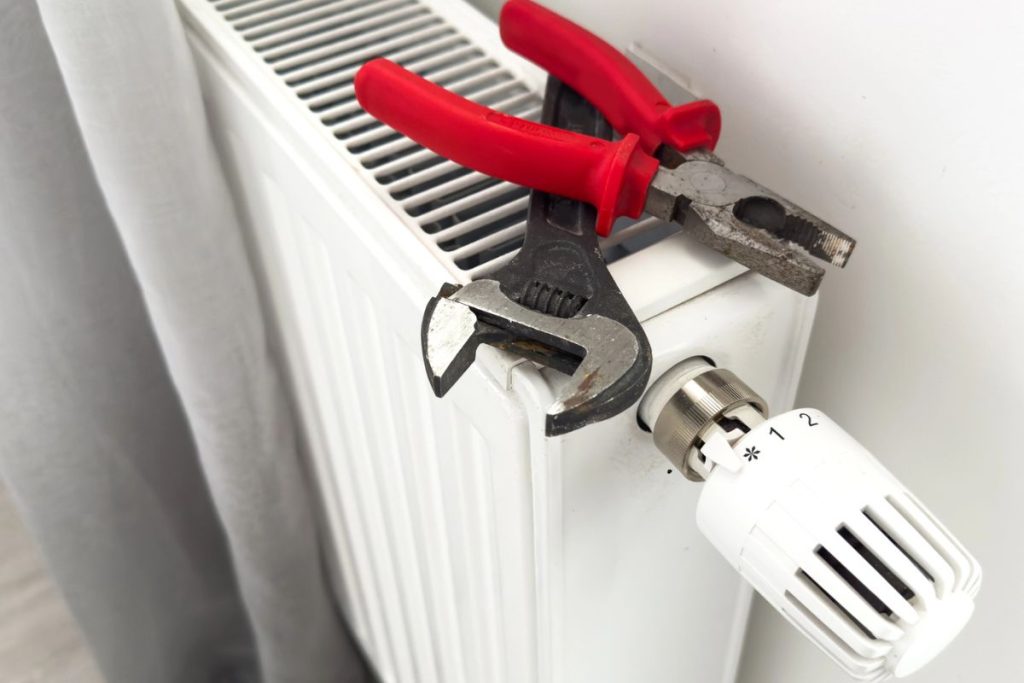
Placing tin foil behind radiators reflects heat into the room, improving energy efficiency. This simple hack can reduce heating bills during colder months. It is a cost effective way to keep your home warm without cranking up the thermostat.
Related: 12 Countries Schooling the U.S. on Teaching Kids About Cash
Subscription Audit

Review all your subscriptions, streaming services, apps, memberships and cancel those you no longer use. Utilize apps like Trim or Rocket Money to identify and manage recurring charges. Eliminating unnecessary subscriptions can free up funds for more essential expenses.
Urban Farming

Growing your own vegetables and herbs at home can significantly cut grocery costs. Even small scale urban farming, like container gardening, contributes to food savings. It is a sustainable and rewarding way to supplement your diet.
Related: 12 Wealth Hacks No One Tells Low-Income Earners But Should
High-Yield Savings Accounts

Inflation erodes purchasing power, but high yield savings accounts offer better interest rates to combat this. Look for accounts with competitive APYs and no monthly fees. Online banks often provide higher rates due to lower overhead costs.
Related: 12 Ways Financial Therapy Is Quietly Healing Bank Accounts Everywhere
Secondhand Shopping

Opt for pre-owned items when possible, clothing, furniture and electronics to save money. Thrift stores, online marketplaces and community swaps are excellent resources. Buying secondhand reduces expenses and environmental impact.
Related: 12 Genius Ways To Teach Kids About Money In A Screen-Obsessed World
Energy Efficiency Measures
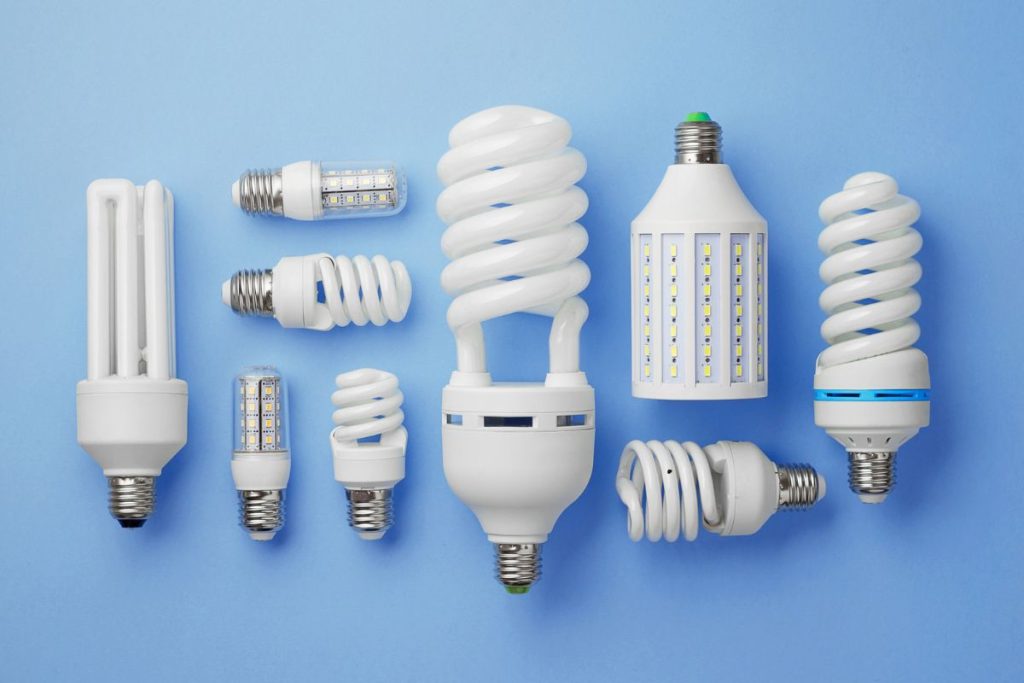
Implementing energy saving practices, like using LED bulbs and unplugging unused electronics, lowers utility bills. Adjusting your thermostat by a few degrees can also lead to significant savings. These small changes add up over time.
Related: 12 Ways to Save Money Without Giving Up Coffee or Fun
Meal Planning and Batch Cooking

Planning meals ahead and cooking in batches reduces food waste and saves time. It allows you to buy ingredients in bulk and prepare cost effective meals. This approach simplifies weekday dining and curbs the temptation of takeout.
Related: 13 Money Habits From Around The World That’ll Blow Up Your Rulebook
Utilize Food Waste Apps

Apps like Too Good To Go and Olio connect users with surplus food from restaurants and neighbors. These platforms offer discounted or free food, helping reduce waste and grocery bills. It is a win win for your wallet and the environment.
Related: 12 Clever Ways To Save Without Feeling Like You’re Suffering
Navigating the challenges of inflation requires creativity and proactive financial strategies. By embracing these unconventional budget hacks, you can take control of your finances and mitigate the impact of rising costs. Remember, small changes in daily habits can lead to substantial savings over time. Start implementing these tips today to build a more resilient financial future.
Disclaimer: This list is solely the author’s opinion based on research and publicly available information.
14 Signs You’re Spending Like You’re Richer Than You Are

In a world of flashy lifestyles and social media perfection, it is easy to fall into the trap of spending beyond your means. The illusion of wealth often leads people to adopt habits that do not align with their actual income. While it may feel empowering in the moment, these patterns can quietly sabotage long-term financial stability. If any of these signs sound familiar, it might be time for a money mindset reset.
Read it here: 14 Signs You’re Spending Like You’re Richer Than You Are
12 Creepy Things Brands Know About Your Spending Habits

In today’s data driven world, every tap, swipe and click tells a story. While most of us are aware that brands collect our data, few realize how deep that rabbit hole really goes. These companies are not just tracking purchases, they are building psychological profiles, predicting life events and even manipulating your emotions to influence your spending. From loyalty cards to facial recognition, the tactics are becoming eerily precise. What was once harmless marketing has evolved into full blown surveillance.
Read it here: 12 Creepy Things Brands Know About Your Spending Habits
13 Finance Red Flags Americans Keep Ignoring Until It’s Too Late

In a nation where financial literacy often takes a backseat, many Americans overlook subtle yet critical warning signs that can lead to long term financial distress. Recognizing these red flags early can be the difference between financial stability and hardship. Here are 13 financial red flags that are frequently ignored until it is too late.
Read it here: 13 Finance Red Flags Americans Keep Ignoring Until It’s Too Late
You’ll love these related posts:


