13 Reasons Why The American Dream Now Feels Like A Trap
The American Dream once promised freedom, prosperity, and upward mobility for anyone willing to work hard. But for many modern Americans, that dream feels more like a cleverly disguised trap. The house, the car, the college degree, all once symbols of success, now come wrapped in debt, burnout, and disillusionment.
The Dream Now Requires Crushing Debt

From student loans to 30-year mortgages, the American Dream is financed by debt. What was once a path to freedom now starts with lifelong obligations. Young adults are told to borrow for education, housing, and cars to “make it.” The price of entry is a mountain of IOUs. That “dream home” comes with interest payments that stretch into retirement.
Homeownership is no Longer Attainable

Once a cornerstone of the dream, owning a home feels out of reach. Skyrocketing prices, limited inventory, and outbidding wars have pushed millennials and Gen Z out of the market. Even those who manage to buy find themselves “house poor,” owning a home with no money left over. The white picket fence? It’s starting to look more like prison bars.
Related: How AI Is Completely Rewriting Financial Advice Today
Wages Haven’t Kept up with Inflation

People are working harder than ever, but falling further behind. The cost of living has soared, including rent, groceries, healthcare, and childcare, while paychecks have barely moved. That promise of upward mobility now feels like a treadmill: endless effort, no progress. Financial anxiety is now a constant companion, not a temporary struggle.
Related: The Rise Of Soft Money Goals And What They Really Mean
College Degrees no Longer Guarantee Success

A degree was once a ticket to prosperity. Now, it’s often a prerequisite for underpaid jobs and lifelong debt. Graduates are entering the workforce burdened with six-figure loans and few opportunities. The ROI of higher education has plummeted, leaving many wondering if they were scammed by a dream sold too early and too hard.
Related: The New Rules You Need To Know To Get Approved For A Loan
Burnout has Replaced Fulfillment

Work used to be a means to a better life. Now, it’s become life itself. Americans are clocking in longer hours with fewer benefits and less security. Hustle culture glorifies exhaustion, while vacation days go unused. The dream promised purpose and comfort, but all too often delivers anxiety, sleep loss, and soul-crushing fatigue.
Related: 13 Things Killing Small Businesses In America Right Now
Tired of money feeling messy? Get clear, simple tips for managing your family’s finances, straight to your inbox. Sign Up Here
Healthcare is a Financial Minefield

Getting sick in America can mean going broke. Even with insurance, deductibles and surprise bills leave families reeling. Medical bankruptcy remains one of the top causes of financial ruin. Instead of a safety net, the healthcare system is a booby trap. One accident or diagnosis, and the dream crumbles overnight.
Related: Boomers Accidentally Made Life Unaffordable For Everyone Else! Here’s How
Retirement Feels like a Distant Mirage

Pensions are rare, Social Security is uncertain, and most Americans haven’t saved enough for retirement. The dream of resting after decades of hard work is slipping away. Many older adults are rejoining the workforce or delaying retirement altogether. Golden years? More like rusted-out realities.
Consumerism has Replaced Contentment

The dream encourages constant consumption, bigger homes, newer cars, and the latest gadgets. But with it comes financial stress and emotional emptiness. People chase status symbols they can’t afford to impress people they barely know. What was supposed to bring joy now fuels anxiety and endless comparison.
Related: 14 Reasons Why You Feel Broke Even With A Good Salary
The Cost of Raising a Family is Exploding
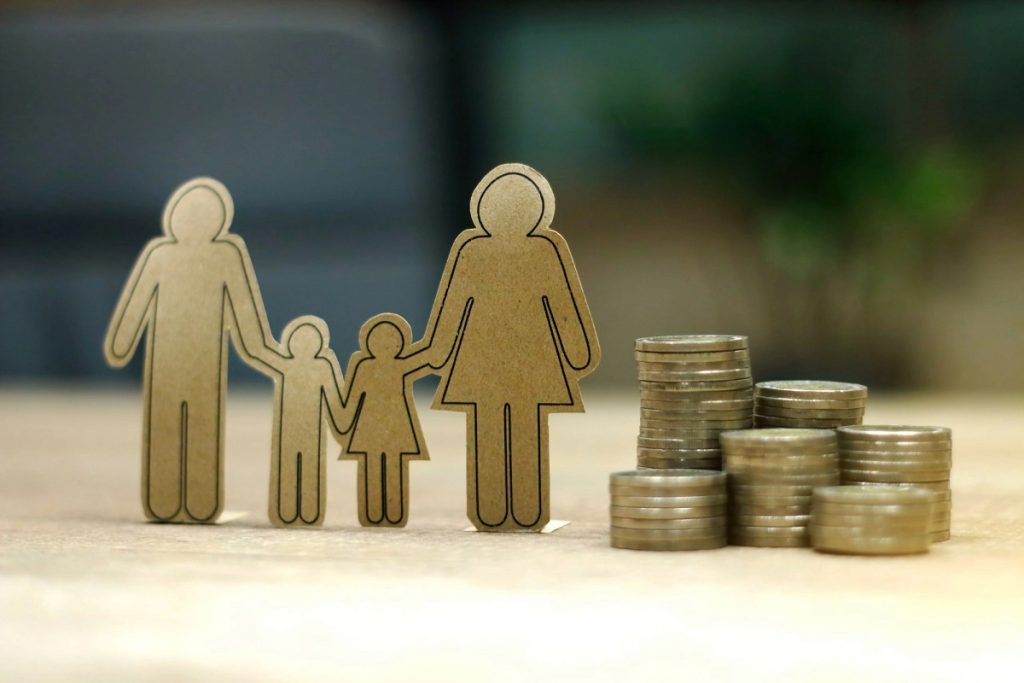
Childcare alone can rival a mortgage. Add in healthcare, education, and housing, and the cost of raising a child has become astronomical. For many, starting a family feels like an economic gamble. The dream of a full house is now being replaced by the reality of staying child-free, because survival trumps sentiment.
Related: 13 Ways Social Media Taught Us To Overspend On Everything
Mental Health is Collapsing Under Pressure

The pressure to succeed has taken a deep toll on mental health. Anxiety, depression, and burnout are now cultural norms. The grind has replaced genuine connection and inner peace. People are achieving more but feeling less fulfilled. The cost of “making it” may be our collective well-being.
Want budgeting tips that actually work with a toddler on your hip? This is for you.
The Rich get Richer while the Dream Shrinks

Wealth inequality is exploding. As billionaires grow richer, the middle class shrinks and the working class struggles. The game feels rigged. The idea that hard work guarantees success no longer holds water in a world where inheritance and access matter more than effort.
Related: 12 Reasons Why Gen X May Never Retire Like They Planned To
The Dream is Geographically Inaccessible

In cities where opportunity is greatest, so is the cost of living. Many Americans are priced out of jobs and communities they want to be part of. They’re forced to choose between a fulfilling career and affordable housing. The dream now comes with a cruel trade-off: purpose or practicality, but rarely both.
Related: These 12 Money-Saving Habits Can Turn Spare Change Into Serious Gain
It no Longer Belongs to Everyone

For many immigrants, people of color, and marginalized groups, the American Dream has always been unevenly distributed. Now, even those who once promised its rewards are struggling. Inequality is built into the system, and upward mobility is no longer a given. The dream hasn’t just faded, it’s been rebranded for the few, not the many.
Related: These 12 Places Still Give You Discounts Just for Using Cash
The American Dream once symbolized hope, freedom, and prosperity. Today, it often feels like a high-stakes illusion, designed to keep people working harder for less. That doesn’t mean hope is lost, but the definition of success needs to evolve. True prosperity shouldn’t come at the cost of your health, time, or sanity. Maybe it’s time to rewrite the dream, not as something you chase, but something you live on your terms.
Disclaimer: This list is solely the author’s opinion based on research and publicly available information.
How Swiping Your Card Numbs Your Brain To Spending Money

Using a credit or debit card to make purchases may seem convenient, but it also has a surprising effect on your brain; it makes spending money less painful. This phenomenon is rooted in what is known as “payment decoupling,” the idea that when we don’t physically part with cash, our brains do not fully register the transaction as a loss. Here is how and why
Read it here: How Swiping Your Card Numbs Your Brain To Spending Money
Why Everyone Has A Side Hustle But No Free Time Left

We glorify the grind. Side hustles are everywhere, from Etsy shops to late night rideshares, but so is burnout. The hustle culture sold us on dreams of passive income and financial freedom, yet most people are more exhausted than ever. As wages stagnate and costs rise, side gigs seem the only option. But instead of buying time, they’re devouring it.
Read it here: Why Everyone Has A Side Hustle But No Free Time Left
12 Ways Tipping Culture Is Driving Up Your Daily Costs

Tipping used to be a gesture of gratitude, but now it’s become an expectation almost everywhere you go. From your morning coffee to a simple self-checkout transaction, prompts to tip 15%, 20%, or even 30% are everywhere. As digital payment systems make it easier to ask for tips, many Americans feel pressure to tip in places they never did before.
Read it here: 12 Ways Tipping Culture Is Driving Up Your Daily Costs
You’ll love these related posts:


