12 Best Allowance Apps For Kids In 2025
Teaching kids about money in 2025 has evolved beyond piggy banks and chore charts. In today’s digital first world, allowance apps are the new financial training wheels, offering interactive tools to teach budgeting, saving, and responsible spending. These apps empower kids to manage their money while giving parents control, oversight, and peace of mind.
Greenlight

Greenlight remains the gold standard in kid focused money management apps. With a prepaid debit card, kids can spend responsibly while parents oversee every transaction. Customizable spending limits, real time alerts, and automatic allowance deposits keep things organized. It even has savings goals and investment tools to grow their knowledge.
GoHenry

GoHenry blends learning with real world spending via prepaid debit cards and in-app lessons. Kids complete tasks, earn allowance, and set savings goals, all while building money confidence. The app encourages giving, too, allowing kids to donate to charities. Its sleek interface, parental controls, and strong educational features make it a top choice for families who want structured financial literacy.
Related: What Your Crypto Portfolio Might Secretly Say About Your Finances
BusyKid

BusyKid turns chores into paydays. Kids earn real money for tasks and learn to budget, save, donate, and invest. It even allows purchasing fractional shares of stock, yes, even for kids! Parents can automate payments and track progress, while children see their earnings grow in real time. For families who value hustle, BusyKid is a smart, hands-on approach.
Related: How Gen Z Is Turning TikTok Into A Crash Course On Investing
FamZoo

FamZoo is a family bank disguised as an app. It lets parents be the “bankers” and kids the “customers,” teaching them interest, loans, and budgeting basics. It supports IOUs, prepaid cards, and even sibling payments. With detailed logs and teaching tools, it’s ideal for older kids or parents who want full customization over their child’s financial education.
Related: 12 Surprising Truths About Money And Modern Love
Step

Step is a no-fee banking app that gives teens a real bank account and a secured spending card. Kids can build credit safely while managing money through an intuitive app. No overdrafts, no hidden fees, and parental transfers are instant. It’s especially useful for older kids or young adults preparing for the real financial world, with grown-up tools and kid-safe rails.
Related: 12 Things That Happen When You Spend Like You Are Already Rich
Tired of money feeling messy? Get clear, simple tips for managing your family’s finances, straight to your inbox. Sign Up Here
Jassby
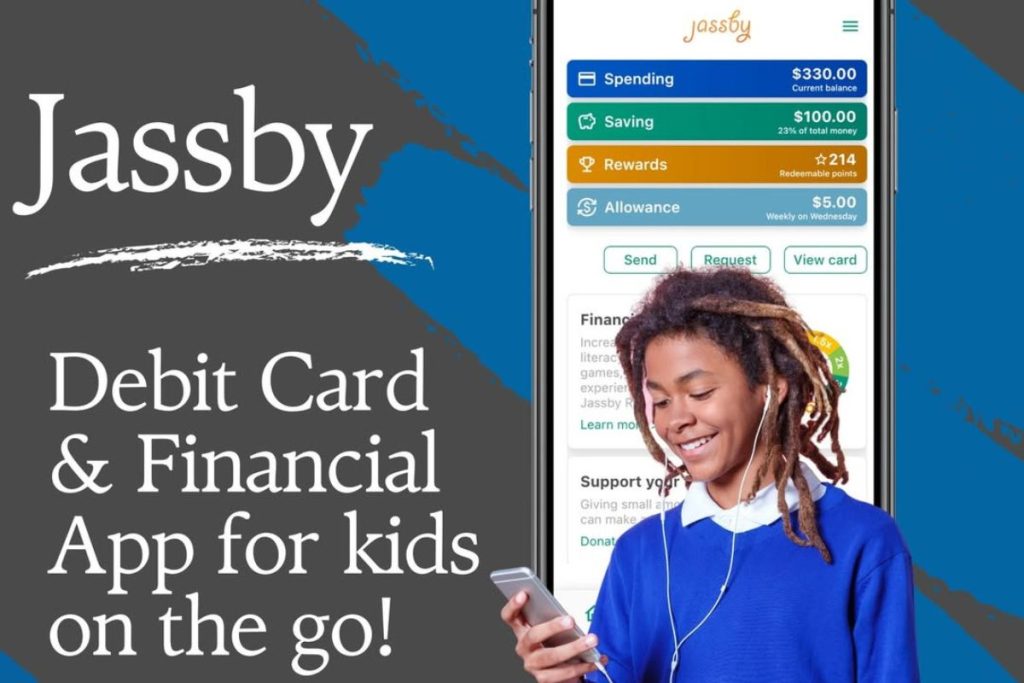
Jassby offers a digital wallet tailored for families. Parents assign chores, pay allowances, and monitor spending, while kids learn financial responsibility through a safe digital environment. It bridges the gap between teaching and practice with features like contactless payments and savings goals. It’s a great choice for tech savvy families who want flexibility and structure in one.
Related: 13 Things Your Budget Cuts Reveal About Your Values
Mazoola

Mazoola stands out as a COPPA-compliant digital wallet, putting privacy and security first. Kids don’t need a debit card; they can use their smartphone to make contactless payments. Parents approve vendors and set limits, while kids get freedom within a structure. It’s ideal for younger children just starting with money and tech.
Current Teen Banking
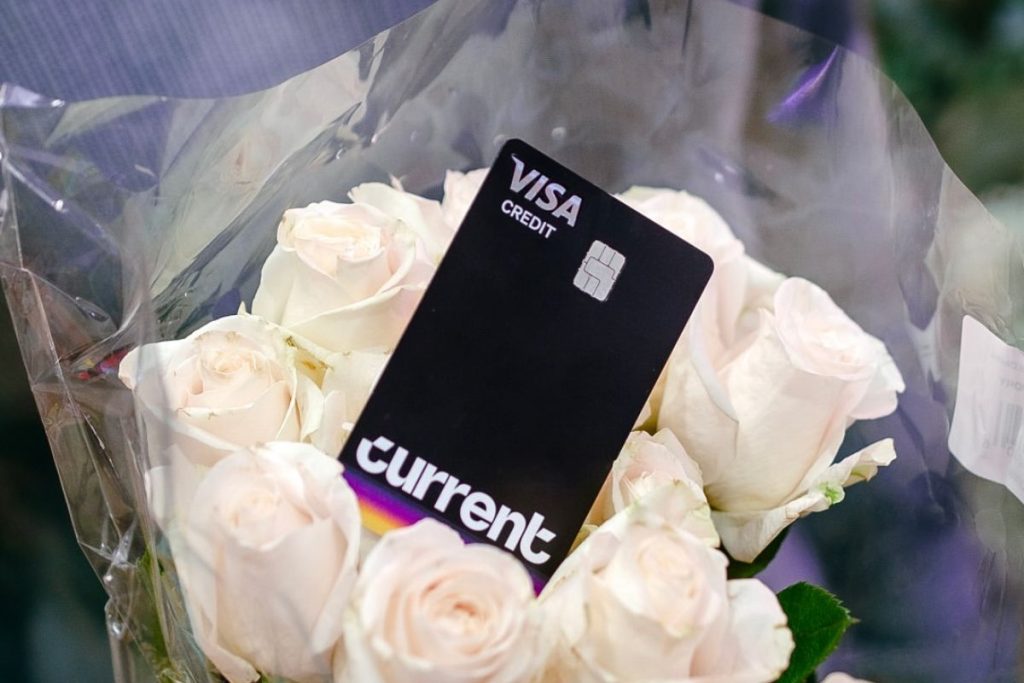
Current is geared toward teens ready to take their spending seriously. With a real checking account, spending insights, instant transfers, and even gas station discounts, it’s a solid step toward financial adulthood. Teens get more autonomy while parents stay in the loop through alerts and balance limits. It’s ideal for families easing into full financial independence.
Related: 12 Ways Sanity And Savings Can Finally Coexist
Revolut

Revolut’s junior offering brings global banking features to kids. With international currency support, savings vaults, and parental oversight, it’s great for families who travel or want global access. Kids learn budgeting through hands-on experience, while parents monitor and guide. The sleek app and real time notifications make it both functional and fun.
Related: 12 Things Remote Workers Are Really Doing With Their Savings
Gimi

Gimi is all about gamifying financial literacy. Kids earn virtual coins for chores, track their goals, and get rewarded with fun visuals and badges. Though it doesn’t include a debit card in the US yet, it’s an excellent starter tool to build strong money habits before real world spending starts. Ideal for younger kids learning the basics in a fun, low-risk environment.
Want budgeting tips that actually work with a toddler on your hip? This is for you.
RoosterMoney
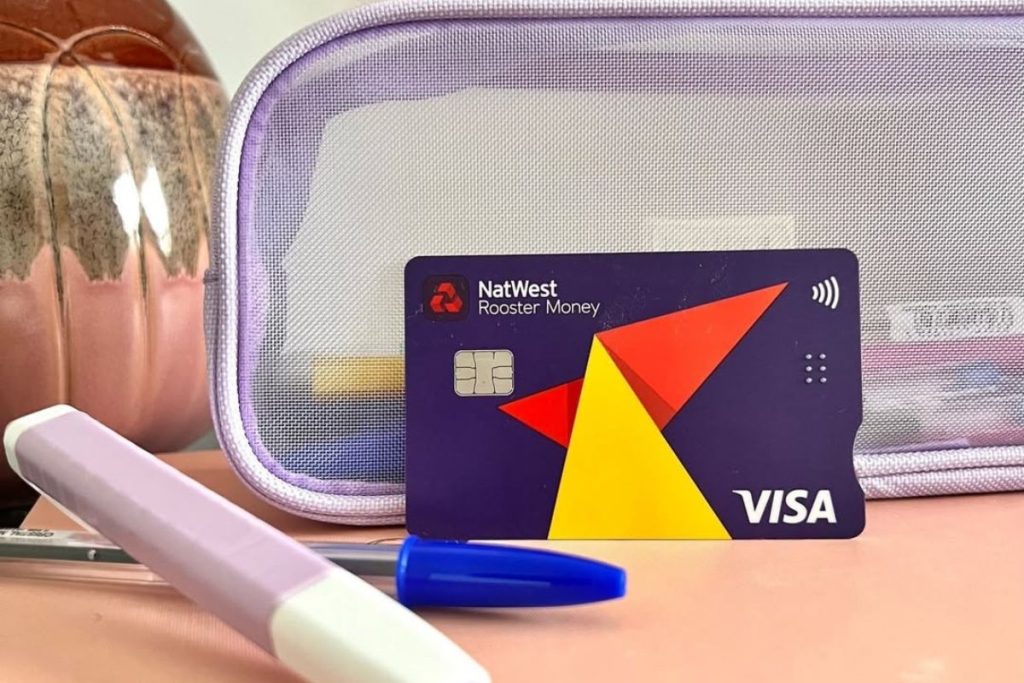
RoosterMoney simplifies the concept of allowance through digital tracking and visual savings goals. It offers a virtual tracker for families using cash and prepaid card upgrades. The interface is intuitive and kid-friendly, and parents love the chore tracking features. It gently introduces budgeting without overwhelming kids with financial jargon.
Related: 12 Reasons Why Some Americans Are Walking Away From Banks Completely
Till

Till is designed to grow with your child’s financial needs. It starts with savings goals and earning tasks, and graduates to spending with a real debit card. Its “Spend-Save-Give” philosophy makes it great for holistic money education. With parental controls and user friendly navigation, it balances empowerment with protection beautifully.
Related: What Your Relationship Style Says About Your Financial Future
Raising financially literate kids in 2025 starts with the tools that speak their language, and these allowance apps do that. From hands-on chore tracking to debit card experiences and investment options, today’s apps turn everyday money moments into teachable opportunities. They don’t just help parents manage allowances, they help kids understand the “why” behind the money.
Disclaimer: This list is solely the author’s opinion based on research and publicly available information.
13 Viral Finance Trends Everyone Loves To Hate

In 2025, personal finance has become a blend of social media challenges, AI-driven tools, and buzzwords that often leave us rolling our eyes. While some trends aim to empower, others feel more like digital déjà vu. Here is a roundup of the most talked about and mocked money movements this year.
Read it here: 13 Viral Finance Trends Everyone Loves To Hate
12 Biggest Money Regrets Married Couples Admit To

Marriage is a beautiful journey, but managing finances together can sometimes turn that journey into a bumpy road. Honest conversations and thoughtful planning could have prevented many of these regrets. Here are the 12 most common financial regrets that married couples wish they had handled differently.
Read it here: 12 Biggest Money Regrets Married Couples Admit To
12 Shocking Things Tracked In 30 Days Of Spending

Ever looked at your bank statement and felt like you were reading someone else’s life? A 30-day spending track has a way of revealing the truth, uncensored, unfiltered, and often unsettling. It is not just about the dollars; it is about the daily decisions, the habits you did not know you had, and the emotional rollercoaster money quietly fuels.
Read it here: 12 Shocking Things Tracked In 30 Days Of Spending
You’ll love these related posts:


