The Generational Divide Over What Debt Really Means
In America today, debt means very different things depending on when you were born. For some, it’s a symbol of progress; for others, it’s a warning sign. From home mortgages to student loans, what was once seen as a path to stability now feels like a trap to many. The divide isn’t just about money, it’s about trust, values, and what success truly looks like in a shifting world.
Boomers Saw Debt as a Rite of Passage
For Baby Boomers, debt meant moving forward, into homes, careers, and retirement dreams. They embraced long-term loans with confidence, trusting steady jobs and rising home values. Debt was normal, necessary, and often rewarding in the long run. It wasn’t feared; it was part of growing up.
Gen X Balanced Ambition with Uncertainty

Gen X took on debt during economic instability, balancing optimism with caution. They followed the Boomers’ blueprint, but with higher interest rates and fewer safety nets. Many were hit by the dot-com bust or the 2008 crash mid-career. Debt became more stressful, but still seen as a tool worth using.
Related: 12 Money Red Flags Relationship Experts Say To Never Ignore
Millennials Inherited a Different Economic Reality
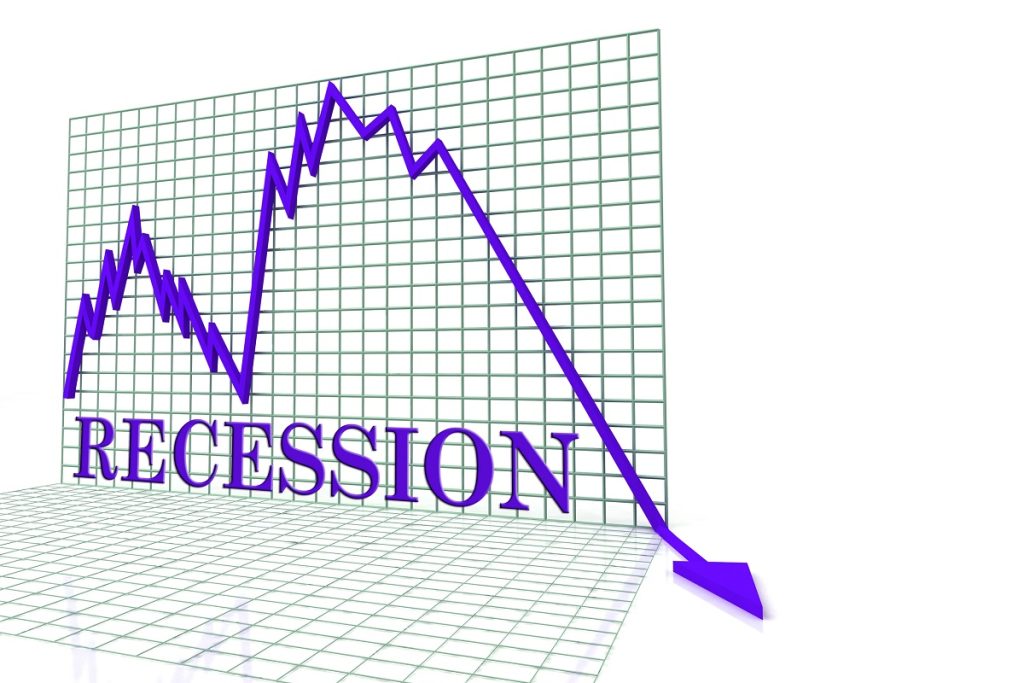
Millennials graduated into recessions, record tuition, and a weak job market. For them, debt wasn’t a bridge, it was a burden from the start. Their student loans often outpaced salaries, making major life milestones harder to reach. Unlike Boomers, they view debt with skepticism, not faith.
Related: The Weekly Money Routine High Earners Never Skip
Gen Z Wants Freedom Over Financing

Gen Z is watching older generations struggle and choosing a different path. They’re wary of loans and less likely to view debt as inevitable. Many are leaning into entrepreneurship, gig work, and trade schools to avoid borrowing altogether. Their financial identity is rooted in flexibility, not obligation.
Related: What Money Experts Are Doing Differently In 2025
Trust in Financial Systems is Cracking
Where Boomers trusted banks and institutions, younger Americans question their motives. Faith has faded after the mortgage crisis, rising credit card interest, and student loan drama. Millennials and Gen Z often feel the system isn’t built for them, it’s built to profit from them. That distrust shapes how they approach debt.
Related: 12 Reasons DIY Investing Is Exploding Right Now
Tired of money feeling messy? Get clear, simple tips for managing your family’s finances, straight to your inbox. Sign Up Here
Homeownership is no Longer the Dream for all

Older generations saw a home as a sign of success, even if it came with 30 years of debt. But younger Americans face high prices, limited inventory, and stagnant wages. For many, renting feels smarter and debt-free. The idea of “forever homes” is being replaced by “freedom homes.”
Related: How Financial Anxiety Is Quietly Stealing Your Paycheck
Student Loans Reshaped an Entire Generation

Boomers could pay off college with a summer job; today’s grads can’t even cover books. Student debt has delayed marriages, families, and savings for millions of Millennials. It’s not just about numbers, it’s about how debt limits choices. This crisis has redefined how younger generations view borrowing.
Financial Independence Now Means Debt-Avoidance
For older generations, having credit was a badge of honor. But for Millennials and Gen Z, financial success often means being debt-free. They prioritize budgeting apps, financial literacy, and side hustles over big loans. Independence isn’t about spending more, it’s about owing less.
Related: 12 Reasons More Americans Are Choosing To Rent Forever
Career Certainty Has all but Vanished

Boomers and Gen X often had stable jobs that justified taking on long-term debt. But the gig economy, automation, and layoffs have made job security feel like a myth. Younger workers are hesitant to take on debt when their income could disappear overnight. That instability fuels a more cautious financial mindset.
Related: 12 Things The Wealthy Are Buying Instead Of Stocks
Mental Health is Part of the Equation Now

Today’s generations are far more vocal about the emotional toll of debt. Constant stress, anxiety, and burnout often trace back to financial pressure. Boomers may have seen debt as numbers on paper, but younger people see it as a weight on their well-being. Debt is no longer just financial, it’s personal.
Want budgeting tips that actually work with a toddler on your hip? This is for you.
Credit Isn’t Cool Anymore — Cash is

Whereas Boomers and Gen X relied heavily on credit cards, today’s younger consumers embrace debit and buy now, pay later cautiously. The flashy rewards and airline points aren’t as attractive when interest compounds quickly. Gen Z would rather pay upfront than deal with long-term strings.
Related: 12 Underrated Saving Tricks Money Planners Swear By
Values Are Shifting — and so is the American Dream

Older generations believed in working hard, borrowing smart, and retiring with comfort. But for younger Americans, values are shifting toward freedom, experiences, and balance. They’re not chasing debt-fueled dreams, they’re creating new ones, grounded in choice and control. The Dream hasn’t died, it’s just evolved.
Related: 12 Expenses To Cut That You’ll Never Even Miss
Debt used to mean opportunity, growth, and achievement. It feels more like pressure, limitation, and risk for millions today. As generations clash over what debt means, one thing is clear: our relationship with money is changing, and so is the story we tell ourselves about what’s worth borrowing.
Disclaimer: This list is solely the author’s opinion based on research and publicly available information.
The Investing Risks Millennials Were Never Warned About

Millennials were told to invest early, diversify wisely, and ride out the market waves, but no one warned them. Beneath the surface of robo-advisors, crypto apps, and FIRE dreams lies a risk uniquely wired into their generational reality. It is not just about volatility or inflation. It is psychological. It is systemic, and it is quietly sabotaging even the savviest investors.
Read it here: 12 Expenses To Cut That You’ll Never Even Miss
12 Ways No-Spend Challenges Are Backfiring

No spend challenges have become a go to method for saving money fast, especially when trying to reset your budget. While the idea sounds empowering, cutting unnecessary expenses and embracing minimalism, it does not always work out as planned. Many people feel deprived, frustrated, or even spending more once the challenge ends. Let us unpack 12 ways these well meaning challenges might be backfiring and how to pivot for lasting financial wellness.
Read it here: 12 Ways No-Spend Challenges Are Backfiring
The Money Methods That Are Helping People Save Again.

In 2025, as economic uncertainties and rising living costs continue to challenge individuals, adopting effective money saving strategies has become more crucial than ever. Many seek practical methods to regain control over their finances and build a secure financial future.
Read it here: The Money Methods That Are Helping People Save Again.
You’ll love these related posts:


