14 Wild Money Rituals From Around The Globe You’ve Never Heard Of
Money is not just about numbers, it is deeply entwined with culture, belief and tradition. Across the globe, communities have developed unique rituals to attract wealth, ward off poverty and honor financial customs. Here are 14 fascinating money related practices that showcase the diverse ways people engage with prosperity.
Sou-Sou Savings Clubs – West Africa & the Caribbean

Originating in pre-colonial Nigeria, the sou-sou is a communal savings system where members contribute a fixed amount regularly and each member takes turns receiving the collective sum. Beyond financial benefits, it fosters community trust and mutual support.
Molybdomancy – Germany, Turkey & the Balkans
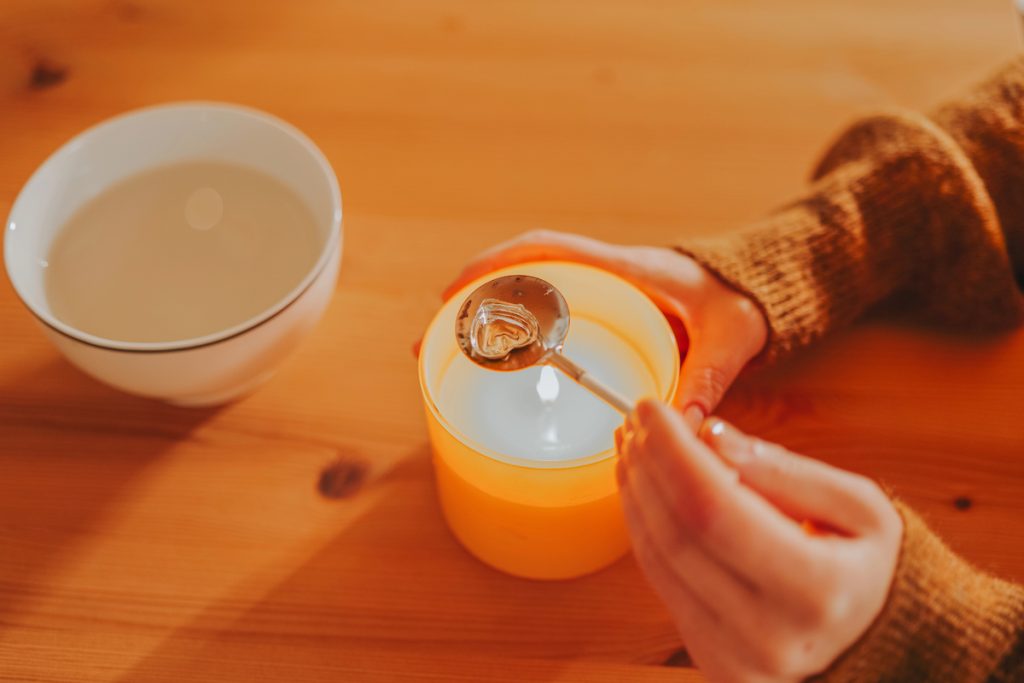
On New Year’s Eve, molten lead or tin is poured into water and the resulting shapes are interpreted to predict financial fortunes for the coming year. This tradition, known as molybdomancy is practiced in various European countries.
Hammering Coins into Trees – United Kingdom

In parts of the UK, people hammer coins into tree trunks, believing it brings good luck and prosperity. These “wishing trees” are thought to absorb illness or misfortune, transferring it away from the individual.
Origami Frogs in Wallets – Japan

Japanese tradition holds that placing an origami frog in one’s wallet ensures money returns to the owner. The word for frog, “kaeru” is a homonym for “return” symbolizing the return of wealth.
Fish Scales for Prosperity – Czech Republic
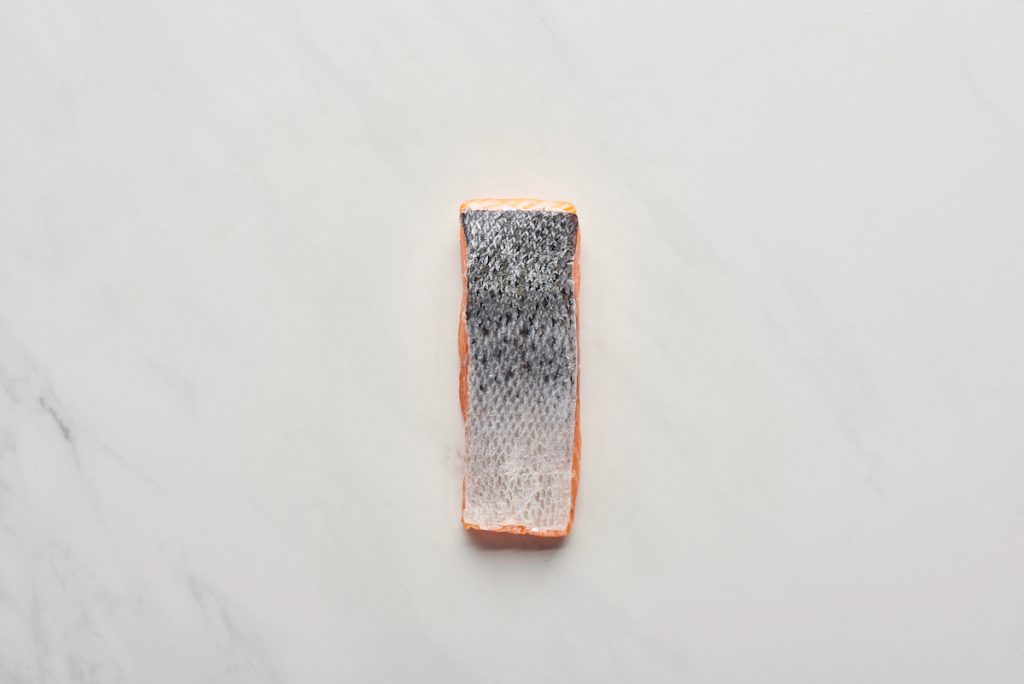
Czechs believe that carrying fish scales, especially from Christmas carp, in wallets brings financial success. The shiny scales resemble coins, symbolizing wealth.
Survakane Ritual – Bulgaria
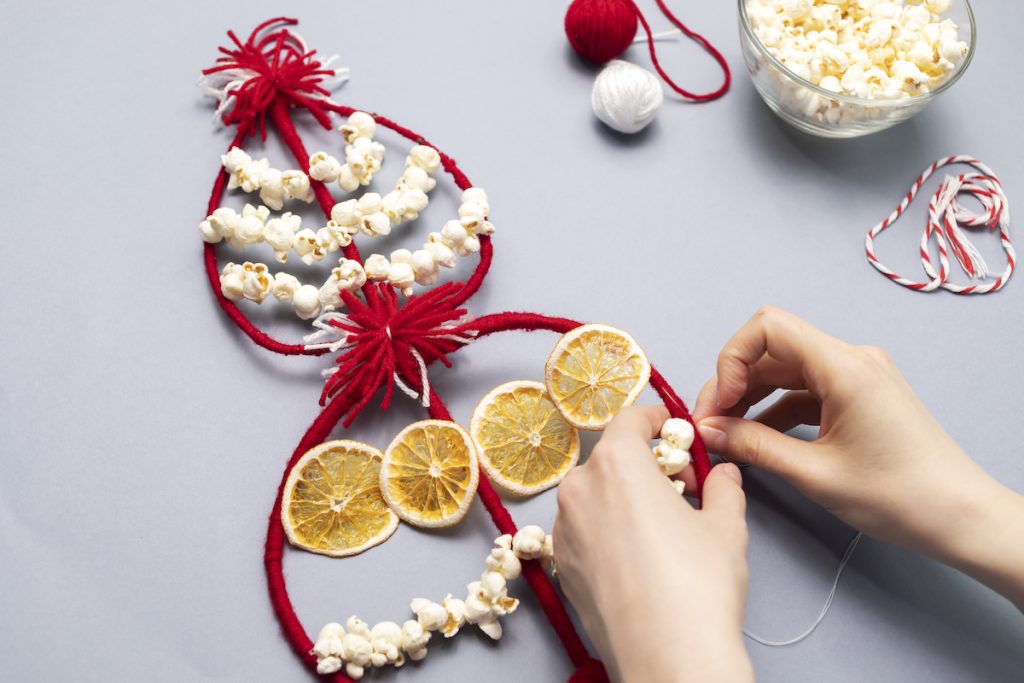
On New Year’s Day, Bulgarian children perform the Survakane ritual, gently tapping elders with decorated cornel branches called “survachka” while reciting blessings for health and wealth. In return, they receive coins or treats.
Hell Money Offerings – China
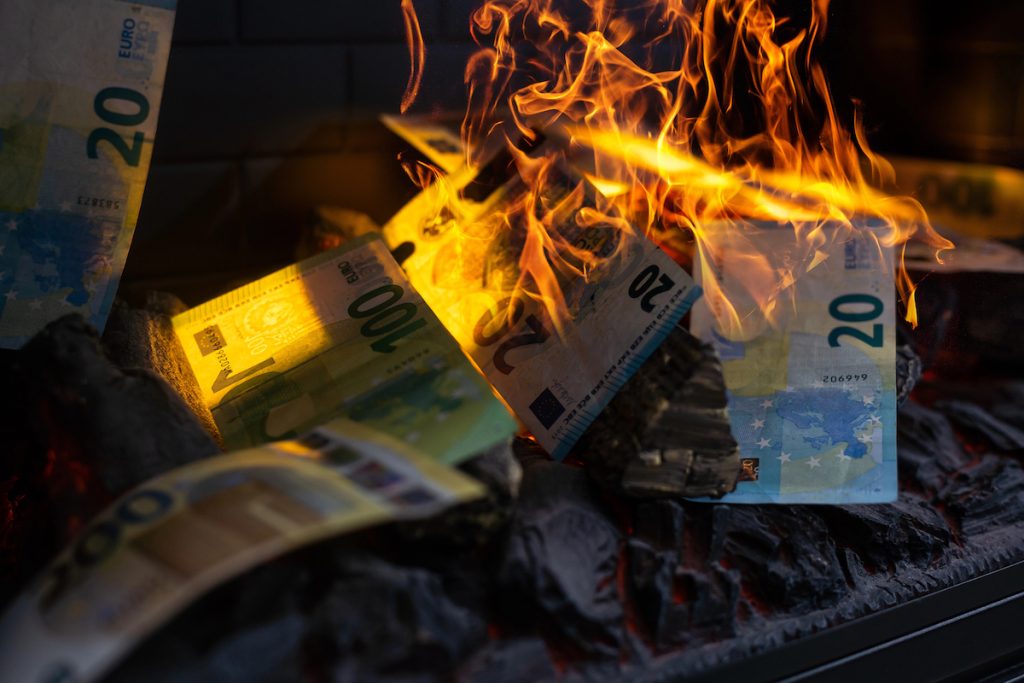
In Chinese tradition, “hell money” is burned as an offering to deceased ancestors, ensuring they have financial means in the afterlife. This practice reflects respect and the desire for ancestral blessings.
12 Grapes at Midnight – Spain & Latin America

At the stroke of midnight on New Year’s Eve, it is customary to eat 12 grapes, one for each chime, symbolizing hopes for prosperity in each month of the coming year.
Money Dance at Weddings – Eastern Europe

In countries like Poland, Ukraine and Greece, guests pin money onto the bride’s dress during a special dance at weddings, contributing to the couple’s financial start together.
Whistling Indoors Brings Financial Loss – Russia & Baltic States

A superstition in Russia and neighboring countries warns that whistling indoors can lead to financial misfortune, as it is believed to “whistle away” wealth.
Kula Ring Exchange – Trobriand Islands
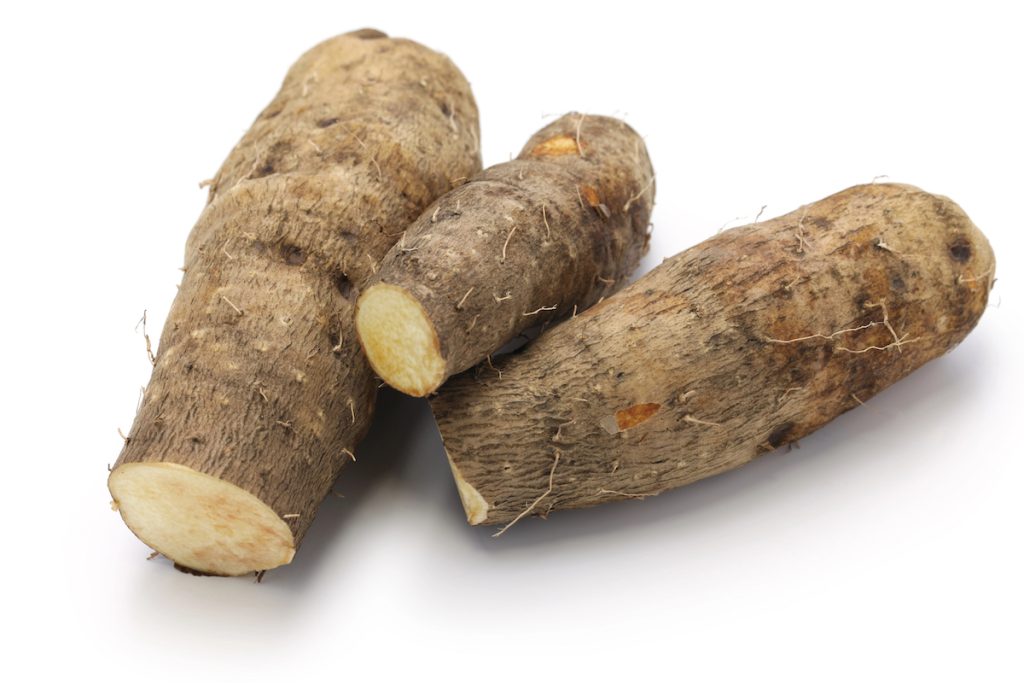
The Trobriand people engage in the Kula ring, a ceremonial exchange of shell necklaces and armbands, reinforcing social bonds and status. Yams also serve as a currency, symbolizing wealth and power.
Rai Stones as Currency – Micronesia
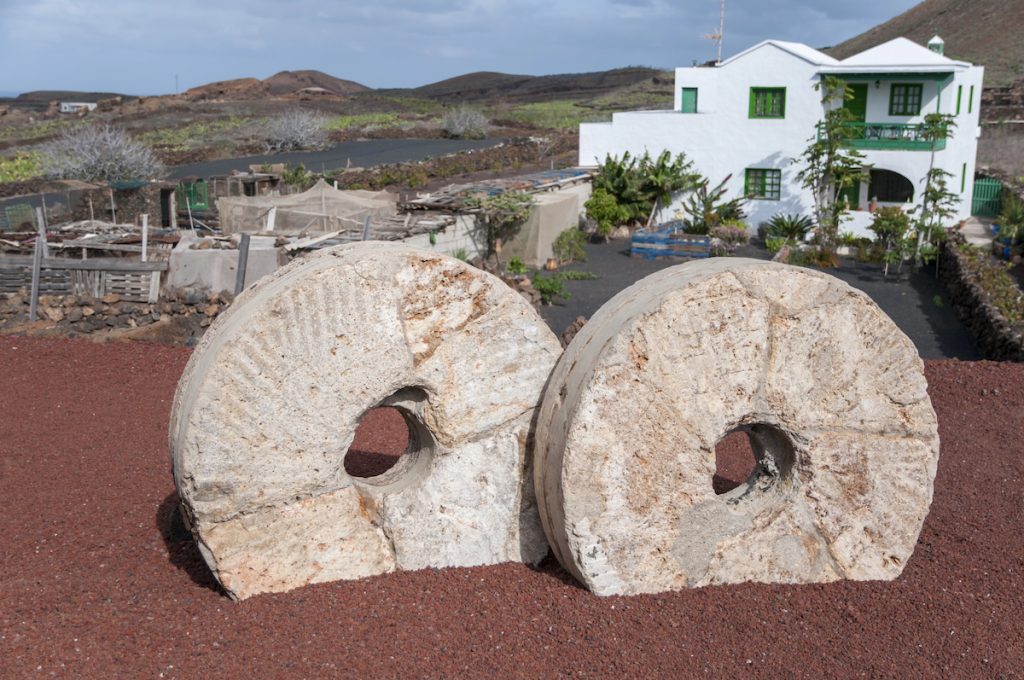
On the island of Yap, massive limestone discs called Rai stones are used as currency for significant transactions. Despite their size, ownership is transferred verbally, emphasizing trust and social agreement.
Throwing Coins into Rivers – India

In India, tossing coins into sacred rivers like the Ganges is a traditional offering to deities, seeking blessings and prosperity. Historically, the practice also had a practical aspect, as copper coins helped purify water.
Polka Dots for Prosperity – Philippines & France

Wearing polka dots on New Year’s Eve is believed to attract wealth in the Philippines and parts of France. The round shapes symbolize coins and abundance.
These diverse rituals highlight the universal human desire for financial well being and the rich tapestry of cultural expressions surrounding money. While some practices are rooted in superstition, others foster community and shared prosperity, offering valuable insights into the values and beliefs of different societies.
Disclaimer: This list is solely the author’s opinion based on research and publicly available information.


